This post was updated April 11 at 5:33 p.m.
California Urged to Boost Renewable Energy Investments for Affordability
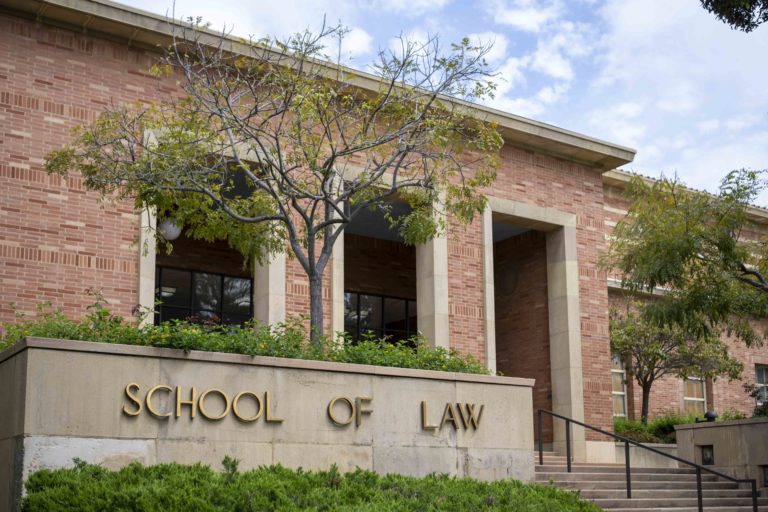
At a UCLA symposium held on April 3, experts and advocates came together to emphasize the need for California lawmakers to increase investment in renewable energy as a means to enhance affordability. The event, hosted by the UCLA School of Law, attracted nearly 200 attendees, including policymakers and environmental advocates.
Brennon Mendez, one of the event organizers, highlighted that affordability has become a primary concern for policymakers both in California and across the nation, particularly after the 2024 election. “It’s really dominated the public discourse and particularly in the environmental law space,” Mendez stated.
The symposium featured a keynote speech from John Reynolds, president of the California Public Utilities Commission, who discussed the ongoing energy crisis in the U.S. This crisis was exacerbated by the war in Iran, initiated by the United States and Israel on February 28, after months of unrest in Iran. The conflict has disrupted the Strait of Hormuz, a crucial route for nearly 20% of the world’s oil and gas supply. According to The New York Times, the U.S.’s energy index has risen by nearly 11%, with gasoline prices surging by 21%.
Reynolds argued that a transition to solar energy could help create a more robust economy that is less affected by global oil supply fluctuations. “We’re in a world now where rates are very high, and bills are increasingly high,” he said.
In California, energy prices have soared due to factors such as wildfires damaging electrical infrastructure and the costs incurred by individuals not using solar panels. William Boyd, co-director of the Emmett Institute on Climate Change & the Environment at UCLA, explained that California’s reliance on a vertically integrated, cost-of-service model contributes to rising electricity prices. This model involves a single utility company controlling all assets necessary for electricity generation and distribution, contrasting with a competitive, deregulated market.
“Is there a model that can deliver investment and affordability at the same time, simultaneously?” Boyd questioned, as he emphasized the shift towards different cost structures for electricity generation technologies.
Abre’ Conner from the NAACP’s Center for Environmental and Climate Justice pointed out that the federal government’s rollback of investments in renewable energy and the construction of AI data centers have heightened energy affordability concerns. She criticized the Trump administration’s moves to expand data centers and fossil fuel dependency, as well as the reversal of EPA regulations and cessation of clean energy project funding since January 2025.
“It’s very clear that climate policies are under threat nationally, under threat very explicitly from the Trump administration,” said Cara Horowitz, executive director of the Emmett Institute and event moderator. She urged California to continue setting an example for other areas aiming for progress in sustainability.
David Spence, a panelist from the University of Texas at Austin, expressed his hope that attendees would recognize the challenges of transitioning to clean energy and be inspired to pursue careers in the field. “I know the most satisfying thing about my career is watching my students go into the energy world and then hearing from them 10 or 20 years later,” Spence reflected.
High school junior Armaan Diwan attended the symposium due to his passion for sustainability, appreciating the panelists’ enthusiasm and insights on climate change strategies. Additionally, Jennifer Ganata, a panelist and UCLA alum, emphasized the need to consider social disparities in sustainability policy-making.
Attendee Sarah Hernandez valued the discussions on how community organizations, beyond just lawmakers, can drive change. “I really appreciated having somebody that represents community organizations,” she said, noting that diverse perspectives contribute to a comprehensive understanding of the issues.
Original Story at dailybruin.com