Electric Vehicles Face Steep Depreciation, But There’s Hope
In the world of car ownership, depreciation is an often overlooked but significant cost. While many buyers focus on payments, insurance, and maintenance, the true hit comes when it’s time to sell. This is especially true for electric vehicles (EVs), which, according to a new study by iSeeCars, depreciate faster than their gasoline and hybrid counterparts.
Recent findings reveal that the average five-year-old EV loses about 57.2% of its value. This rate far exceeds the industry average depreciation of 41.8% over the same period, and is even greater than the 35.4% depreciation for hybrids. Notably, electric models dominate the list of the top ten fastest depreciating cars, while none make it to the list of 25 models with the lowest depreciation.
Volkswagen ID.4 models, for instance, have seen a significant drop, with five-year-old versions losing 62.1% of their value. This pattern is not unique to Volkswagen, as other early EV models also experience rapid depreciation.
However, the trajectory of hybrids offers a promising forecast for EVs. Once depreciating faster than the market, hybrids now boast the lowest depreciation rates among powertrains. In 2019, hybrid depreciation peaked at 56.7%, a figure only slightly better than current EV depreciation rates. As consumer familiarity with hybrid technology increased, so did its market acceptance and value retention.
This trend suggests a natural lifecycle for new technologies. Early adopters often face rapid depreciation as technology rapidly improves and becomes more widely accepted. Yet, as these technologies mature, depreciation rates tend to stabilize. The hybrid market’s evolution exemplifies this trend, with older models initially depreciating quickly due to limited technology and market reception.
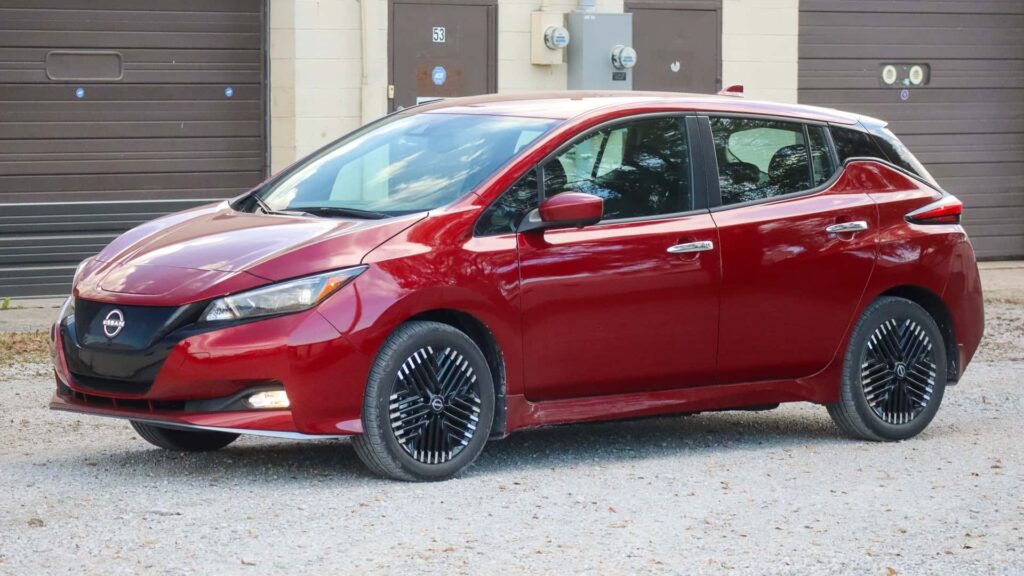
The EV sector is currently experiencing similar growing pains. A five-year-old EV from 2021, such as the Nissan Leaf, which loses 63.1% of its value, exemplifies this. These models often feature outdated technology, limited range, and less compatible charging options, all of which contribute to their depreciation.
Other EV models available in 2021, like the Hyundai Ioniq 5, Tesla Model Y, and Ford Mustang Mach-E, have seen significant improvements and price adjustments, further impacting the used EV market. Additionally, the availability of ultra-cheap lease deals, spurred by federal tax credits, has led to an oversupply of used EVs, driving prices down.
Despite these challenges, there is no indication of a long-term consumer aversion to used EVs. Many buyers remain wary of battery longevity and prefer the latest models, but as EVs continue to prove their durability and cost-effectiveness, their long-term value is expected to improve. In the meantime, savvy buyers can take advantage of excellent deals on used EVs. Explore your best options here.
Contact the author: Mack.Hogan@InsideEVs.com
Original Story at insideevs.com