Stellantis and Leapmotor Eye Canadian EV Production Amid New Trade Dynamics
In a shifting landscape for the global auto industry, Stellantis NV is exploring the possibility of manufacturing electric vehicles in Canada in partnership with Zhejiang Leapmotor Technology Co., its Chinese collaborator. This discussion, although in nascent stages, reflects the evolving trade dynamics following Canada’s recent moves to attract automotive investments from China.
Sources familiar with the matter disclosed that these discussions could lead to a significant Chinese automotive investment in Canada. This development follows a January agreement between Canadian Prime Minister Mark Carney and President Xi Jinping to reduce tariffs on Chinese electric vehicles (EVs). Carney’s administration aims to foster joint-venture investments in Canada’s auto sector within a three-year timeframe.
The potential for Chinese-led production in Canada highlights the broader impact of U.S. tariffs under President Donald Trump on foreign cars, which have disrupted North American auto integration and financially burdened automakers. Concerns have been raised in the U.S. administration about the possibility of Canada becoming an indirect channel for Chinese vehicles into the U.S., leading to threats of steep tariffs on Canadian exports.
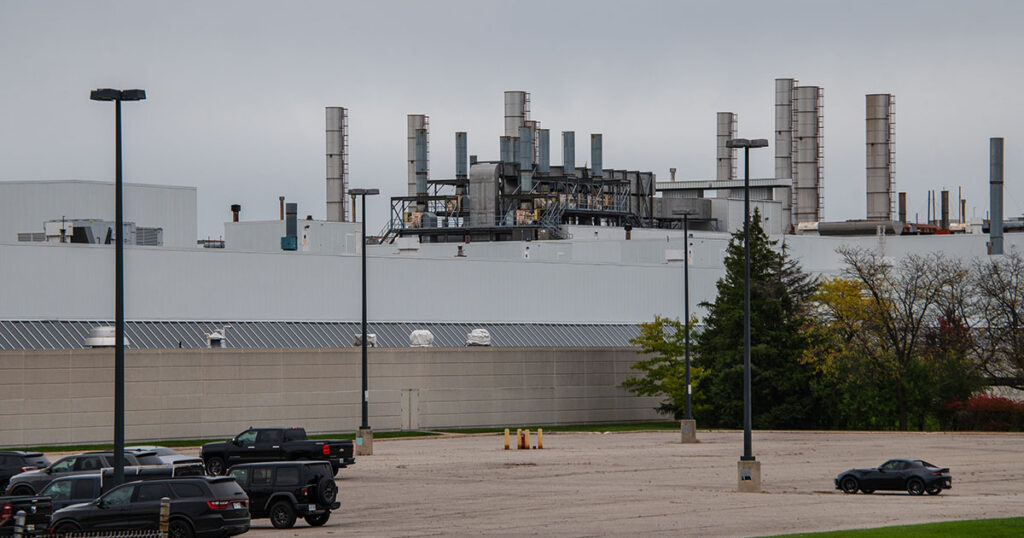
The Canadian discussions are centered on a dormant Stellantis assembly facility in Brampton, Ontario. The plant, which once promised new Jeep model production, has seen worker layoffs since Stellantis redirected production to a U.S. factory following tariff announcements, prompting backlash from Carney’s government.
Stellantis, which acquired a 20% stake in Leapmotor in 2023, formed Leapmotor International a year later to focus on global EV production. This joint venture plans to begin manufacturing Leapmotor electric SUVs in Spain, supported by a battery factory developed with Contemporary Amperex Technology Co. Additional production sites in Brazil and Malaysia are planned, initially utilizing knockdown kits from China for assembly.
While the Canadian project details remain uncertain, discussions involve Industry Minister Melanie Joly. Flavio Volpe of Canada’s Automotive Parts Manufacturers’ Association emphasized the importance of full vehicle assembly with local suppliers, noting, “Chinese knockdown kits may be fine for Brazil, but they aren’t for the hundreds of Canadian auto parts suppliers who are waiting for that plant to reopen.”
Stellantis spokesperson LouAnn Gosselin stated, “Stellantis remains focused on a strong Canadian footprint and is actively evaluating future programs for Brampton, with the objective to ensure that any investment decision is sustainable and a long-term commitment that supports workers and suppliers.”
However, U.S. regulations could complicate cross-border trade of vehicles with Chinese technology. U.S. Ambassador to Canada Pete Hoekstra indicated that while Chinese EVs might enter Canada under reduced tariffs, they could face strict barriers at U.S. borders. Hoekstra remarked, “Those cars can come in from China, come into Canada, but they’re not going to cross the border into the U.S.”
As the situation develops, the Canadian government faces the challenge of balancing investment opportunities with potential trade repercussions and the interests of local workers and suppliers.
Original Story at www.ttnews.com