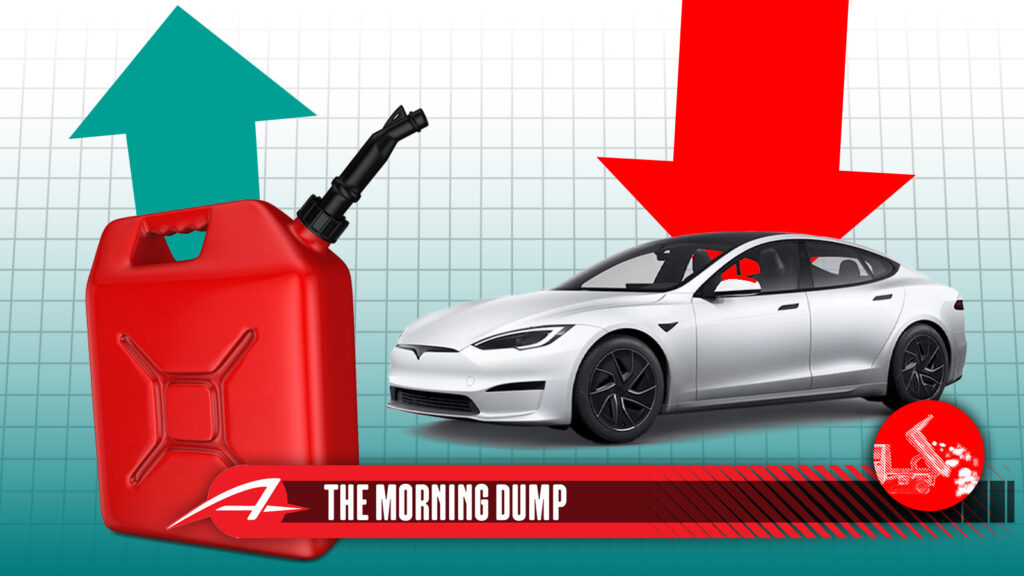
As gas prices teeter around the $4.00 mark, the electric vehicle (EV) market grapples with maintaining its foothold. Despite increasing fuel costs, a significant shift toward electric cars remains elusive, as recent data indicates. While some automakers are adjusting strategies, others anticipate potential gains in the fluctuating market.
Gas Prices and Electric Vehicle Market Dynamics
Recent trends show a gradual rise in gas prices, reaching $4.00 per gallon—a first since the summer of 2022—largely attributed to ongoing geopolitical tensions in the Middle East. Yet, this increase has not significantly boosted the appeal of electric vehicles among consumers. According to GasBuddy.com, the national average gas price has seen fluctuations, but consistently high prices are necessary to drive a substantial shift toward EVs.
In March, the market share for electric vehicles stood at a mere 5.2%, as reported by S&P Global Mobility, marking a decline from previous highs. The EV sector faces challenges, especially following the expiration of tax credits that previously incentivized purchases. Meanwhile, hybrid vehicles continue to attract consumer interest, potentially overshadowing the EV market’s growth.
Automaker Responses to Market Trends
General Motors (GM) has temporarily halted operations at its Factory Zero plant, laying off 1,300 workers due to lower-than-expected demand for its electric models like the Hummer EV. A spokesperson stated, “Factory ZERO will temporarily adjust production to align EV production with market demand,” highlighting the challenges faced by high-end electric vehicles.
Conversely, Volvo is intensifying its partnership with Polestar, focusing on U.S. production to mitigate high tariffs on Chinese-made vehicles. This strategic move aims to boost Polestar’s presence in the American market, with plans to shift some manufacturing to Slovakia.
BYD’s Strategic Expansion
In contrast, BYD is capitalizing on the current market dynamics by ramping up exports. As reported by Nikkei Asia, the company aims to increase its overseas sales target to 1.5 million cars, leveraging high oil prices to expand in markets like Australia and the Philippines. BYD’s chairman emphasized the potential for growth amidst rising fuel costs, positioning the company as a formidable player in the global EV landscape.
Industry Speculations
Amidst these developments, consumers and industry experts alike ponder the threshold at which gas prices will significantly boost EV adoption. The question remains: at what price point and duration will electric vehicles capture a larger market share, potentially exceeding 10%?
Original Story at www.theautopian.com