This story was originally published by Grist. Sign up for Grist’s weekly newsletter here.
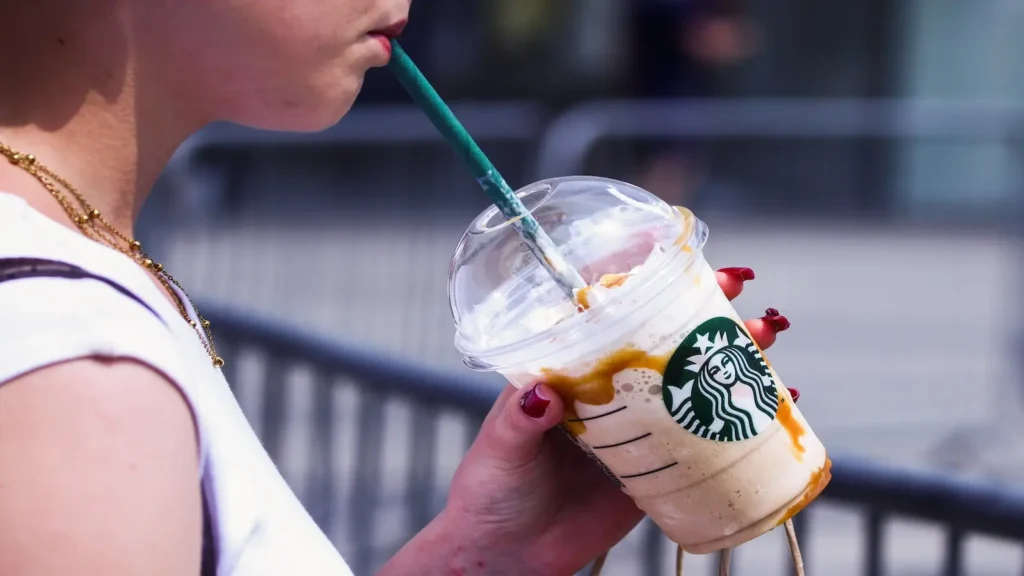
Starbucks announced that its plastic to-go cups are now “widely recyclable.” The update came from Starbucks, WM (formerly Waste Management), The Recycling Partnership, GreenBlue, and Closed Loop Partners. More than 60% of U.S. households can now recycle these cups in curbside bins, allowing them to carry GreenBlue’s label with the chasing arrows triangle and “widely recyclable.”
However, a product being recyclable doesn’t guarantee it will be recycled. The access rate indicates people have access to a recycling program, while the real recycling rate—the amount of plastic reused—is crucial. Evidence suggests the recycling rate for plastic cups remains below 1-2%.
“Statistics can be misleading,” said Alex Jordan, a plastics researcher at the University of Wisconsin-Stout. “Despite efforts, most plastics end up in landfills or burned for energy.”
Polypropylene, used in Starbucks’ cups, is widespread in packaging but not commonly accepted at recycling facilities due to contamination and sorting difficulties.
The Recycling Partnership (TRP), funded by plastic companies like the American Chemistry Council, Exxon Mobil, and Coca-Cola, spearheads efforts to increase polypropylene recycling. Starting in 2020, TRP focused on enhancing collection technology and educating residents about polypropylene recycling.
TRP aimed for a 60% access rate for polypropylene cup recycling, now reportedly achieved. This allows cups to display the “widely recyclable” label. However, state and federal regulators do not vet these labels. How2Recycle sells them to companies like Procter and Gamble through use fees.
Critics claim TRP and partners blur the line between access and actual recycling rates. Without robust end markets, polypropylene cups may still end up in landfills. TRP acknowledges that only 20% of polypropylene packaging is captured, with 76% of recyclables lost at the household level.
TRP partnered with groups like GreenBlue to increase polypropylene recycling programs. However, regulatory scrutiny persists. For example, Oregon’s Plastics Pollution and Recycling Modernization Act excludes single-use polypropylene cups from its recycling list.
TRP argues that labels are a crucial “first step” in improving recycling rates. Critics, however, warn that using the “widely recyclable” label without evidence may breach consumer protection laws. The FTC’s Green Guides suggest labeling something as recyclable must mean 60% of consumers can recycle it effectively.
Starbucks, aiming to make all packaging reusable or recyclable by 2030, has replaced polypropylene cups with paper ones at some locations, potentially due to local restrictions. However, the company continues endorsing the “widely recyclable” label for its plastic cups.
This article was originally published by Grist, a nonprofit, independent media organization dedicated to climate solutions and a just future. Learn more at Grist.org
Original Story at insideclimatenews.org