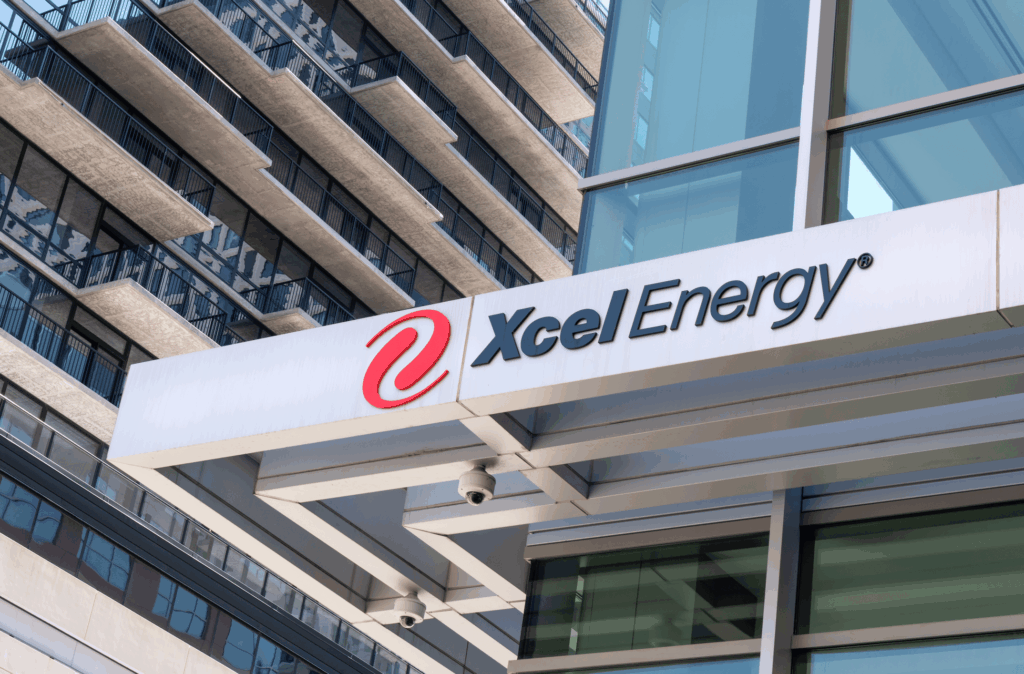
Amidst increasing concerns about utility costs, Xcel Energy is pushing for legislation in Minnesota that would allow it to continue charging customers for fossil fuel infrastructure upgrades without the typical regulatory reviews. This proposal has drawn significant attention and debate among lawmakers and consumer advocates.
The Gas Utility Infrastructure Cost rider (GUIC), established in 2013, enables gas utilities to expedite necessary repairs and replacements of aging pipelines. It was initially set to expire in June 2023, but Xcel successfully lobbied for its extension to June 2028. Now, new legislation, House File 3830/Senate File 3954, seeks to remove the expiration date, effectively making the rider permanent.
While this rider was initially introduced in response to stricter federal pipeline safety regulations, critics argue it has become an unnecessary financial burden for consumers. Other states have moved to limit or eliminate such riders entirely.
Xcel is the predominant user of the GUIC rider in Minnesota, with plans for $603 million in related expenditures by 2030. This has contributed to a more than 30 percent increase in gas service and delivery charges for Minnesota consumers over the past 15 years, according to the Minnesota Department of Commerce.
Commerce Deputy Commissioner Pete Wyckoff highlighted the need for improved regulatory oversight to protect ratepayers, noting the negative impact of rising utility costs on economic development and residential customers. Wyckoff emphasized that without the GUIC rider, pipeline projects would undergo more thorough evaluations, including third-party reviews.
Commerce Assistant Commissioner Sydnie Lieb raised concerns about Xcel’s handling of a proposed $18.7 million pipeline expansion during a recent rate case, pointing out the lack of detailed justification provided by the utility. “These types of projects would not be adequately reviewed if they are in the GUIC rider,” Lieb told lawmakers.
Other Utilities’ Approach and PUC Warnings
Other Minnesota utilities have shown that the GUIC rider is not essential for maintaining safe and reliable gas service. Minnesota Energy Resources and Great Plains Natural Gas use the rider sparingly, preferring traditional rate case processes, while CenterPoint Energy has never used it.
Annie Levenson-Falk, executive director of the Citizens Utility Board of Minnesota, argued before lawmakers that rate cases are the appropriate venue for such expenses. The Minnesota Public Utilities Commission (PUC) has historically cautioned against riders, emphasizing that they can obscure the true costs for ratepayers and reduce incentives for cost control.
National Trends Against Pipeline Riders
Nationally, there is a growing trend against pipeline riders. Colorado abandoned a similar program after Xcel charged customers much more than initially estimated. Illinois halted a costly pipeline replacement program due to skyrocketing expenses. In Maryland and Massachusetts, ongoing debates focus on the financial burden these programs place on consumers and their alignment with long-term energy goals.
As technology and policy shift towards decarbonization and electrification, the need for traditional gas infrastructure is being reevaluated. The viability of alternatives like electric heat pumps is increasing, making the continuation of automatic riders for gas infrastructure projects a contentious issue.
Rick Evans, an Xcel lobbyist, acknowledged the scrutiny surrounding gas utilities and the changing energy landscape. Despite these considerations, Xcel continues to advocate for the indefinite extension of the GUIC rider.
The future of this legislation remains uncertain, as it awaits potential inclusion in omnibus bills or a floor vote before the legislative session ends in May.
Photo credit: Ken Wolter via Shutterstock
Original Story at energyandpolicy.org