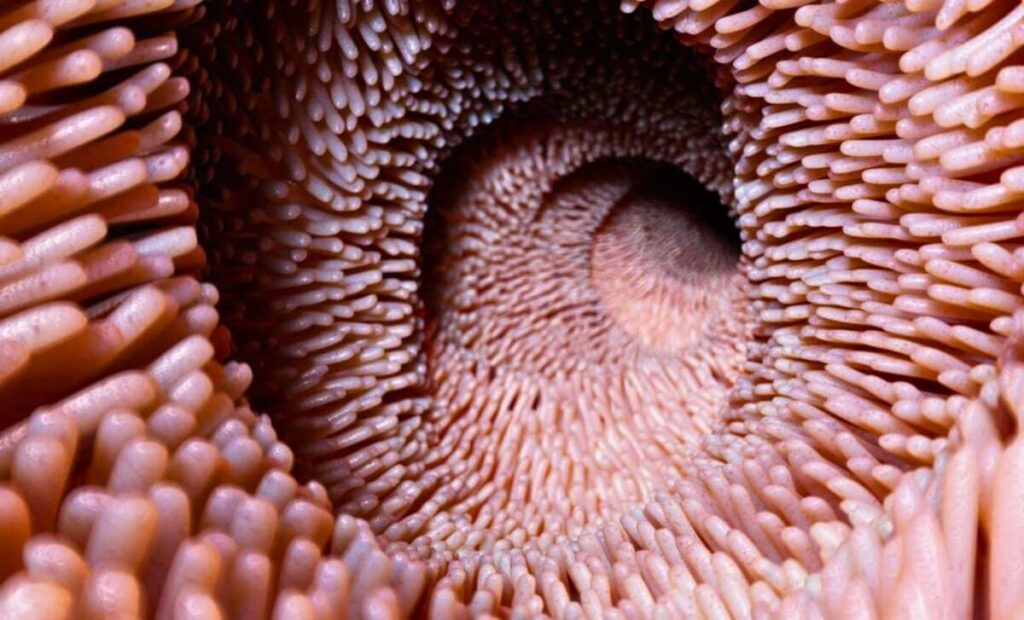
Scientists are uncovering new insights into the aging process of the mammalian gut, a tissue known for its rapid renewal and crucial role in nutrient absorption and pathogen defense. As organisms age, this regenerative capacity diminishes, posing challenges in maintaining gut health. Recent studies are shedding light on how gut microbiota influence this decline and suggest potential interventions to reverse age-related changes.
Traditionally, internal genetic factors were believed to be the primary influencers of gut aging. However, emerging research is shifting focus to the diverse microbial inhabitants of the gut. According to a ScienceAlert report, the microbial ecosystem plays a critical role in the aging process of the gut.
Fecal Microbiota Transplantation (FMT) has become a key tool for understanding this relationship. By transplanting gut microbiota from young donors to older recipients, researchers have observed significant improvements in gut health, suggesting that the composition of bacteria can override age-related declines.
Understanding Microbial Influence on Gut Aging
A pivotal study published in Stem Cell Reports in 2025 explored the impact of FMT on gut aging in mice. Scientists from the University of Cincinnati discovered that older mice, when given a microbiota transplant from younger mice, exhibited a marked reversal in age-related gut changes. Notably, these older mice developed deeper crypts and longer villi, essential structures for nutrient absorption.
The study highlighted how young microbiota not only altered bacterial composition but also rejuvenated host cell function. Older mice receiving young microbiota showed reduced expression of genes linked to inflammation and cellular aging, indicating a restoration of gut health.
Reviving Intestinal Stem Cells
The rejuvenation of gut health in older mice is primarily attributed to the activation of Intestinal Stem Cells (ISCs). Located at the base of intestinal crypts, ISCs are vital for regenerating epithelial cells. In aged animals, these stem cells often become less active. The presence of young microbiota reactivated these cells, promoting a return to youthful gut function.
Metabolites, including indoles and short-chain fatty acids like butyrate, are crucial for this process. These byproducts of bacterial digestion act as signals that stimulate ISCs to regenerate. The introduction of young microbiota reintroduced these signaling molecules to the older mice, enhancing gut barrier integrity and reducing systemic inflammation.
The Role of Specific Bacteria
Akkermansia muciniphila, a bacterium known for maintaining gut health, emerged as a key player in these findings. According to Wikipedia, this bacterium’s abundance decreases with age, correlating with compromised gut function. The young donors in the study had high levels of Akkermansia muciniphila, which, when transferred to older mice, helped stabilize the gut environment.
This bacterium thrives on gut mucus, promoting a feedback loop that protects the gut lining. Additionally, the production of indole-3-aldehyde, a metabolite involved in tissue repair, increased in older mice following the FMT. Published research in the Proceedings of the National Academy of Sciences has linked these pathways with improved immune function and gut-brain axis restoration.
Original Story at indiandefencereview.com