This story was originally published by Grist. Sign up for Grist’s weekly newsletter here. This coverage is made possible through a partnership between Grist and WABE, Atlanta’s NPR station.
The Hidden Perils of Post-Hurricane Heat for Recovery Workers
While the immediate chaos of a hurricane might subside, a new set of dangers lurk in the aftermath, particularly for those involved in cleanup operations. Research from the University of Georgia highlights a critical but often overlooked threat: extreme heat post-storm, which can be just as deadly as the hurricane itself.
Climate change is exacerbating the situation, leading to more severe storms and sweltering conditions in their wake. The U.S. hurricane season overlaps with the hottest months, posing significant risks to those in the southern regions where temperatures soar.
In the case of Hurricane Beryl in Texas, July 2024, 14 lives were claimed by the storm’s direct impacts such as drowning. Alarmingly, an equal number succumbed to the oppressive heat that followed. “You had as many deaths associated with heat as you did from these direct effects,” noted lead researcher Andrew Grundstein. “So I think heat really is a problem we need to think about, especially when power goes out.”
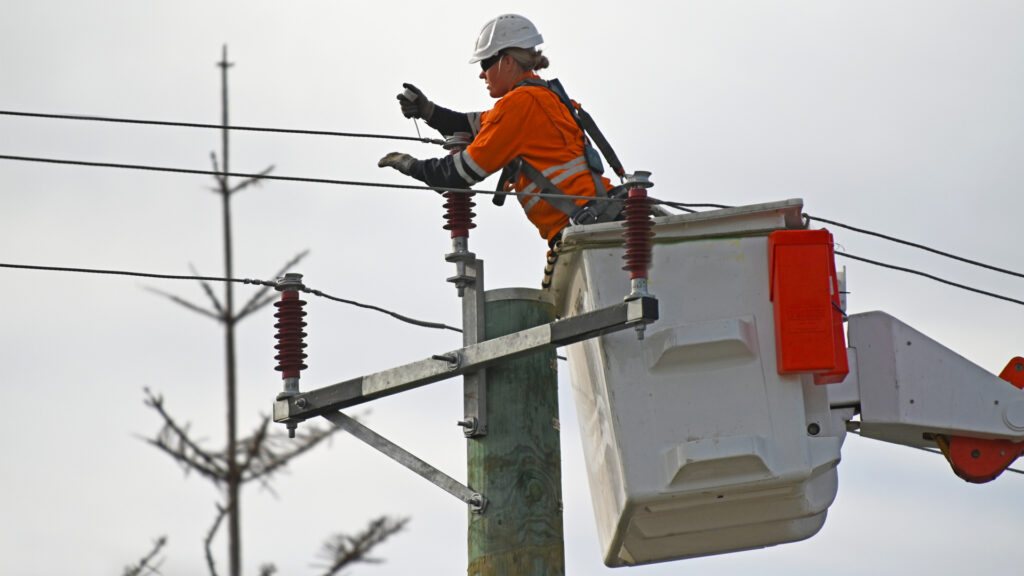
The study emphasized the dangers faced by workers engaged in strenuous outdoor tasks such as debris removal and power restoration. These individuals, often non-locals, are particularly vulnerable to heat stress due to their unfamiliarity with such high temperatures.
Established heat safety measures, like regular breaks and hydration, are crucial but challenging to implement during emergency responses. “But the problem with emergency response, right — that doesn’t always lend itself to easily giving people rest breaks when people’s lives can be at stake,” Grundstein explained. The absence of electricity further complicates recovery by eliminating access to air conditioning, a key relief from the heat.
Emergency managers must prioritize understanding heat risks to prevent worker incapacitation, which could hinder disaster recovery efforts. Suggested strategies include increasing personnel to allow shift rotations and using cooling apparel when air conditioning isn’t feasible.
The broader implications of global warming mean that the frequency and intensity of post-hurricane heatwaves are likely to rise, posing risks not just to workers but to the general population. A typical July day in Houston, as observed during Hurricane Beryl, exemplifies how routine heat can become hazardous in the context of disaster response.
With summer temperatures stretching into September and October, the potential for deadly heatwaves following hurricanes is expected to increase, reinforcing the need for adaptive strategies. “If you have more hot days, that certainly would increase the risk,” Grundstein concluded. “If the season expands, the warm season, that could also potentially increase the risk to people.”
This article originally appeared in Grist at https://grist.org/extreme-weather/after-a-hurricane-extreme-heat-poses-a-serious-threat-to-recovery-workers/. Grist is a nonprofit, independent media organization dedicated to telling stories of climate solutions and a just future. Learn more at Grist.org. Banner photo: A utility worker fixes a power line (iStock image).
Sign up for The Invading Sea newsletter by visiting here. To support The Invading Sea, click here to make a donation. If you are interested in submitting an opinion piece to The Invading Sea, email Editor Nathan Crabbe.
Original Story at www.theinvadingsea.com