This Could Leave a Mark
Kevin Book, Senior Adviser (Non-resident), Energy Security and Climate Change Program
In a rapidly evolving oil market, geopolitical events continue to surprise analysts with less impact on oil prices than expected. A potential blockade of the Strait of Hormuz, however, is a significant concern. The global oil supply was predicted to surplus over 3 million barrels per day this year, but instead, it’s falling short by about 20 million barrels per day. With oil prices inversely related to inventories, prolonged disruptions could push Brent crude prices above $100 per barrel.
Thanks to strong inventories and the shale industry, oil prices have remained stable for now. From 2008 to 2025, U.S. liquids growth accounted for approximately 70% of the global supply increase, supported by other non-OPEC producers like Argentina, Brazil, Canada, and Guyana. However, ongoing geopolitical tensions could limit further growth.
On the demand side, global oil intensity has dropped by around 36% over 25 years, aided by efficiency improvements and economic diversification, granting the world some respite. However, if the Strait of Hormuz remains closed, the market equilibrium will shift, potentially increasing oil prices.
Energy substitution is limited; electricity can’t replace petroleum fuels without a significant increase in plug-in hybrid-electric vehicles. Past energy conflicts, like those in 2022, saw shifts in energy use, such as Asian LNG being redirected to Europe, causing Asian power plants to use more petroleum. A similar situation could arise now, with increased coal usage in Asian power generation.
The crisis could also affect future investments, driving interest in U.S. LNG and accelerating the push for renewable and nuclear energy sources, depending on the crisis’s duration and scale.
No Panic in the Oil Markets
Adi Imsirovic, Senior Associate (Non-resident), Energy Security and Climate Change Program
Despite ongoing risks to oil export routes through the Strait of Hormuz, Brent crude prices have only reached around $90 per barrel, far below the anticipated $100. Surprisingly, forward contracts for oil delivery in January 2027 are priced around $70.
Several factors explain this unexpected market behavior. First, the risk of military escalation was already factored into the market, with Brent prices rising before the initial conflict. After Iran’s threats, the Brent spread for June to December deliveries showed a substantial premium, yet long-term prices remained stable.
Markets had anticipated a substantial oil oversupply due to robust production from the Americas and weak demand growth from China. Additionally, emergency oil stocks are healthy, with the OECD maintaining over 90 days of consumption and China holding enough inventory for over 110 days. The U.S. also has substantial reserves to cover short-term demand.
The real issue lies in secure transportation from the Persian Gulf, not oil availability. The Strait of Hormuz, while difficult to block completely, poses navigational risks that could be mitigated through war insurance and increased security measures. With these steps, the oil supply chain could be restored.
A prolonged conflict might elevate prices, but the oil market is adaptable. Despite its volatility, the market remains rational, ensuring no shortages and avoiding panic.
Factors Mitigating the Long Duration War Scenario
Sarah Emerson, Senior Associate (Non-resident), Energy Security and Climate Change Program
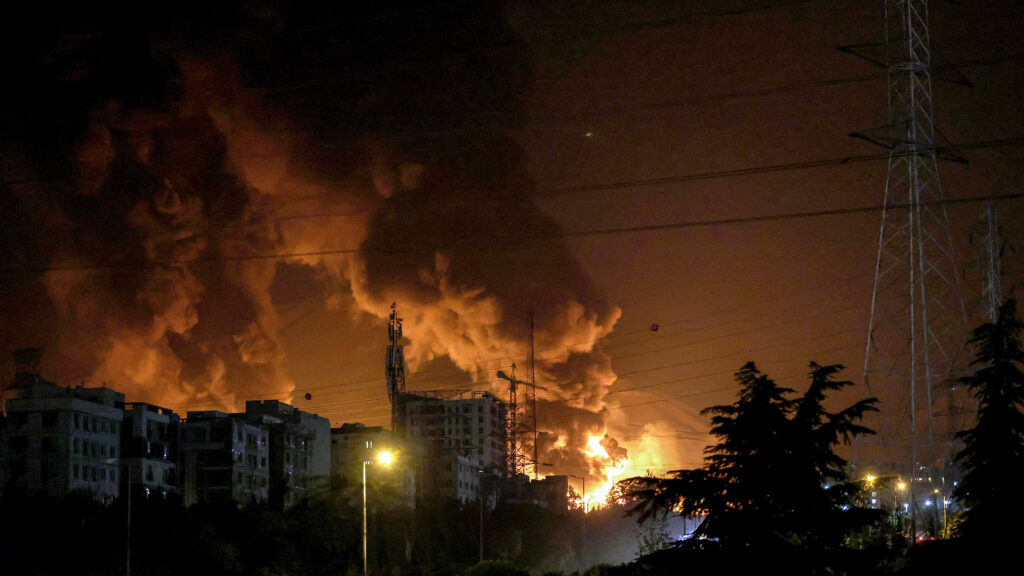
Recent events in the Arab Gulf suggest increasing risk, with strikes damaging key oil facilities and disrupting Strait of Hormuz traffic. However, several factors could limit the conflict’s duration. U.S. and Israeli forces are reducing Iran’s missile capabilities, while Gulf nations’ interceptor stocks are dwindling. With air superiority, more effective targeting is possible.
Iran’s attacks on energy infrastructure have caused minimal damage, indicating secondary targets. Iran’s strategy seems to focus on diverse targets, including American locations. This scattershot approach may stem from decentralized command, reducing attack coordination.
Energy disruptions will pressure Iran, with the U.S. less affected by strait closures compared to Iran’s key customer, China. Iran’s sea-stored crude stocks provide about 100 days of exports, but replenishing these stocks depends on open straits and intact oil infrastructure.
After the Storm, OPEC+ Will Face Choppy Seas
Raad Alkadiri, Senior Associate (Non-resident), Energy Security and Climate Change Program
OPEC+ faces increased challenges in market management amid growing fiscal pressures on key producers like Saudi Arabia. The recent U.S. and Israeli actions against Iran have complicated the supply-demand dynamics. While immediate supply effects are clearer, long-term demand impacts remain uncertain.
OPEC+ must consider factors like global economic growth, reserve usage, non-OPEC production investments, and potential compensation for war costs. The organization is likely to continue its short-term market management strategy, adjusting supply to prevent price drops. However, market volatility and price swings are expected to persist.
The War in Iran Puts Qatar’s LNG Expansion in Question
Leslie Palti-Guzman, Senior Associate (Non-resident), Energy Security and Climate Change Program
The ongoing conflict has cast uncertainty over Qatar’s significant LNG expansion. The North Field project aims to boost LNG export capacity from 77 million tonnes per annum (mtpa) today to 110 mtpa by 2027 and potentially 126 mtpa by the decade’s end.
LNG projects require precise engineering and uninterrupted supply chains. Even minor disruptions at Qatar’s export hub or increased security concerns could delay new liquefaction trains. Shipping “war premiums” could also affect equipment delivery. QatarEnergy has already announced delays for its North Field East project.
The conflict raises concerns about Qatar’s shared reservoir with Iran. Political changes in Iran could complicate cooperation necessary for reservoir management, affecting long-term field development.
A positive outcome for Qatar would involve stable leadership in Tehran respecting bilateral agreements. An eventual pro-American government in Tehran could reduce Qatar’s geographic and shipping vulnerabilities, aligning it more closely with the U.S. and Israel.
Collateral Damage for Qatar’s LNG Industry
Ben Cahill, Senior Associate (Non-resident), Energy Security and Climate Change Program
Qatar, a leader in the LNG market, has faced setbacks amid the conflict. Known for stability, Qatar’s reputation has been challenged by recent events. QatarEnergy halted operations at Ras Laffan after a drone strike, declaring force majeure to buyers.
If supply disruptions continue, the LNG oversupply anticipated this year may vanish, leading to tighter markets and higher spot prices. Replacing volumes from Qatar is challenging, given its significant global production share.
Buyers may seek to diversify supply sources, considering the transit and geopolitical risks associated with LNG from Qatar, the UAE, and Oman. Suppliers from other regions, including the U.S., may become more appealing for long-term contracts.
Original Story at www.csis.org