In an era marked by heightened climate concerns, the World Bank has announced its commitment to supporting gas projects in certain developing countries. This decision comes amidst ongoing debates about the role of fossil fuels in the global energy mix.
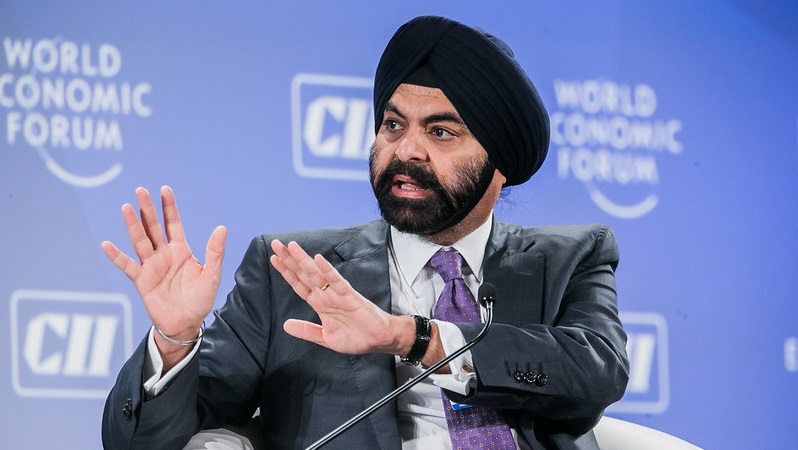
“Homes, mines, factories, farms, and growing cities – what do they need? Reliable, affordable baseload power,” stated World Bank President Ajay Banga during the bank’s annual meeting in Bangkok. He emphasized a balanced approach, integrating renewables, hydro, gas where appropriate, nuclear when sensible, and crucial infrastructure like transmission and storage.
These remarks follow a week of intense pressure from the US to increase gas project financing and from climate advocates urging the cessation of fossil fuel funding. Since Donald Trump’s re-election in 2025, Banga has navigated these complex dynamics within the bank’s climate policy.
The bank ceased coal project support a decade ago and refrained from funding oil projects last year. While it has stopped backing gas exploration, it continues to support projects related to gas transportation and usage, exemplified by a $140-million LNG import project for Benin, Côte d’Ivoire, and Togo.
Despite a decline in overall fossil fuel support, the bank’s clean energy investments have reached unprecedented levels, with approximately $10 billion annually allocated to such projects from 2023 to 2025, compared to under $1.5 billion for fossil fuels.
During a civil society townhall, Hussain Jarwar of Pakistan’s Indus Consortium questioned Banga on the bank’s support for LNG, citing economic volatility and debt concerns. Banga responded by highlighting the bank’s role in helping countries achieve “baseload productive power” and expressed willingness to collaborate with Pakistan on energy self-reliance initiatives.
Climate campaigners remain unconvinced. Sunil Acharya from Recourse criticized the bank’s strategy, arguing it perpetuates an outdated energy model and fails to prioritize renewable solutions. “Fossil gas is bad economics,” Acharya said, urging a shift towards fully renewable economies.
US Pressure from Scott Bessent
Complicating matters, US Treasury Secretary Scott Bessent, absent from the Bangkok meeting, issued a statement commending the bank’s focus on poverty reduction and economic growth. He advocated for lifting the prohibition on gas and oil financing, asserting it would enhance electricity access in Africa.
As a major gas exporter, the US faces challenges in finding international buyers for its expanding LNG production. Analysts predict a tough market ahead as Europe and Asia transition to cleaner energy sources.
In July, under US influence, the World Bank removed its climate finance target, yet it renewed its climate action plan with broad international support. Other banks with significant US involvement may now face similar pressures.
Additionally, in 2025, the World Bank lifted its nuclear power support ban, a move welcomed by the US. Banga mentioned plans to support nuclear retrofits in collaboration with the International Atomic Energy Agency, marking the bank’s first engagement in this area in five decades.
Original Story at www.climatechangenews.com