Bangladesh and US Forge Trade Deal with Economic and Energy Implications
In a move to deepen economic ties, Bangladesh and the United States have jointly announced a new trade agreement. This arrangement, revealed on February 9, aims to bolster bilateral economic relations by adjusting tariff rates and opening markets for each other’s goods.
Under this deal, the United States will reduce its tariff on Bangladeshi goods from 20% to 19%. In exchange, Bangladesh will offer significant market access to US industrial and agricultural products. However, the agreement has sparked debate within Bangladesh, primarily due to clauses that touch on national security and geopolitical issues beyond mere tariff considerations.
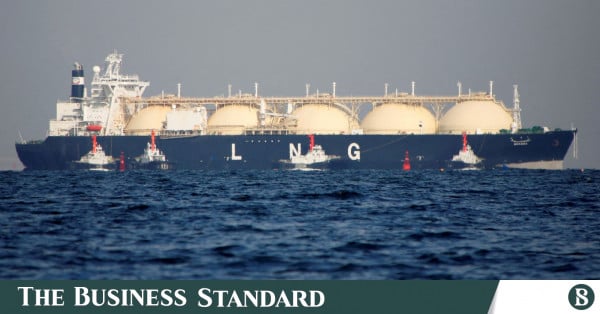
A key provision of the agreement requires Bangladesh to purchase $15 billion worth of American liquefied natural gas (LNG) over a 15-year period. This clause could potentially limit Bangladesh’s ability to engage in free trade agreements with countries not considered market-based, raising concerns among economists and energy experts about the implications for the nation’s energy security.
The Rise of LNG Dependency
Bangladesh has historically met its gas needs through domestic production, but since 2018, it has increasingly turned to the global market to import LNG. This shift was driven by a need to bridge the gap between domestic supply and demand. The country now relies on imported LNG for one-third of its annual gas consumption, with imports amounting to approximately 5.5 million tonnes each year.
Experts warn that the new trade deal with the US may intensify this dependency. “Compliance with this condition will leave Bangladesh locked into volatile and expensive LNG dependency,” said Moshahida Sultana, an associate professor in the Accounting Department at the University of Dhaka.
US Influence in Bangladesh’s Gas Sector
The US has been strengthening its foothold in Bangladesh’s gas industry through various agreements and infrastructure projects. Excelerate Energy, a US company, has constructed two regasification units in Bangladesh, which together provide about 35% of the country’s daily gas supply. Additionally, Excelerate Energy has signed a 15-year contract to supply LNG to Bangladesh, beginning in 2026.
Moreover, Chevron, another American energy giant, controls 58% of Bangladesh’s daily gas production. With these developments, the US is poised to exert considerable influence over Bangladesh’s energy sector.
Challenges for Renewable Energy Expansion
Bangladesh’s renewable energy sector, particularly solar power, could face setbacks due to the US-Bangladesh trade agreement. Currently, the country has a renewable energy capacity of 1,743 MW, with solar energy contributing 1,450 MW. Much of this capacity relies on technology and equipment from China.
The agreement’s restrictions on trade with non-market-based countries, such as China, could hinder the import of crucial solar components like panels and inverters. “Investment for LNG storage and regasification facilities and import bills could push back the targeted renewable goal. The money that could have been spent on renewable energy would go to LNG. Renewables would not expand much if investment is interrupted,” Moshahida noted.
Impact on Access to Cheaper Energy Alternatives
The financial burden of importing LNG is significant for Bangladesh, with the government providing substantial subsidies. In the fiscal year 2024-25, the subsidy reached Tk6,000 crore. With global energy price volatility, this cost is expected to rise, potentially doubling.
The agreement’s terms may limit Bangladesh’s ability to explore more affordable energy options, as noted by Debapriya Bhattacharya, economist and distinguished fellow at the Center for Policy Dialogue. Before the recent deal, Bangladesh had the freedom to source energy from any country, including China and Russia. Now, sanctions and restrictions within the agreement may constrain Bangladesh from accessing cheaper alternatives, such as Russian fuel.
As part of the trade deal, Bangladesh would need a formal waiver from the United States to procure Russian fuel, a request that the South Asian nation has already made.
Original Story at www.tbsnews.net