Amidst a growing number of extreme weather events, from Storm Éowyn to Storm Chandra, and irregular rainfall patterns, the perception that climate change is a distant problem is increasingly hard to maintain. The impact of climate change is already tangible, challenging the belief that it is a future concern.
In January, the European Union’s Copernicus climate change service warned that the global temperature rise might exceed 1.5 degrees Celsius above pre-industrial levels by 2030—ten years sooner than previously anticipated. This threshold, outlined in the 2015 Paris Agreement, represents the upper limit deemed necessary to prevent catastrophic events like floods, droughts, and wildfires that could render large parts of the world uninhabitable.
The imminent arrival of an intense El Niño event in the Pacific this summer could further exacerbate climate concerns by 2026. According to a report by Caroline O’Doherty, Copernicus data reveals that Europe is heating at twice the rate of other continents, with dire implications for the region.
The science is clear: the continued emission of greenhouse gases like carbon dioxide, methane, and nitrous oxide forms a heat-trapping blanket around the Earth. These emissions primarily arise from fossil fuel consumption, agriculture, and deforestation. However, there is a silver lining; renewable energy usage in Europe has increased, now accounting for 46% of electricity supply.
Despite these advancements, government responses remain lackluster. For example, the delayed release of the 2026 Climate Action Plan underscores a broader hesitancy to enact necessary measures. The latest Copernicus report highlights the urgent need for action, especially given the record-breaking wildfires in 2025, which consumed over a million hectares in Europe.
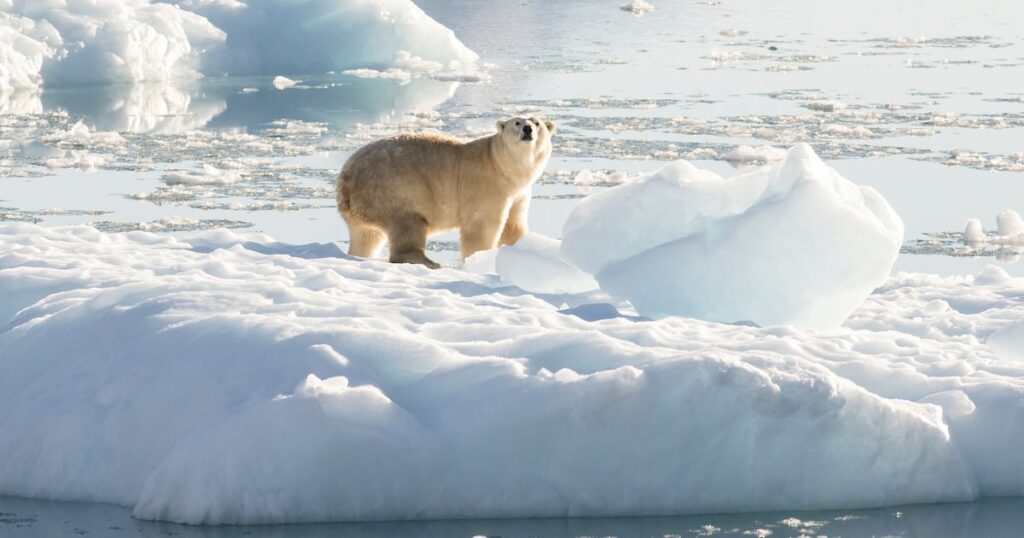
Climate change is intricately linked to biodiversity. The report stresses that the degradation of natural systems exacerbates climate change, necessitating immediate action as recommended in the Nature Restoration Law. Furthermore, recent heatwaves have led to significant ice loss in Greenland and reduced snow coverage in Europe, triggering feedback loops that accelerate warming.
While some may note the arrival of new species such as the egret and emperor dragonfly as a positive outcome, these changes are minor against the backdrop of the potential for overwhelming climate impacts. Individual efforts, like reducing fossil fuel use, are crucial, but collective political action is paramount. Citizens are urged to prioritize climate change as a key issue to address with policymakers.
Original Story at www.irishtimes.com