Electric vehicles are becoming increasingly popular, but the lifespan of their charging equipment remains a less discussed topic. While much focus is placed on the longevity of EV batteries, the question of when to replace an electric vehicle supply equipment (EVSE) is often overlooked, leaving consumers wondering how they’ll know when it’s time for a change.
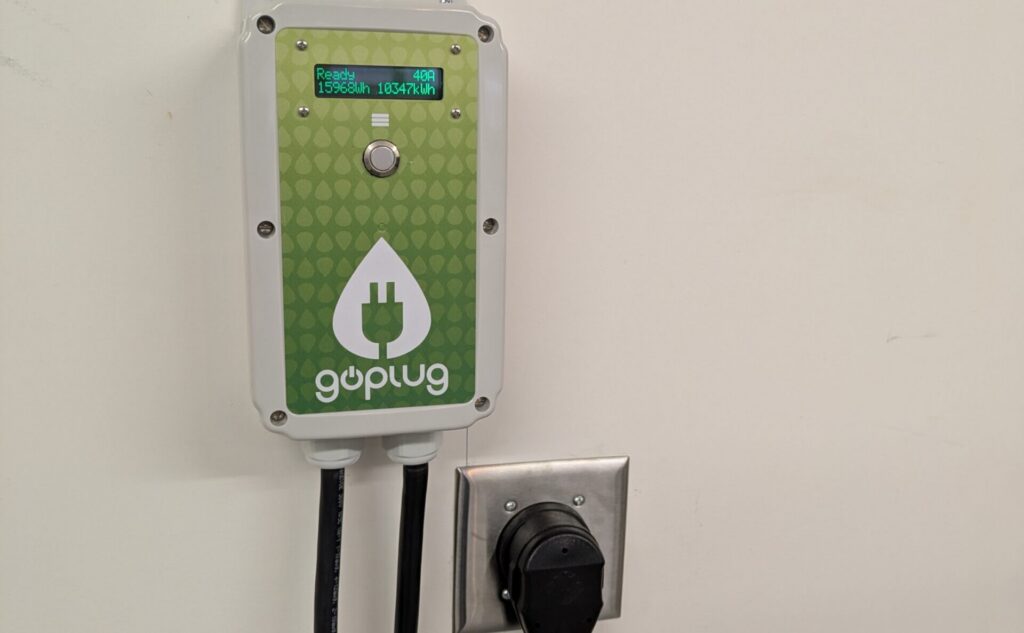
Typically, the device known as the charger in an electric vehicle setup is actually the EVSE, which facilitates power delivery to the car’s internal charger. Recently, one user’s experience with a beta-tested GoPlug EVSE highlighted the importance of monitoring these devices for signs of wear.
An Unexpected Retirement
Years ago, the GoPlug EVSE was introduced as a beta test product by early EV adopters. Although it never became a mainstream commercial brand, it was used extensively for several years until it was replaced by a more advanced Emporia Pro model. The GoPlug was later installed in a secondary location in Montana, where it began to show signs of trouble through fluctuating power levels and increased warmth.
Upon consulting with one of GoPlug’s designers, telemetry data revealed that the EVSE was reducing charging power as a safety response to rising internal temperatures. The designer shared a crucial guideline: “We decommission chargers when they heat up by ~15°C during the initial 15 minutes of a charging session.” With temperatures rising above this threshold, it became clear that a replacement was necessary.
The changing charge current made no sense until I got feedback from my friend that it was behavior as designed and protecting itself from excess heat. The suspect part was how quickly the temperature rose in the first 15 minutes of operation.
The Wear and Tear of Contactors
Unlike a simple extension cord, an EVSE contains a contactor, which is an electromechanical switch that manages power flow to the vehicle. Over time, arcing during the opening and closing of the contactor can degrade its surfaces, increasing resistance and heat generation. This was suspected to be the issue with the GoPlug EVSE.
Chris Howell, a designer of the OpenEVSE architecture, noted that contactor degradation is a key wear-out mechanism for EVSEs. Despite contactors being designed for 100,000 cycles, factors like arcing from prematurely opened contacts can accelerate wear. A study noted potential issues with the J1772 protocol, where vehicles might not reduce current before disconnection, exacerbating contactor wear.

OpenEVSE already tracks contactor health in its software and makes this report. Image credit — OpenEVSE
Different Perspectives
Theodore Bohn, an expert from Argonne National Laboratory, offers a differing viewpoint, suggesting that AC contactor failures are rare compared to issues with connectors and cables. According to Bohn, software upgrades and new capabilities, rather than hardware failures, often dictate when an EVSE is replaced.
Howell’s and Bohn’s perspectives might reflect varied experiences across different EVSE usage scenarios, from residential to public settings. This disparity underscores a significant issue: EVSEs lack a clear indicator of their remaining lifespan.
Guidance for the Average User
The complexity of diagnosing EVSE issues raises concerns for typical consumers. Unlike experienced engineers, most users lack the expertise to interpret subtle signs of EVSE wear. The GoPlug EVSE in this case continued to function without obvious failure indicators, even though its internal systems were signaling a change.

A 50A contactor that has become suspect and is being replaced. (Image credit: OpenEVSE)
Time for a Smarter EVSE?
Given the data modern EVSEs can track—such as temperature, energy delivered, and usage patterns—there is potential for these devices to notify users of aging or abnormal conditions. An EVSE that detects significant deviations from its historical performance could proactively recommend servicing before failure occurs.
While predicting the precise end-of-life for an EVSE is complex, recognizing changes in performance could provide valuable insights to users, ensuring safety and reliability.
Original Story at evchargingstations.com