On March 31, a panel dubbed the “God Squad,” primarily comprising Trump cabinet members, voted to exempt the oil and gas industry in the Gulf of Mexico from the Endangered Species Act (ESA).
The Endangered Species Committee was formed by Congress to assess cases where the ESA might threaten national interests. If courts do not intervene, this recent decision could waive ESA requirements for the oil and gas industry to protect endangered species in the area, including the critically endangered Rice’s whale, with only a few dozen left.
Pat Parenteau, a senior fellow for climate policy at Vermont Law and Graduate School, discussed this in an interview.
JENNI DOERING: What is this God Squad?
PAT PARENTEAU: Created in 1978, this cabinet-level committee can waive ESA requirements if national interests are at stake, potentially leading to species extinction after all efforts to avoid such outcomes have been tried. This is a last-resort measure where a conflict with national interest or security cannot be reconciled.
DOERING: Has the process been followed in the recent decision?
PARENTEAU: No process was followed. Defense Secretary Pete Hegseth merely claimed a national security problem, despite lawsuits not blocking oil and gas development or violating the ESA in the Gulf.
DOERING: What does this exemption mean?
PARENTEAU: If upheld, this would significantly threaten multiple endangered species in the Gulf of Mexico, like Rice’s whale, sperm whale, and endangered sea turtles, which depend on ESA protections to survive. Trump could be the first president linked to the extinction of a marine mammal—Rice’s whale—if a single breeding female is killed. NOAA suggests simple measures like slowing down vessels to avoid harming these species.
DOERING: How is national security being used to justify this exemption?
PARENTEAU: Although the law allows for a national security exemption, it is meant for direct threats to military readiness. Hegseth’s claim that the oil supply chain is threatened by international events is unrelated to the ESA, which doesn’t hinder oil and gas development. No injunctions exist against such development in the Gulf.
DOERING: What are the broader implications?
PARENTEAU: If upheld, this could set a precedent for applying national security exemptions broadly, potentially affecting other areas such as national forest timber harvests, threatening more endangered species.
DOERING: Can you share insights from past ESA exemptions?
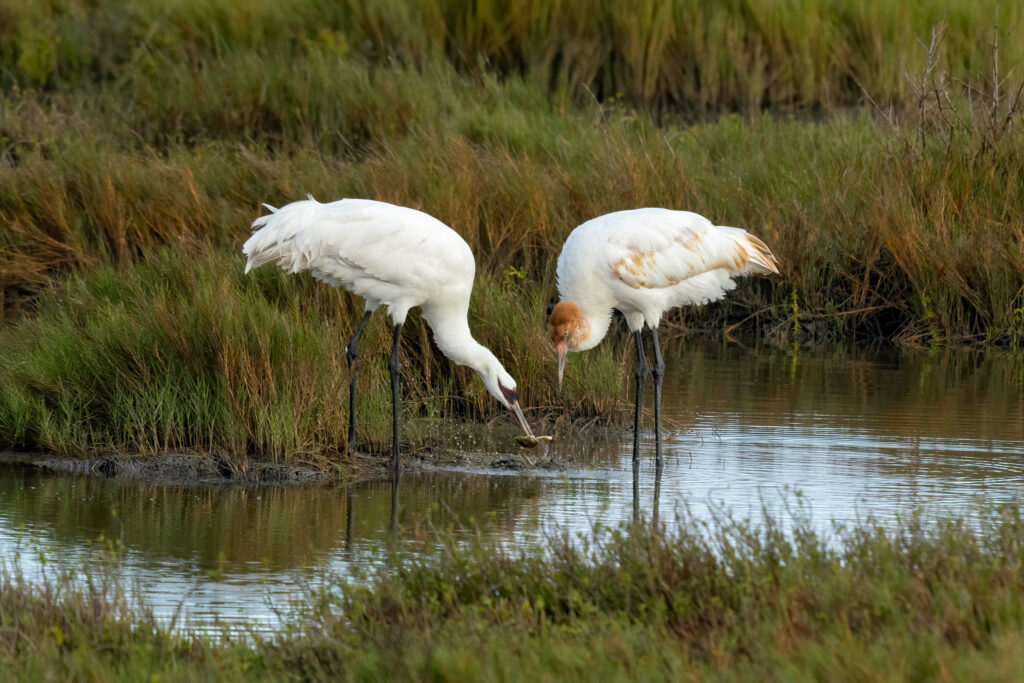
PARENTEAU: We achieved protection for whooping cranes by negotiating agreements that balanced development and conservation, highlighting that alternatives to extinction exist. The ESA has saved thousands of species from extinction. We must choose resource development without species extinction.
Original Story at insideclimatenews.org