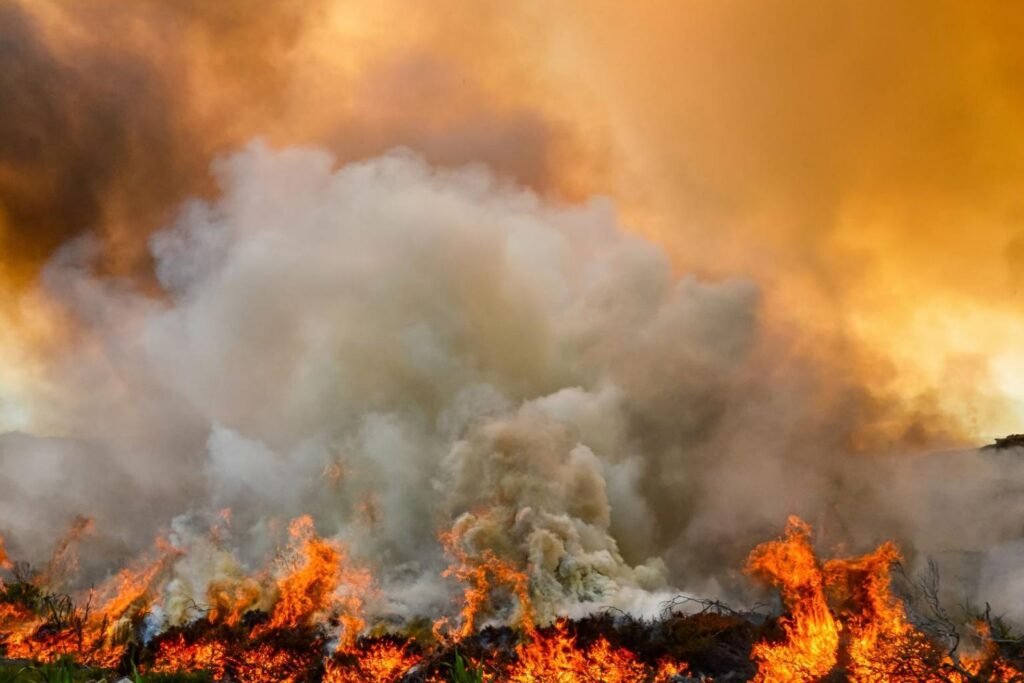
Urgent action is needed to mitigate the impact of super-pollutants on climate change and public health, experts revealed during a UN-hosted conference in Bangkok. They call on governments and businesses to hit the “super-pollutant emergency brake” to curb the alarming effects of these shorter-lived yet highly potent pollutants.
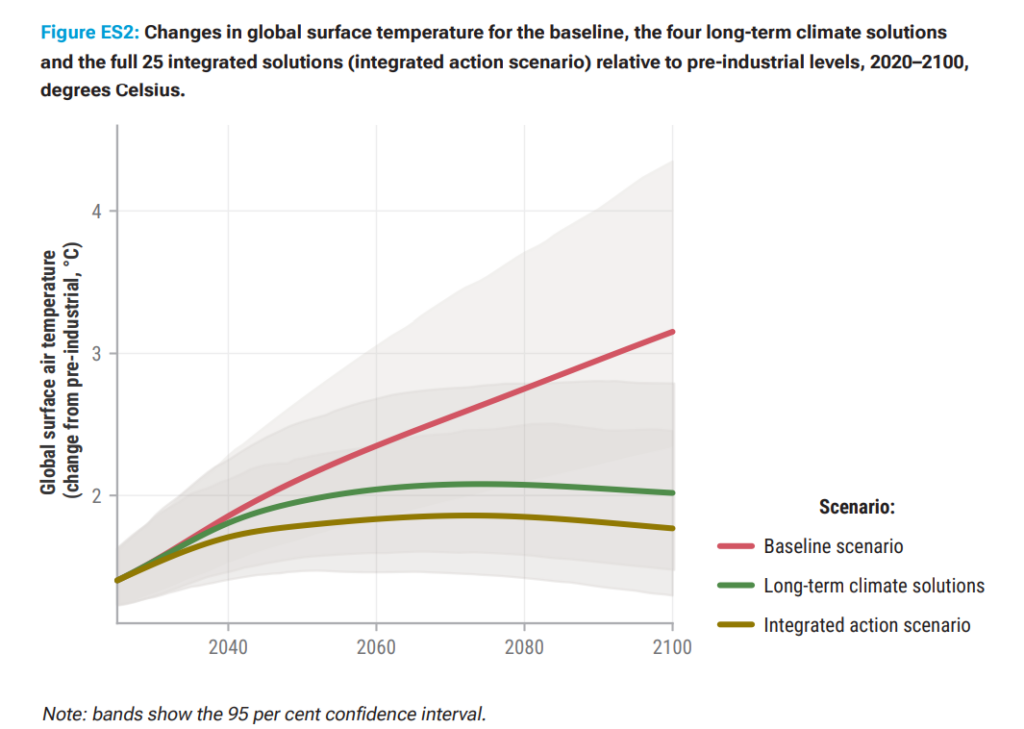
The plea comes ahead of the COP 31 Climate Change Conference in Antalya, where global leaders are urged to devise a comprehensive strategy addressing both air pollution and global warming. Historically, UN climate summits have concentrated on reducing carbon dioxide (CO2), the primary long-term greenhouse gas. However, super-pollutants, which linger in the atmosphere for only a few weeks to two decades, present an opportunity for a rapid cooling effect if curtailed immediately.
Potential Economic and Health Benefits
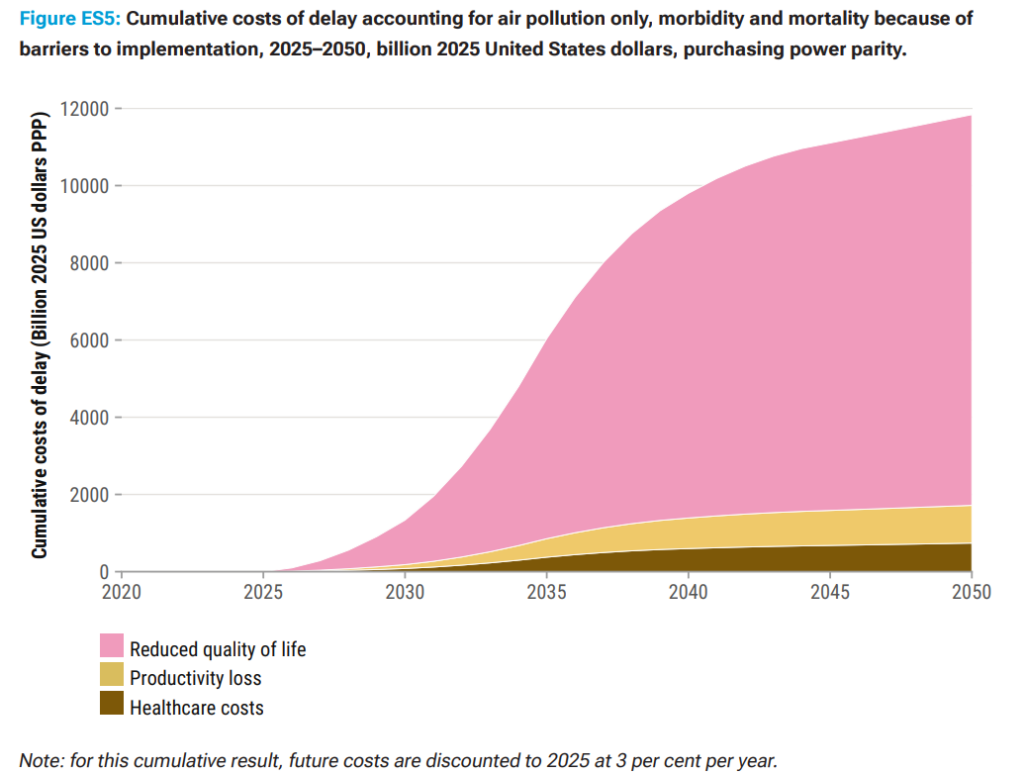
Highlighting the economic advantages of curtailing super-pollutants, experts cite a potential $1.5 trillion annual boost to the global economy. The new report, Hidden Assets, outlines the health and monetary benefits of reducing emissions of methane, black carbon, and ozone.
The Role of CCAC
The Climate and Clean Air Coalition (CCAC), part of the UN Environment Programme, is a voluntary assembly of over 200 governments and organizations focused on reducing super-pollutants. While its findings aren’t mandatory, the coalition aims to galvanize political will for urgent action. “This translates into a language of policy that a finance ministry will understand,” emphasized Lorenzo Santucci from the UN agency ESCAP during the conference.
Understanding Super-Pollutants
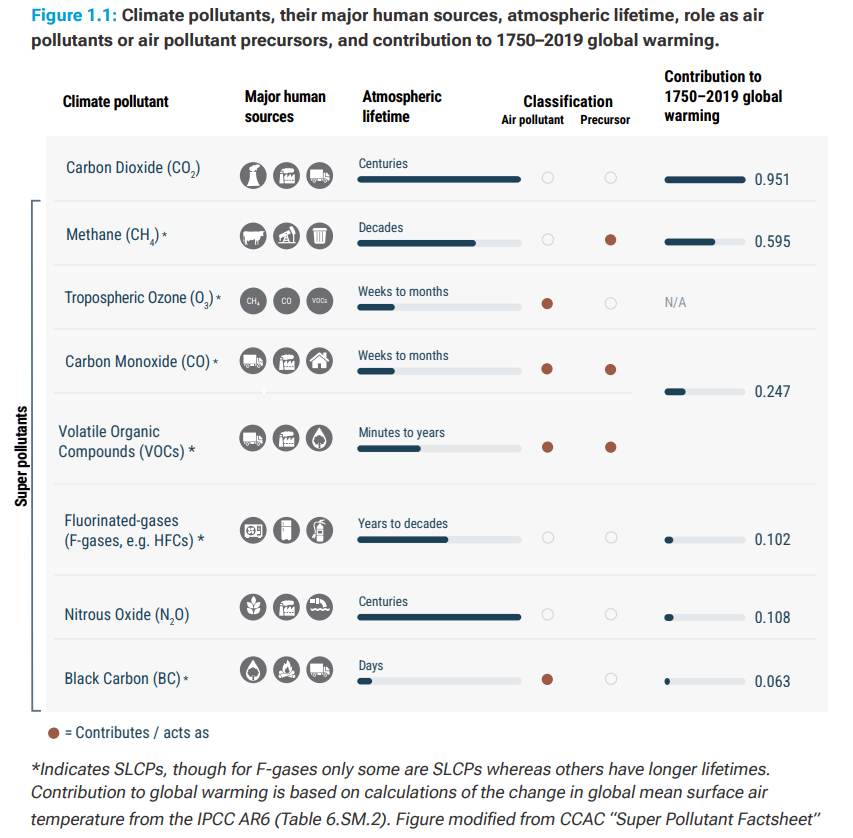
Super-pollutants, or Short-Lived Climate Pollutants (SLCPs), include methane, black carbon, and ground-level ozone, among others. These pollutants, primarily released from fossil fuel combustion and agriculture, have a significant warming potential but dissipate quickly compared to CO2. Methane, for instance, is a potent greenhouse gas that persists in the atmosphere for about a decade, making it a critical target for climate action.
Health and Economic Implications
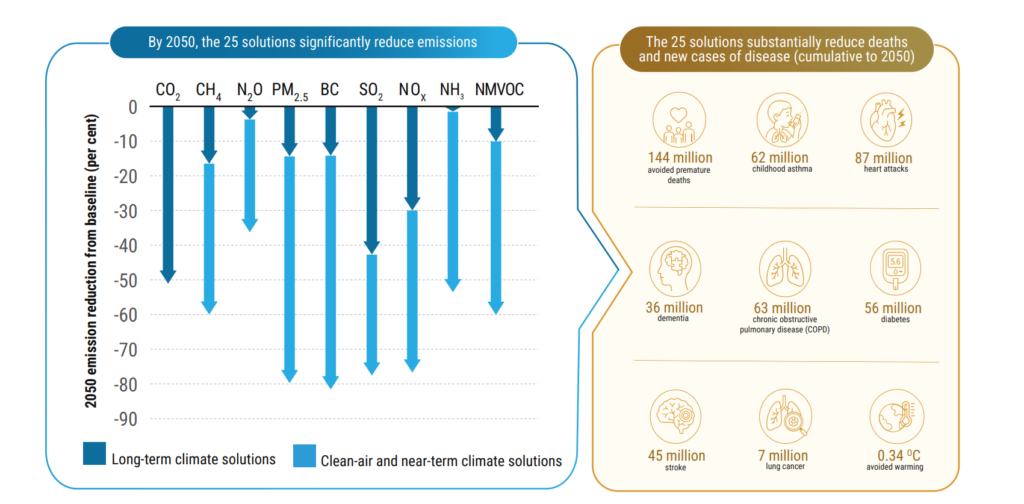
The economic and health costs of inaction are stark. Without intervention, stroke cases due to air pollution may surge by 65%, heart attacks by 78%, and dementia by 83% by 2050. Conversely, investments in mitigating these pollutants promise significant returns, with each dollar potentially yielding $15 in benefits globally, and even higher returns in regions like Africa and South Asia.
Proactive measures could prevent 144 million deaths by 2100, drastically reducing air pollution-related fatalities. The report estimates that while the cost of action is about $9 billion annually, inaction could result in a $1.5 trillion yearly economic burden.
Global Efforts and Challenges
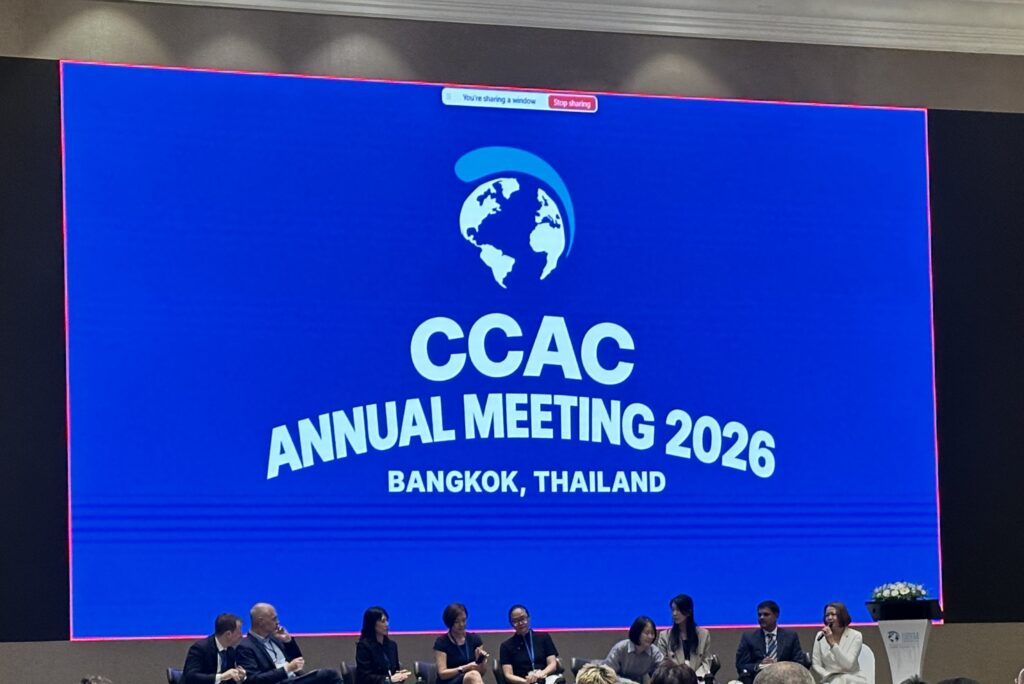
While the CCAC’s voluntary framework offers flexibility, the challenges are considerable. The Indo-Gangetic Plain, plagued by severe air pollution, exemplifies the obstacles faced. Ashish Tiwari from ICIMOD highlighted the geopolitical tensions and inadequate air quality monitoring infrastructure in the region. To address these issues, harmonizing national and regional air quality management plans is crucial.
Moving Forward

Despite the challenges, CCAC’s approach offers a pathway to significant climate mitigation and health improvements. As countries incorporate SLCP measures into their Nationally Determined Contributions (NDCs) under the Paris Agreement, the potential for progress grows. The CCAC’s efforts to mainstream air quality into climate policy highlight the urgent need for integrated strategies to achieve both clean air and climate goals.
Original Story at healthpolicy-watch.news