
Electric vehicles are reshaping the automotive landscape, but for those making the switch, there are many nuances to grasp. For instance, when I purchased my Kia EV6, I wasn’t originally planning to go electric. My experience with a Tesla Model 3 rental had been unpleasant, yet the mounting costs of maintaining my BMW X1 prompted me to consider alternatives. Though I initially eyed the Mazda CX-50, a deal on a used EV caught my attention. Since then, I’ve been satisfied with my choice, but there are critical insights I wish I had before making the purchase.
Understanding Charging Levels
Charging an EV isn’t as straightforward as filling up a gas tank. Living in an apartment without an electrical outlet meant I couldn’t install a ‘Level 2’ high-voltage charger. Instead, I rely on Level 1 charging, which uses a standard household outlet. While convenient, it takes days to charge fully.
For faster charging, Level 2 is ideal, usually requiring a dedicated outlet and allowing my Kia EV6 to charge in under 8 hours. The industry is moving towards Tesla’s NACS standard, which newer Kia models now support. Level 3, or DC fast charging, offers the fastest option, taking my car from 1% to 80% in about 20 minutes.
Costs of Public Charging
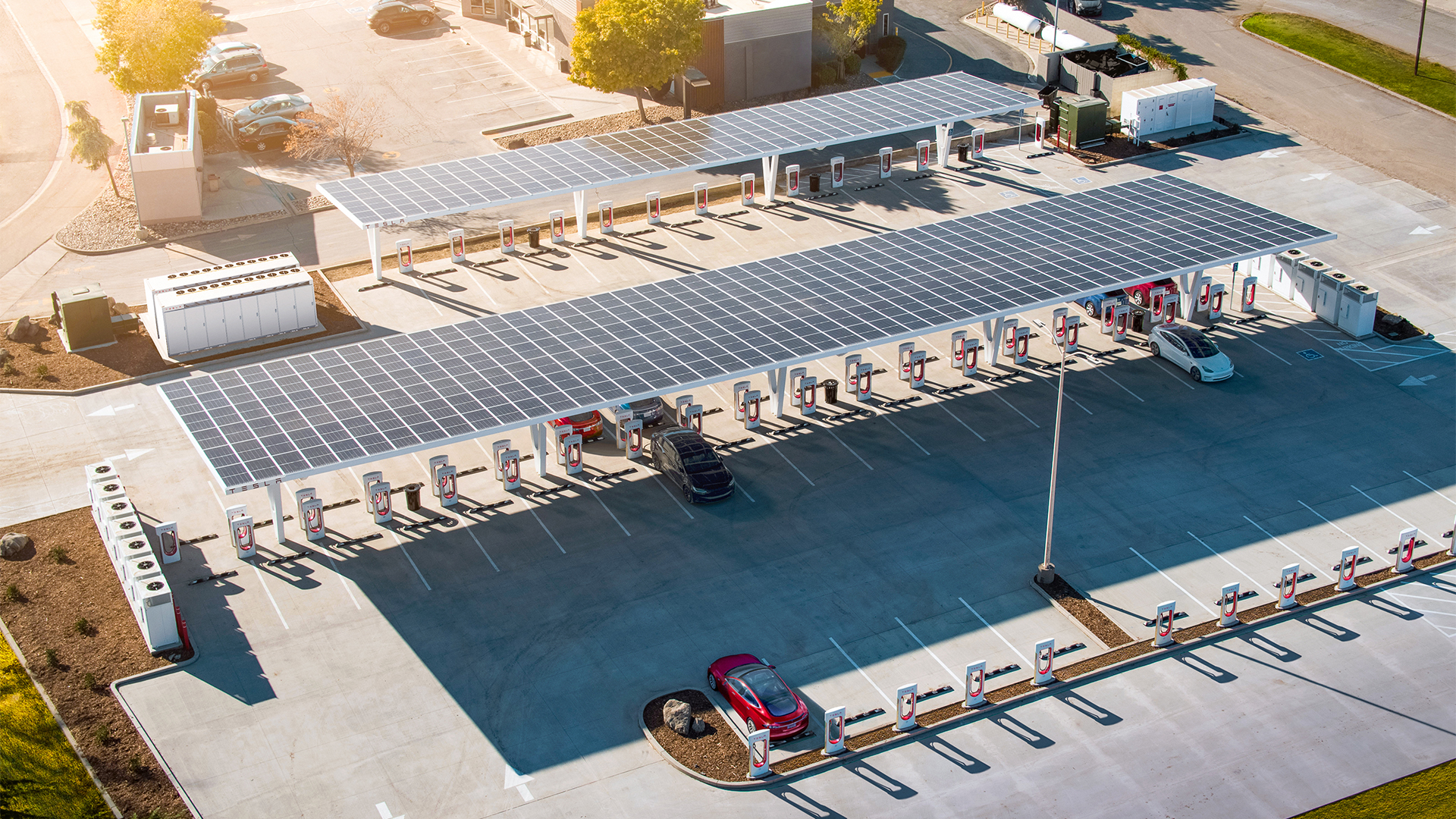
Contrary to popular belief, public EV charging isn’t free. Networks like Electrify America or Tesla own many public chargers, and costs vary based on factors like charging speed and time of day. For example, fully charging my 77.4 kWh battery at $0.50/kWh would cost around $38.70, comparable to fuel costs for my former BMW. Charging at home, with average electricity rates around $0.13/kWh, offers significant savings, but without that option, I’ve found free local charging stations to be a boon.
Navigating Charging Networks

The multitude of charging networks requires multiple apps for access, often with subscription fees and technical issues. The PlugShare app is invaluable, offering user reviews of charging stations to help avoid non-functional or inefficient chargers.
The ‘80% Rule’ for Efficient Charging
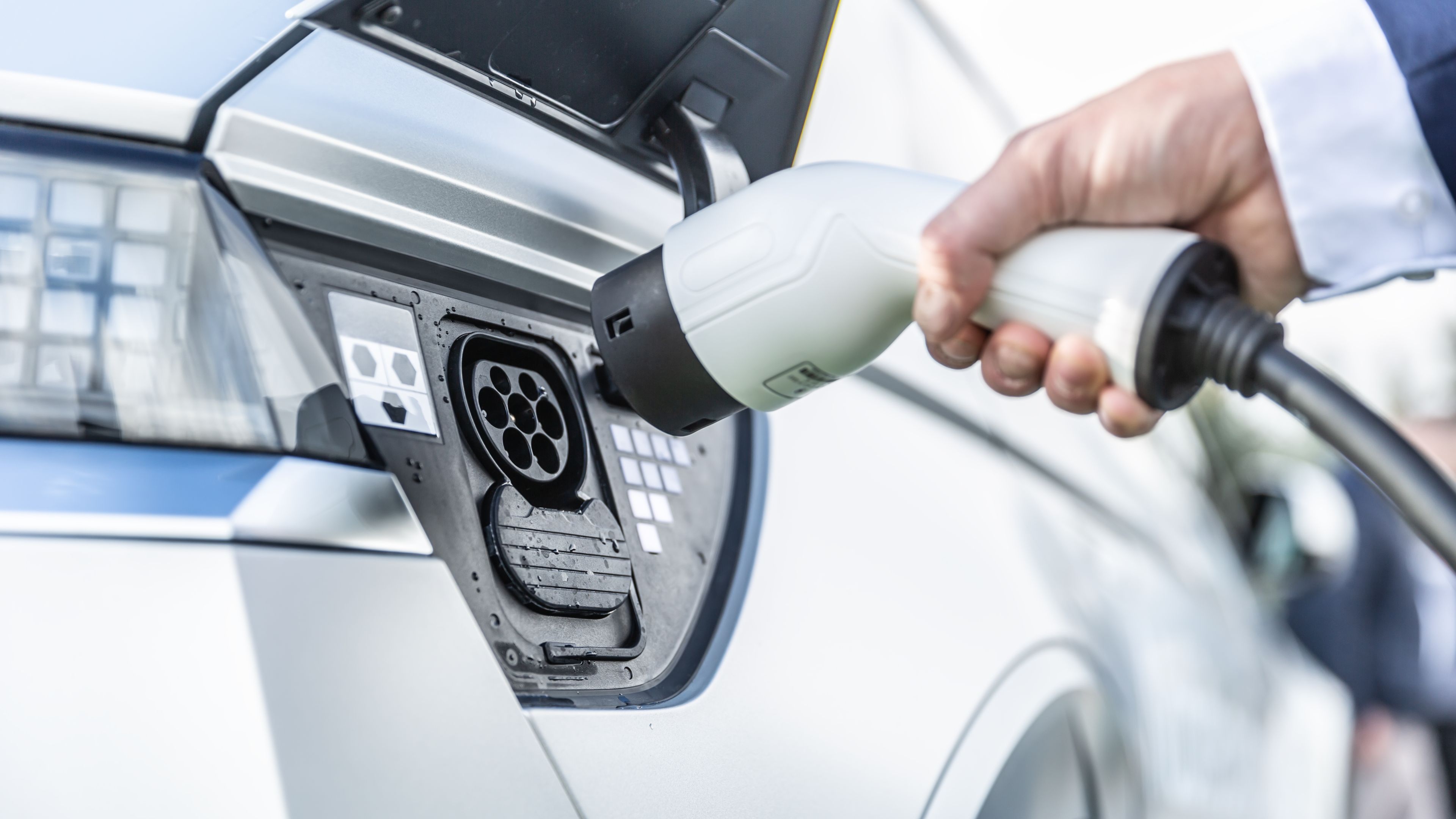
Charging efficiency decreases after reaching 80% to protect the battery, so it’s often faster to charge to 80% and continue driving. For long trips, I only charge to 100% when I can leave the car overnight.
Trusting EV Range Predictions
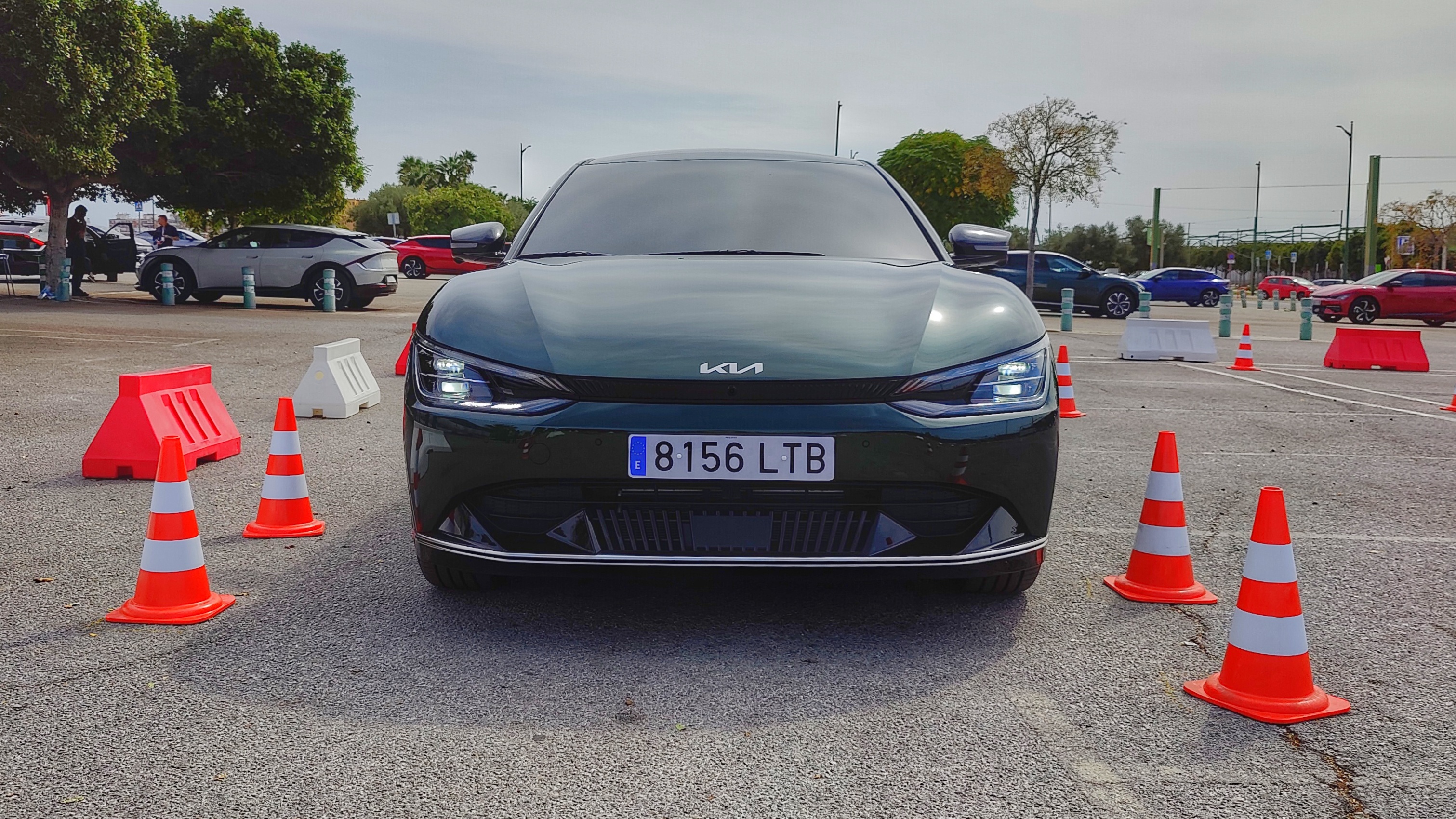
EVs excel in stop-and-go traffic due to regenerative braking. However, high speeds and heavy air conditioning use can reduce range more than expected. Unlike my old gas car, I haven’t dared to test the limits of ‘Empty’ in my EV.
Winter Challenges for EVs
Cold weather impacts battery efficiency, reducing my EV’s range from 300 miles in summer to 250 miles or less in winter. Those in colder climates should anticipate reduced performance during winter months.
Spare Tire Expectations
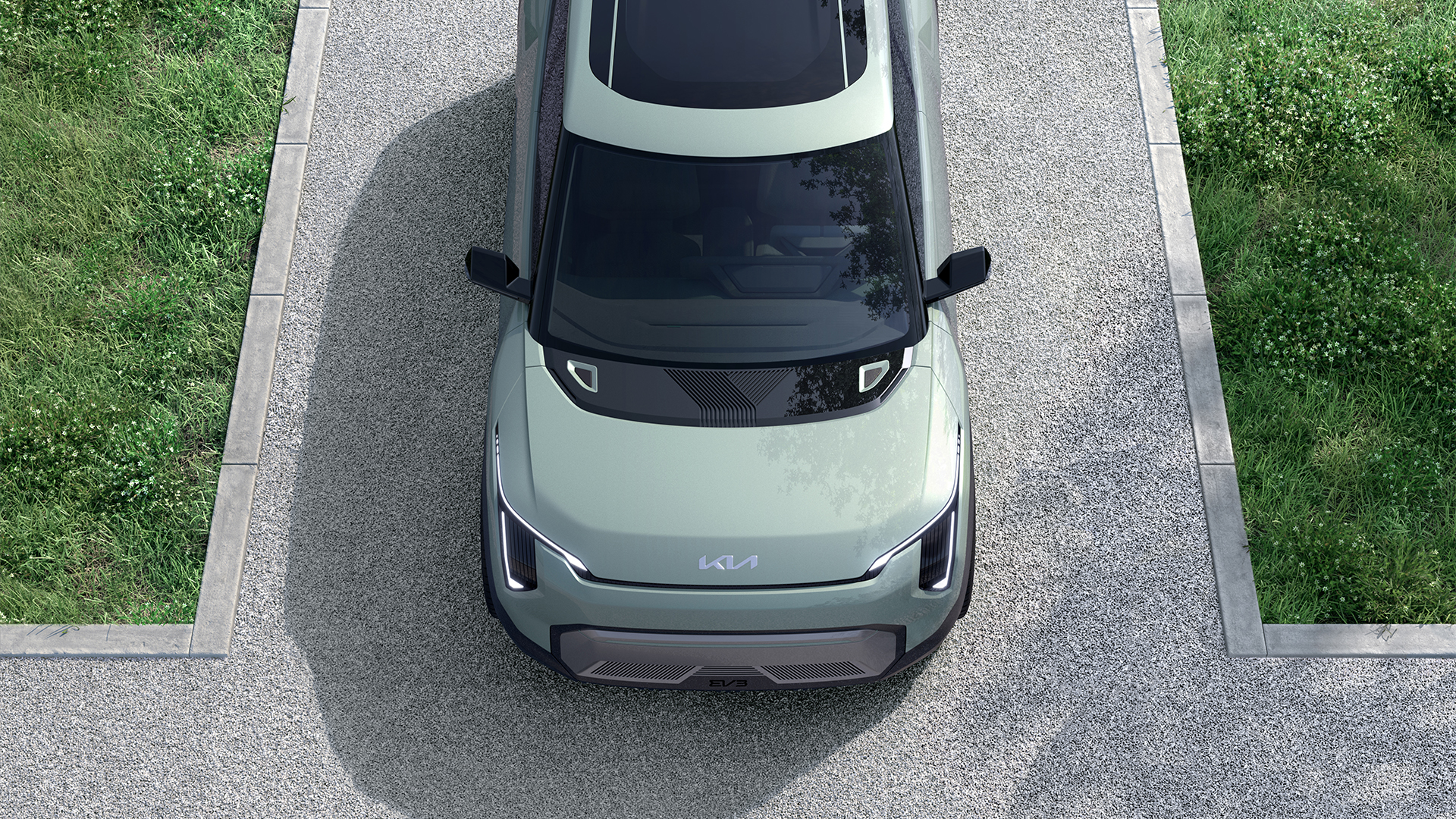
EVs often lack spare tires due to space and weight constraints. My EV includes a “frunk” for storage but no spare, meaning a flat tire requires a tow.
Two Batteries in an EV
My Kia EV6, like other EVs, features a 12V battery alongside the main battery. This smaller battery powers crucial systems but can also fail, leaving the car unable to start or charge. It’s important to remain mindful of this secondary battery, especially in cold conditions.
Performance and Tire Wear
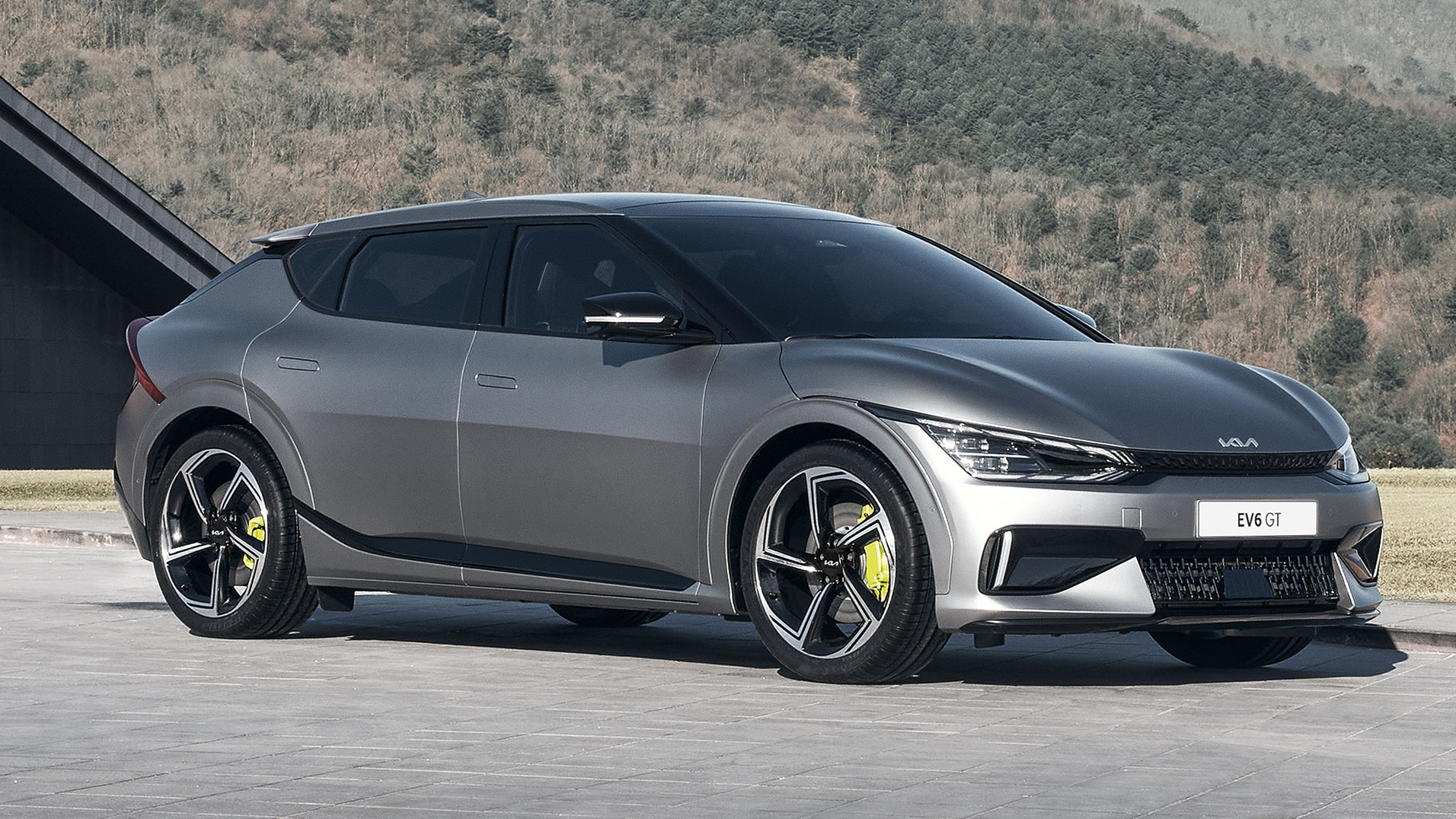
The rapid acceleration of EVs, like my Kia EV6, can be thrilling but also leads to faster tire wear. It’s crucial to maintain regular tire rotations to mitigate this effect.
Original Story at www.techradar.com