From our collaborating partner “Living on Earth,” public radio’s environmental news magazine, an interview by host Steve Curwood with Michael Klare, an emeritus professor of peace and security studies at Hampshire College.
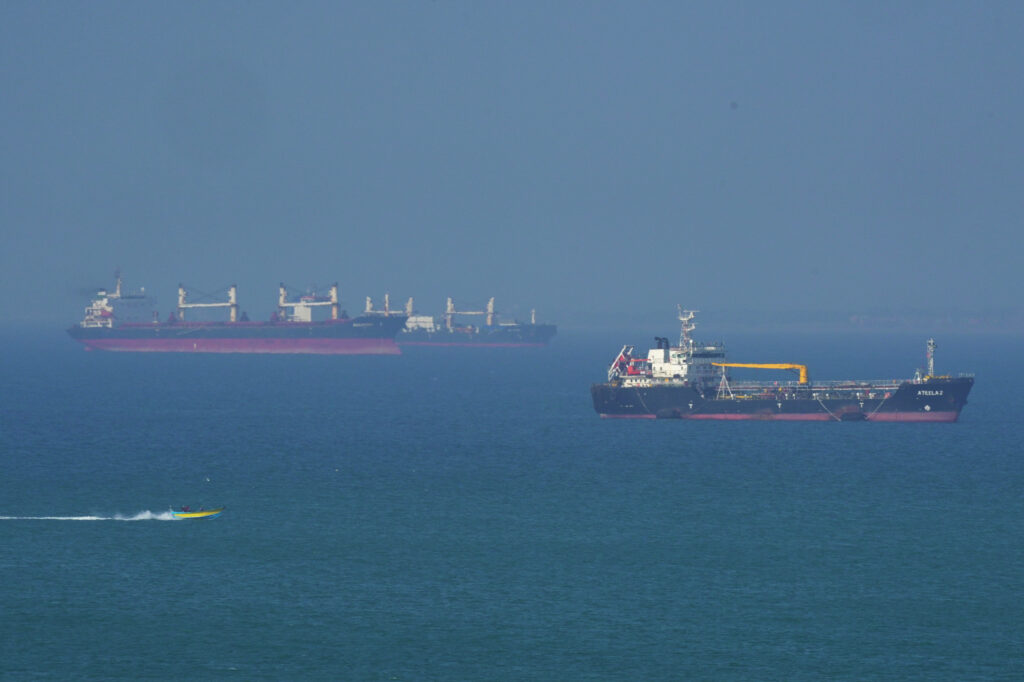
The U.S.-Israel joint conflict against Iran has disrupted global energy markets, closing the Strait of Hormuz and restricting the worldwide flow of oil and natural gas.
This is the latest in a series of conflicts over Iranian oil, but the rise of fossil-free energy sources is sparking discussions about ending our historical dependence on oil, known for its pollution and conflict potential.
Michael Klare, emeritus professor of peace and security studies at Hampshire College and defense correspondent for The Nation magazine, discusses these issues. The interview has been edited for brevity and clarity.
STEVE CURWOOD: You’ve written about war and the environment for years. What’s new here?
MICHAEL KLARE: A decade or so ago, we expected to be less reliant on oil by now. We anticipated peak oil demand by 2025, followed by a decline, with renewables becoming dominant. However, the world remains heavily dependent on oil and natural gas. The closure of the Strait of Hormuz highlights how vulnerable we still are to petroleum supply disruptions.
CURWOOD: In the 1920s, the U.K. tapped into oil sources in Kirkuk, now Iraq. How much has oil driven global conflicts?
KLARE: Historically, oil has been a major catalyst for conflict since Churchill’s era when he switched the British Navy to oil and nationalized the British Petroleum Company. Oil is frequently a central element in wars, such as the U.S. interest in controlling Venezuela’s oil industry. In Iran, controlling the flow of oil from the Persian Gulf, a key global oil and gas source, is a strategic objective in the ongoing conflict.
CURWOOD: Oil conflicts seem to benefit fossil fuel companies financially. Does their pursuit of profit fuel wars?
KLARE: Historically, controlling oil fields was paramount, with U.S. dependency on imported oil from regions like the Middle East. This led to conflicts over oil field ownership. Now, fossil fuel companies aim to slow the transition to renewables, focusing on maintaining oil reliance.
In light of the current crisis, there is global pressure to reduce oil dependence, acknowledging that renewables could mitigate energy crises.
CURWOOD: Given past energy crises, do renewable alternatives offer a different path now?
KLARE: Unlike in the past, we now have viable alternatives. This crisis might drive countries to accelerate the shift to renewables.
CURWOOD: The U.S. government currently opposes renewable energy advancements. How can this stance be reconciled with the disruptions of fossil fuel reliance?
KLARE: The current U.S. administration has reversed green energy initiatives, favoring oil and coal. This increases carbon emissions and risks falling behind countries like Germany and China in renewable installations, which would offer energy security.
CURWOOD: You have long studied peace and security. What gives you hope for the future based on what needs to be done?
KLARE: Despite challenges, there is growing awareness of the benefits of electric vehicles and renewable energy. Governments worldwide are reconsidering investments in fossil fuels, contemplating solar and wind power as sustainable alternatives.
Original Story at insideclimatenews.org