Republican lawmakers across several states and Congress are pushing proposals to protect polluters from climate accountability, potentially blocking liability for climate change damages as these issues and their costs escalate.
The initiative represents a counter-offensive emerging from various fronts, including Congress, the White House, courts, and state attorneys general offices nationwide. Numerous municipalities, states, and individuals have taken legal action against major oil and gas companies, accusing them of rising climate costs and misleading consumers about climate change risks. Meanwhile, some states are considering laws inspired by the federal Superfund program to retroactively impose liabilities on major fossil fuel producers and charge them to fund climate adaptation efforts.
However, these cases and potential climate superfund laws face possible challenges from the conservative-majority U.S. Supreme Court or the Republican-controlled Congress. Last month, the court agreed to hear a petition from Suncor and ExxonMobil, challenging a climate-damages lawsuit from Boulder, Colorado. The companies argue that Boulder’s claims are preempted by federal law. Should the court agree, it could set a precedent affecting similar lawsuits nationwide.
Republicans in Congress might act to grant the fossil fuel industry legal immunity, akin to the 2005 Protection of Lawful Commerce in Arms Act for gun manufacturers. Sixteen Republican attorneys general suggested in a letter to U.S. Attorney General Pam Bondi that legislation could be proposed to establish this type of liability shield. Recently, a Republican congresswoman confirmed such legislation is in development.
The Fossil Fuel Immunity Push
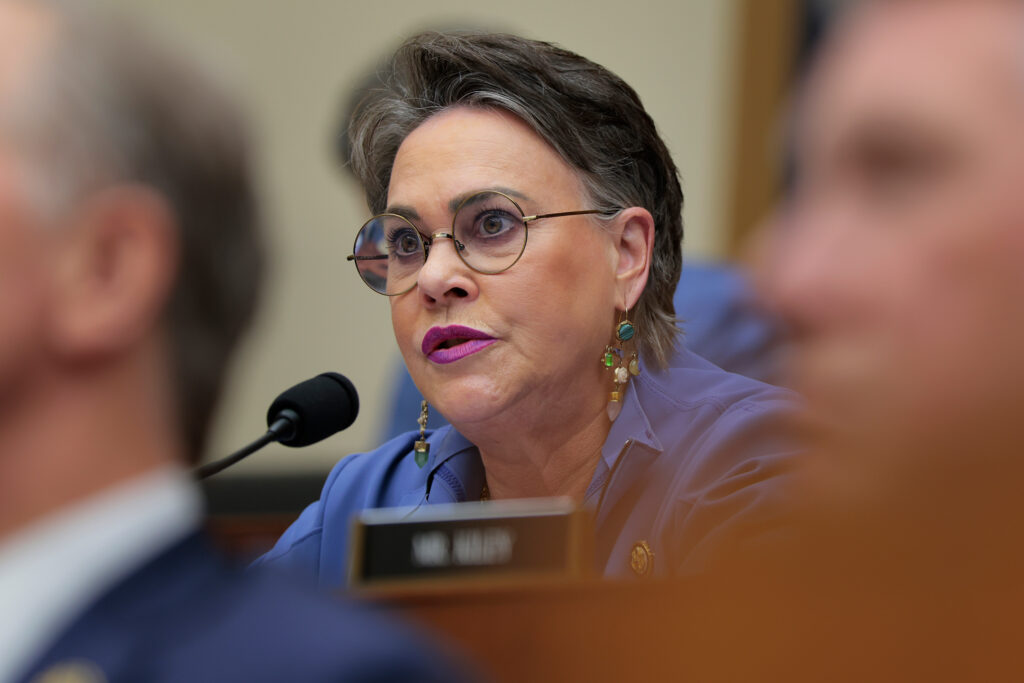
At a House Judiciary Committee oversight hearing, Rep. Harriet Hageman (R-Wyo.) criticized state climate laws and lawsuits, labeling them “extreme anti-energy policies.” With several climate lawsuits approaching trial, Hageman emphasized Congress’s role and announced efforts to draft legislation addressing state laws and lawsuits impacting energy affordability.
The specifics of this draft legislation remain unclear, and Hageman’s office did not respond to requests for comment. She mentioned to E&E News that there’s “absolutely” interest among her colleagues for legislation shielding energy companies from climate liability, describing it as a form of preemption that could prevent state and local liability actions.
Lobbying disclosures indicate that the American Petroleum Institute (API) is lobbying on “draft legislation related to state efforts to impose liability on the oil and gas industry.” API’s senior vice president, Ryan Meyers, stated that these lawsuits are part of a coordinated campaign against the industry, crucial for everyday life and the U.S. economy.
Cassidy DiPaola of the Make Polluters Pay campaign said the fossil fuel industry’s immunity push implies guilt. Iyla Shornstein from the Center for Climate Integrity commented, “If you haven’t done anything wrong, you don’t need immunity.” Nearly 200 advocacy groups urged Democratic leaders to oppose efforts shielding climate polluters from legal consequences, but received no response.
In 2020, Rep. Jamie Raskin led a coalition against a similar attempt by the oil and gas industry for legal immunity. Raskin’s spokesperson stated that fossil fuel companies continue to lobby for legislation absolving them of accountability, pledging to defeat such efforts.
State Liability Shield Bills
Republican lawmakers in at least five states are advancing similar bills to protect the fossil fuel industry. In Oklahoma, state Sen. Julie Daniels introduced the “Energy Security and Independence Act,” prohibiting climate change lawsuits against fossil fuel entities. In Utah, a similar bill is nearing enactment, barring liability for greenhouse gas emissions with limited exceptions. Rep. Carl Albrecht stated the policy aims to prevent power plant shutdowns and hopes other states follow Utah’s example.
Iowa is considering a bill similar to Utah’s, shielding agribusinesses from climate liability lawsuits. In Louisiana, the “Louisiana Energy Protection Act” blocks liability for climate damages from greenhouse gas emissions and preempts state climate-damage claims without approval from multiple state entities. In Tennessee, the “Tennessee Energy Freedom Act” prohibits liability for greenhouse gas emissions from fossil fuel activities.
Cassidy DiPaola stated these bills prioritize corporate profits over constituents’ interests and questioned if the law applies equally to everyone.
An “Un-American” Effort
The fossil fuel industry’s push for liability protections aligns with similar efforts by big tech firms, pesticide manufacturers, and private prison operators. Caitlin Howard from Breach Collective warned about the dangers of blanket immunity for corporate entities.
Former Washington Gov. Jay Inslee criticized the fossil fuel industry’s efforts to avoid jury trials, arguing it denies Americans their right to seek justice. Inslee described these efforts as “un-American” and predicted oil and gas executives would face accountability for misleading the public about climate change.
Original Story at insideclimatenews.org