From Baltimore to Honolulu, cities are asserting that oil companies should be financially responsible for their role in climate change.
Fossil fuel companies argue that such lawsuits should not take place in state courts, advocating instead for federal courts, which are seen as more receptive to their arguments.
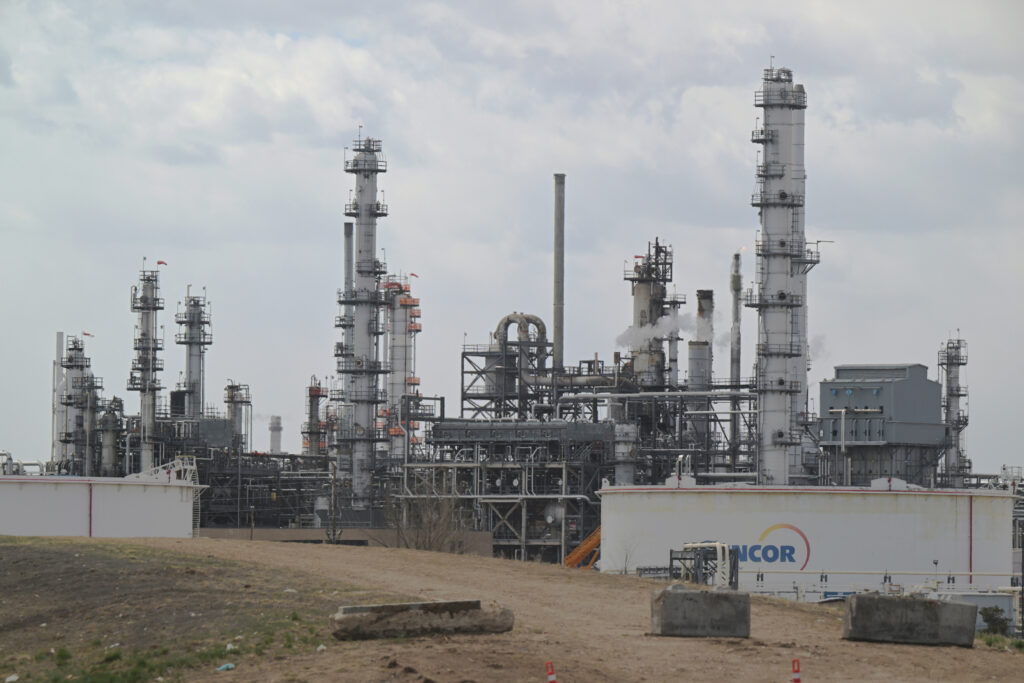
In May 2025, the Colorado Supreme Court allowed Boulder officials to proceed with a climate lawsuit against Suncor Energy and ExxonMobil. Now, the U.S. Supreme Court will hear the fossil fuel companies’ appeal.
“Oil companies have tried to delay our climate accountability case,” Boulder County Commissioner Ashley Stolzmann said. “We must hold them accountable for the harm they’ve caused to our communities.”
Boulder Mayor Aaron Brockett emphasized the case’s fairness, stating, “The financial burden of climate adaptation should not fall solely on local taxpayers.”
Neither Suncor Energy nor ExxonMobil commented on the court’s decision to hear their appeal.
The lawsuit claims that Suncor Energy and ExxonMobil’s actions in promoting fossil fuels have harmed residents’ health, safety, and welfare.
“Climate change will lead to more severe heatwaves, wildfires, droughts, and floods,” the lawsuit states. “These damages will multiply as climate change worsens.”
Exxon and Suncor sought case dismissal, but lower courts and the Colorado Supreme Court allowed the case to proceed.
The Trump administration and over two dozen states filed briefs urging the justices to consider the case.
In a brief, Alabama Attorney General Steve Marshall argued that cities like Boulder lack legal authority to sue out-of-state polluters.
The Supreme Court’s decision to hear the Colorado case marks a shift from its previous hands-off approach to climate litigation.
Another climate case involves a $745 million verdict against Chevron, with the decision pending before the court’s summer recess. Read more here.
Both the Colorado and Louisiana cases could impact other climate lawsuits nationwide.
The Supreme Court’s involvement has revived concerns about Justice Samuel Alito’s participation due to his fossil fuel investments.
Last year, Alito recused himself from a climate case involving ConocoPhillips due to his financial interest.
As the Supreme Court considers these issues, fossil fuel interests are seeking Congressional protection from climate litigation, with proposals similar to immunity for gun manufacturers.
Carly Phillips from the Union of Concerned Scientists said Exxon and Suncor’s efforts seek to avoid accountability. “Justice has been delayed for far too long,” she said.
Oral arguments have not yet been scheduled.
Original Story at insideclimatenews.org