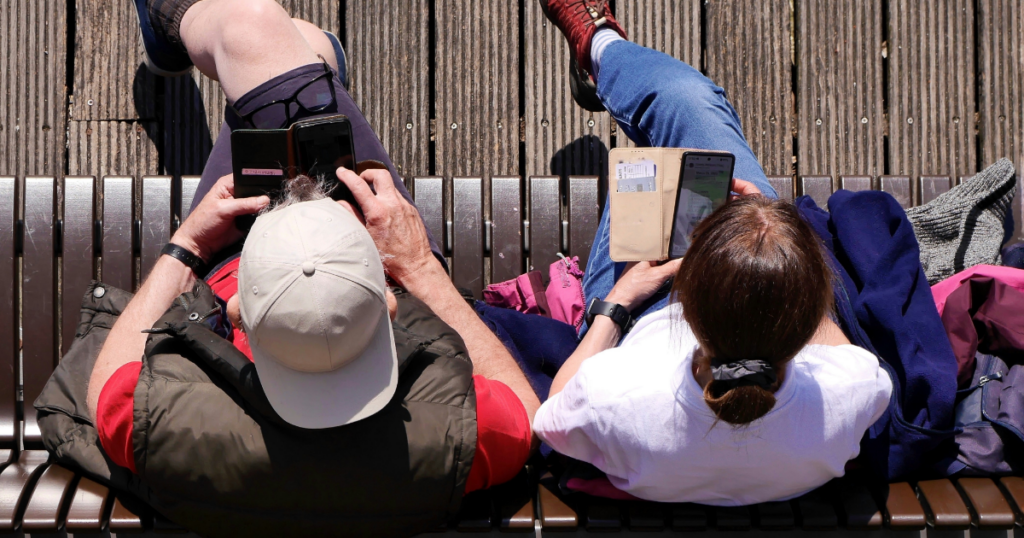
With the rise of social media, Americans are increasingly turning to these platforms for news. A recent study reveals that social media is becoming a crucial source of information, especially among those engaged with global warming issues. However, the spread of misinformation on these platforms poses a challenge to effective climate communication.
The Spring 2025 study highlights a significant shift, with a notable portion of Americans relying on social media for their most important news. This trend is even more pronounced among individuals who are more engaged with global warming. The dual role of social media in spreading information and misinformation necessitates a nuanced approach to climate communications.
Key Insights
When asked about their social media habits, 1,146 American participants reported their frequency of visiting 14 different platforms and the extent to which they hear about global warming on these platforms. Here are the findings:
- YouTube, Facebook, and Instagram are the most popular platforms across the spectrum of beliefs about global warming, known as Global Warming’s Six Americas.
- The segment identified as “The Alarmed” hears about global warming on social media more often than other groups.
Top Social Media Platforms in America
A staggering 94% of Americans use at least one social media platform weekly. The leading platforms are YouTube (72%), Facebook (64%), and Instagram (46%), reflecting their dominant reach across diverse audience segments.

Social Media and Global Warming Awareness
The study also examined the varying social media habits among the Six Americas, revealing consistent use of YouTube and Facebook, followed by Instagram, across all segments. Differences emerged in the usage of platforms like Bluesky, LinkedIn, and TikTok.

In terms of global warming discussions, 23% of Americans hear about it on social media monthly, with the Alarmed hearing about it more frequently than others. Specifically, 43% of the Alarmed encounter such information monthly, compared to lower percentages in other groups like the Dismissive (23%) and the Disengaged (8%).

Methodology
The insights are drawn from the Fall 2025 Climate Change in the American Mind survey conducted by the Yale Program on Climate Change Communication and the George Mason University Center for Climate Change Communication. The survey included 1,146 participants and was carried out using the Ipsos KnowledgePanel®, ensuring a representative sample of U.S. adults. Statistical significance was assessed with a margin of error of +/- 3 percentage points for the full sample.
Margins of error for each segment are specified as follows:
- Alarmed: +/- 6 percentage points (n = 286)
- Concerned: +/- 6 percentage points (n = 304)
- Cautious: +/- 7 percentage points (n = 192)
- Disengaged: +/- 12 percentage points (n = 66)
- Doubtful: +/- 8 percentage points (n = 160)
- Dismissive: +/- 8 percentage points (n = 137)
Original Story at climatecommunication.yale.edu