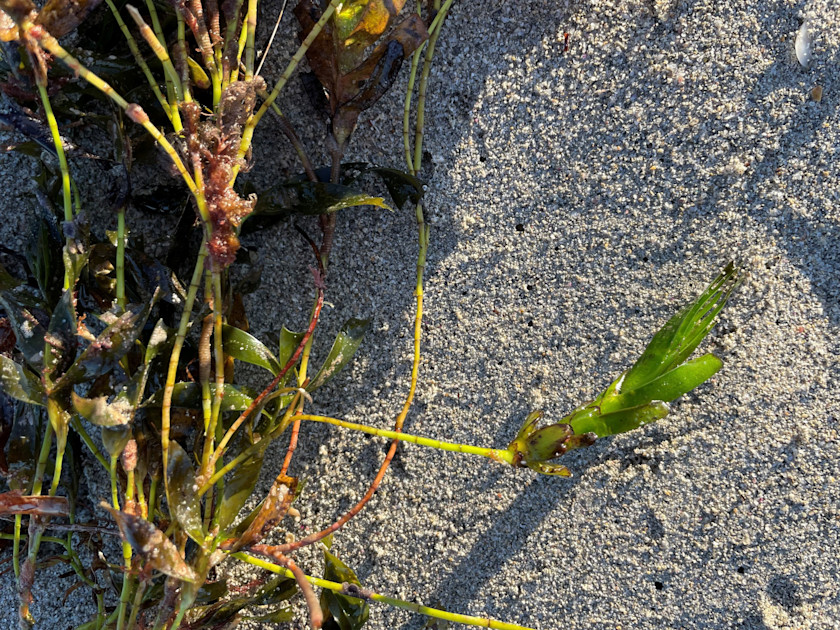
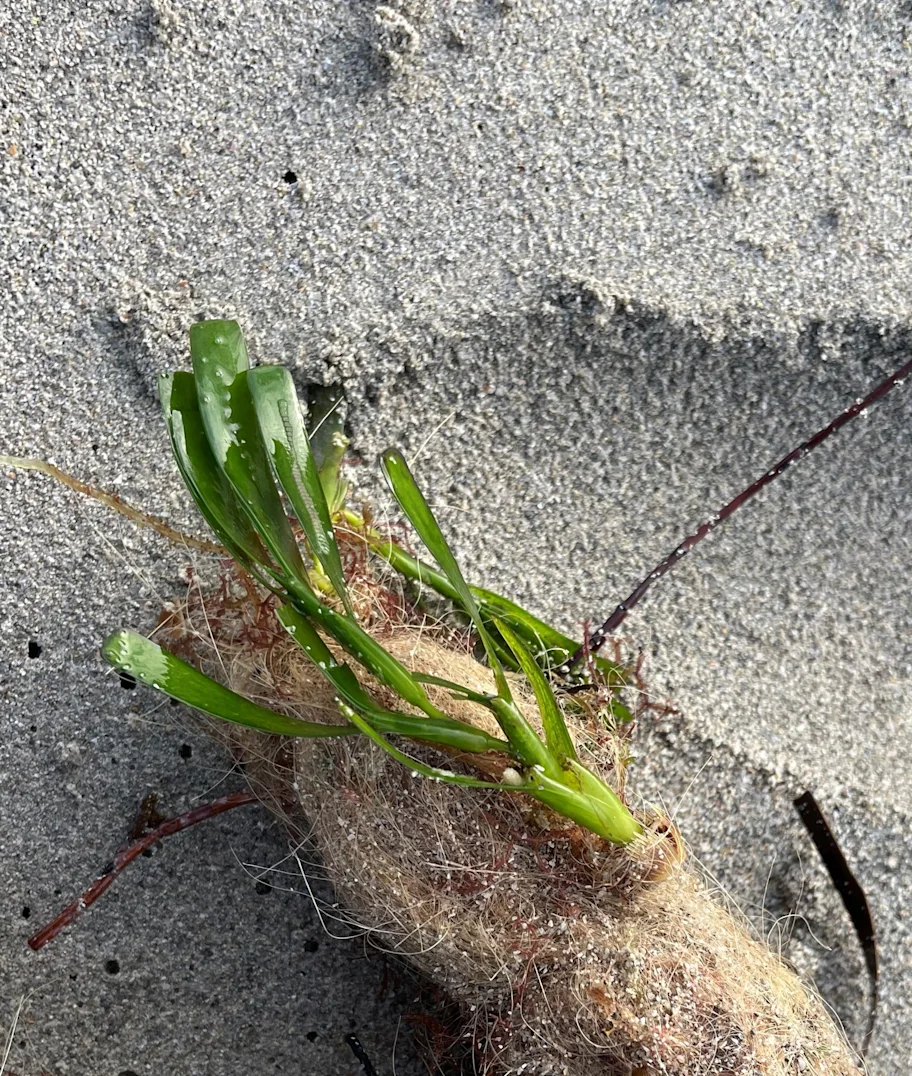
Seagrass meadows are vital ecosystems that require our protection and care. Recent studies have unveiled a simple yet effective method to help conserve one essential seagrass species, Amphibolis antarctica. By collecting their free-floating baby seedlings and replanting them, we can enhance their genetic diversity, crucial for combating disease, heatwaves, and other environmental threats.
Seagrass meadows serve as a crucial ecological element, offering food, shelter, and stability to various marine species. While the significance of these underwater gardens is well acknowledged, their reproductive processes have remained largely enigmatic until now. Fresh insights reveal that Amphibolis antarctica reproduces sexually, introducing new genetic individuals that can bolster the resilience of the meadows. By strategically planting these seedlings, we can not only ensure the preservation of genetic diversity but also rejuvenate endangered seagrass meadows.
“Seagrass meadows are like underwater gardens that quietly do a lot of work for us,” noted Prof Jennifer Verduin of Murdoch University, who led the research published in Frontiers in Conservation Science. “They provide nursery habitat and shelter for many types of critters such as fish and invertebrates, they provide food for dugongs and turtles, they provide oxygen, they help keep water clearer by trapping sediments — thereby reducing coastal erosion by holding sand in place — and they store carbon in their sediments. Healthier, more resilient seagrass meadows support better fisheries, clearer water, and more stable coastlines.”
The Complexity of Seagrass Reproduction
The reproductive strategies of seagrasses vary, with some capable of asexual reproduction, creating clones of the parent plant, while others, like Amphibolis antarctica, engage in sexual reproduction. This particular species is viviparous, meaning it produces live seedlings rather than seeds. Prof Verduin explained, “Viviparous is a word we usually hear with animals, but it can apply to plants too. It means that the young plant starts to grow into a seedling while it is still attached to the mother plant. A good way to picture it is that instead of dropping a small seed and hoping for the best, the plant releases a bigger starter plant that’s already partway grown.”
The researchers embarked on a mission to observe and understand the reproductive processes of seagrass both in natural habitats and controlled environments. Conducting dives in Western Australian waters, they collected male and female shoots to study the reproductive mechanisms. Their experiments involved setting up seawater tanks with different combinations of male and female plants, investigating if seedlings would develop in the absence of male plants.
Unveiling the Reproductive Process
Findings revealed that only female shoots in the presence of male shoots began forming seedlings. Meanwhile, all male flowers in oceanic meadows released their pollen within 60 days, and 50 days later, seedlings started to appear. Approximately 70% of the female flowers produced seedlings through sexual reproduction, confirmed by observing pollen tubes and embryo formation under a microscope. Prof Verduin highlighted, “Seedlings emerge after underwater pollination and fertilization.” This process underscores the importance of genetic diversity for seagrass populations, enhancing their ability to withstand environmental challenges.
The implications of this research are profound for conservation efforts. It suggests that seedlings can be harvested to establish new meadows or restore depleted ones without harming existing populations. However, caution is advised against excessive reliance on specific patches to prevent genetic homogeneity among replanted meadows. Prof Verduin emphasized, “This information can be used to design better restoration strategies. For example, by making sure restoration projects do not rely on a single local patch, and by protecting the conditions that allow flowering, pollination, and seedling release.”
Ultimately, this research advocates for conservation practices that preserve both seagrass and the vital life cycle processes sustaining their meadows. Simple actions like avoiding dredging or anchoring in key areas could contribute significantly to the long-term health of these vital ecosystems.
REPUBLISHING GUIDELINES: Open access and sharing research is part of Frontiers’ mission. Unless otherwise noted, you can republish articles posted in the Frontiers news site — as long as you include a link back to the original research. Selling the articles is not allowed.
Original Story at www.frontiersin.org