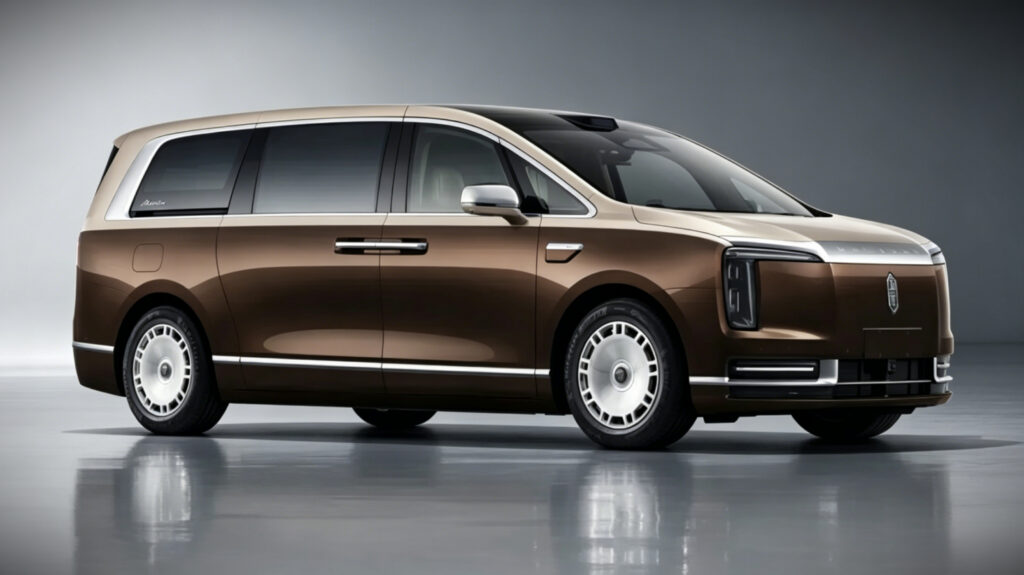
In recent years, the average weight of passenger vehicles in China has seen a notable rise. Data from state broadcaster CCTV reveals that from 2012 to 2024, the average curb weight of new cars increased from 1,312 kg to 1,704 kg. This 392 kg surge highlights an accelerating trend, with the most significant gains occurring between 2020 and 2024.
EV Batteries: A Significant Factor
Industry analysts largely attribute this weight increase to China’s rapid shift towards electric vehicles (EVs). With current battery technologies such as lithium iron phosphate (LFP) and ternary lithium being limited by energy density, manufacturers often install larger battery packs to extend driving range, which in turn adds to the vehicle’s weight.
Mainstream new energy vehicles (NEVs) now typically feature battery packs weighing between 500 kg and 650 kg, with long-range models reaching up to 800 kg. The addition of electric motors, power electronics, and reinforced structures for battery safety further contributes to the overall mass.
Moreover, consumer preferences are leaning towards larger vehicles like full-size SUVs and luxury MPVs, prompting manufacturers to increase vehicle dimensions and incorporate additional comfort features.
The Premium Segment’s Weight Increase
The trend towards heavier vehicles is particularly evident in China’s premium vehicle segment. The newly launched Maextro V800, for instance, is a 5.5-meter-long luxury MPV with a curb weight of about 3.2 tonnes, and a gross vehicle weight of 3.8 tonnes.
According to China EV DataTracker, larger vehicles remain popular in the market. The Maextro brand delivered 1,147 units of its S800 model in April 2026, marking a 46.5% increase from the previous month. This consistent demand for large, flagship models indicates that consumers remain interested even as vehicle weights rise above 3 tonnes.
To counteract the weight issue, battery technology advancements are being pursued. In April, CATL introduced its third-generation Qilin battery and a condensed matter battery with an energy density of 350 Wh/kg. These innovations could allow for similar ranges with lower battery mass, potentially reducing overall vehicle weight.
Challenges and Regulatory Responses
While heavier vehicles bring benefits such as improved range and enhanced safety, they also pose challenges like increased energy consumption and accelerated wear on tires and brakes. Reducing a vehicle’s weight by just 100 kg can decrease electricity consumption by approximately 7.5% per 100 km, as per industry estimates.
Additionally, heavier vehicles contribute to greater demand for battery materials, higher emissions during manufacturing, and increased road wear.
To address these issues, Chinese regulators are implementing stricter efficiency standards. The national standard “Limits of Energy Consumption for Electric Vehicles Part 1: Passenger Cars” became effective on January 1, 2026, and introduces more rigorous energy-consumption requirements. Furthermore, new tax incentives for 2026 stipulate that battery-electric vehicles exceeding 2,710 kg must meet specific electricity consumption levels to qualify for tax reductions.
As automakers navigate these regulatory changes, investments in lightweight materials and advanced battery chemistries are becoming crucial. With ongoing advancements in battery technology, reducing vehicle weight may soon be as critical as extending driving range in China’s evolving EV landscape.
Original Story at carnewschina.com