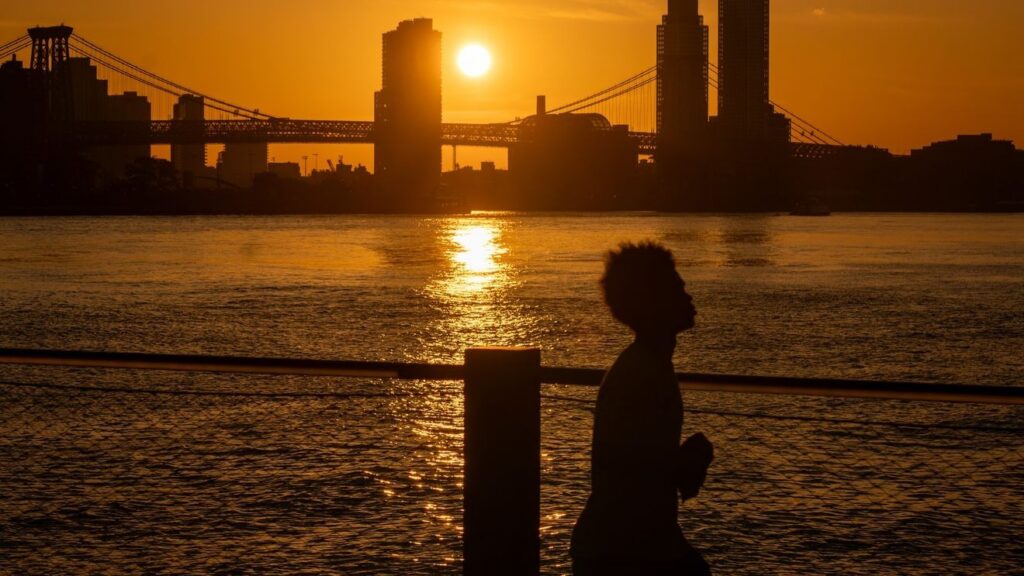
Amidst a blistering summer heatwave, Americans are feeling the pinch of rising electricity costs as they strive to keep their homes cool.
Households across the United States are anticipated to spend nearly $800 on cooling expenses this season, marking a 10.5% increase from the previous year and about 40% more than in 2020, as reported by the National Energy Assistance Directors Association. This surge in costs coincides with record-breaking temperatures that are stretching the capacity of electric grids and consumer budgets.
Regional Disparities in Electricity Prices
Electricity price hikes are a nationwide phenomenon, yet the impact varies significantly depending on location. Data from the U.S. Energy Information Administration reveals that residents in Hawaii, Connecticut, Massachusetts, and California pay the highest electricity rates in the country. The underlying causes differ by state, with energy policy becoming a contentious political issue.
President Donald Trump has been vocal in his criticism of renewable energy, particularly wind and solar power. During a discussion in the Oval Office, he labeled wind power as “too expensive” and claimed it “just doesn’t work.”
POMEROY, IOWA – JULY 05: A power-generating wind turbines tower over the rural landscape on July 05, 2025 near Pomeroy, Iowa. The Trump administration’s One Big Beautiful Bill Act is expected to negatively affect the clean energy sector by eliminating tax credits that have helped to spur the growth of wind and solar energy production. Iowa has more wind turbines than any other state with the exception of Texas, a state more than 4 times its size. (Photo by Scott Olson/Getty Images)
Political and Infrastructure Influences
David Holt, president of the Consumer Energy Alliance, suggests that states with stringent energy mandates face the most significant consumer cost burdens. He stated, “I really didn’t want to make it a red state, blue state issue, but it is. Those states that have been very restrictive in their energy policy, that have had energy mandates saying you have to buy this many electric vehicles or you can’t use natural gas, those are the states that are paying the most now for electricity.”
A study by Always On Energy Research supports Holt’s view, finding that nearly 90% of states with electricity prices above the national average supported Democratic candidates in the last two presidential elections, while the majority of states with the lowest prices voted Republican.
However, experts advise that factors beyond politics contribute to electricity pricing. In California, utilities have invested heavily in reinforcing power infrastructure against wildfires, while New England faces challenges from outdated transmission systems and limited natural gas pipelines. Rising demand, inflation, fuel costs, and efforts to modernize the grid also play crucial roles in escalating utility bills.
Strategies to Mitigate Demand
The ongoing heat waves have underscored these issues. New York City’s Mayor Zohran Mamdani recently urged residents to set their thermostats to 78 degrees to ease the burden on the electric grid during peak consumption periods.
As electricity costs continue to rise and energy affordability remains a pressing issue for voters, discussions on how to achieve a balance between reliability, cost-effectiveness, and clean energy objectives are expected to persist.
Original Story at fox17.com