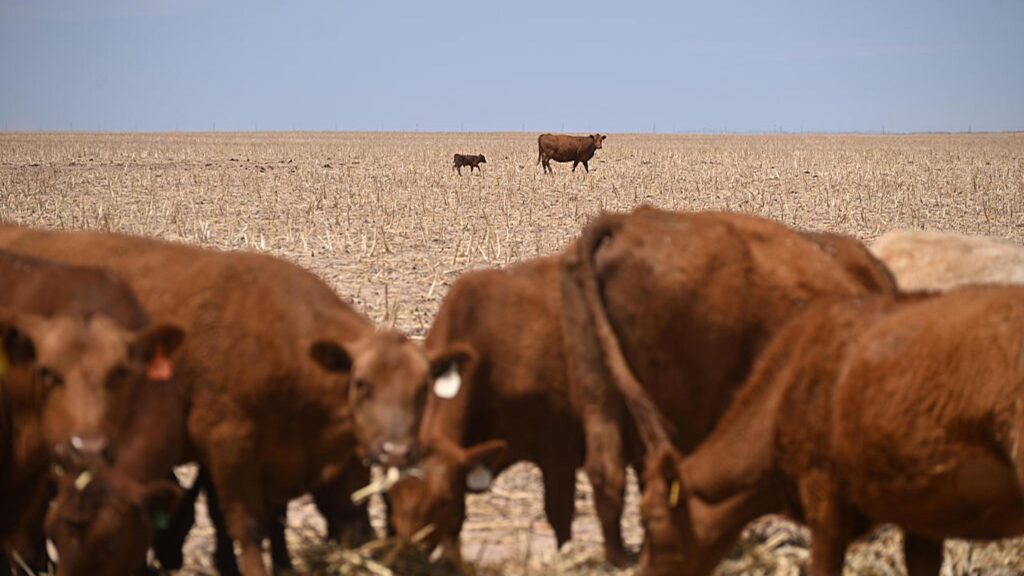
The United States Faces Record-Breaking Spring Drought
In an unprecedented turn of events, the United States has encountered its most severe spring drought on record. Last month, more than 60% of the land in the contiguous states was classified as experiencing moderate to exceptional drought conditions. This alarming situation has raised significant concerns among farmers and environmentalists, who fear potential disruptions to food supply and the emergence of wildfires in typically unaffected regions.
The southeastern United States is bearing the brunt of this drought, with an astounding 99.81% of the region affected at its peak in April, per the U.S. Drought Monitor. The severity of the drought exceeded 80% in this region, marking the highest levels since the Drought Monitor began data collection in 2000.
Notably, Georgia, North Carolina, and South Carolina have been grappling with exceptionally dry conditions since September 2025, with records dating back to 1895. Despite some recent rain alleviating conditions in parts of the Deep South and Texas, the situation remains dire in southeastern Alabama, Georgia, and northwestern Florida, where soil moisture and streamflows are critically low.
Impact on Agriculture
As the drought endures, the threat to agricultural productivity looms large. Key crops, including wheat in Kansas and vegetables in Georgia, are at risk. Farmers already face numerous challenges, including tariffs and rising fertilizer costs linked to the ongoing conflict in Iran, further exacerbated by fuel price hikes. “We had to stop planting because it’s so dry,” lamented one farmer, highlighting the financial strain with diesel prices soaring.
The situation is particularly concerning for wheat farmers in the Great Plains during the crucial late April to early May period as winter wheat matures. The USDA forecasts that wheat acreage could plummet to its lowest since 1919, compounding worries about food supply and prices.
Rachel Cleetus, senior policy director with the Climate and Energy Program at the Union of Concerned Scientists, emphasized in a recent blog post that climate change is “fundamentally altering conditions for U.S. agriculture,” posing unprecedented risks to farmers and potentially driving up consumer food prices.
Wildfire Concerns
The drought’s impact extends beyond agriculture, igniting wildfires even in traditionally wetland regions like the South Florida Everglades. NASA reports that 120,000 acres have already burned in Florida this year, marking the most extensive and severe drought in the state since 2012. “Florida has got one of the worst fire seasons in maybe the last 30 or 40 years,” stated Florida Agriculture Commissioner Wilton Simpson to CBS.
In Georgia, Governor Brian Kemp declared a state of emergency in 91 counties in late April due to rampant wildfires, enabling the state National Guard to assist affected areas. Notably, May 7 marked the first day without new wildfires in Georgia since December 2025, according to state records.
Original Story at time.com