Second in a series about rising electricity prices in Pennsylvania.
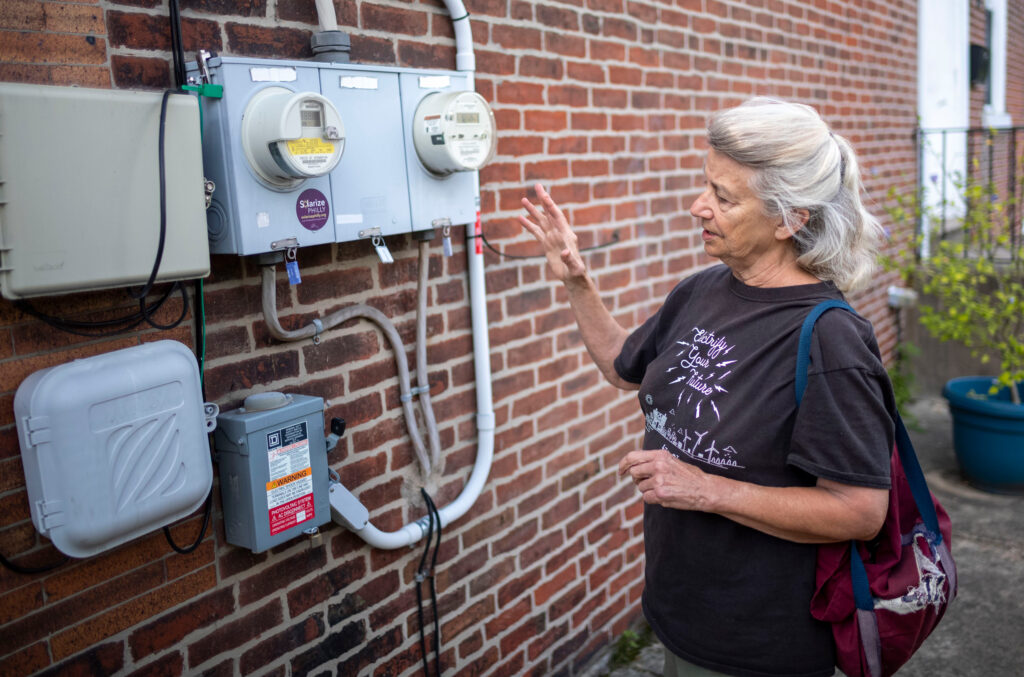
PHILADELPHIA—Amid Philadelphia’s landscape, a rowhouse is marked by a Solarize Philly logo sticker on its electric meter, indicating a shift towards solar energy. Liz Robinson, executive director at the Philadelphia Solar Energy Association, installed solar panels on this rental property nearly a decade ago. “I expected a 10-year return, but rising electricity prices shortened it to less than nine years,” she said.
Robinson’s solar setup powers her rental property and covers 60% of her home’s electricity. Pennsylvania, once a renewable energy pioneer, passed a law in the early 2000s mandating a portion of its electricity come from alternative energy sources. In 2010, then-Gov. Ed Rendell hailed the state’s progress in wind and solar energy growth.
However, Pennsylvania’s energy landscape shifted as fracking grew. Natural gas was promoted as a transition fuel. Today, 60% of the state’s electricity comes from natural gas, while only 4% is from renewables.
Pennsylvania ranks 49th for renewable energy growth in the U.S. and 41st for utility-level solar. The state’s reliance on gas ties electricity prices to global market fluctuations, impacting local consumers. In contrast, Texas saw substantial gains in renewables, with electricity prices lower than Pennsylvania’s, according to federal data.
Data centers are expected to increase electricity demand drastically in the next five years, driving further natural gas investments. Yet projects for renewable energy face significant delays at PJM Interconnection, the grid manager for parts of 13 states, with a backlog of unapproved projects.
“Clean Energy Now”
Robinson attributes Pennsylvania’s stalled renewable progress to political shifts. “The change in the Republican Party is the story here,” she noted. As Tea Party candidates rose, bipartisan support waned. Rep. Greg Vitali highlighted the legislature’s climate denial, saying, “It goes beyond an intellectual disagreement.”
Legislative gridlock has impeded efforts to update policies like the Alternative Energy Portfolio Standard. Despite past negotiation successes, current partisanship stifles energy reforms. Meanwhile, public support for renewables remains high according to a survey.
PJM’s interconnection delays hinder Pennsylvania’s renewable potential. Hundreds of renewable projects are stalled, costing consumers and stifling competition. PJM blames delays on external factors, but critics assert the need for a faster process to lower energy bills.
“New competition is being blocked by this outmoded, vastly delayed interconnection system.”
— Elowyn Corby, Vote Solar
Pennsylvania’s energy policy is also shaped by external investments. At a recent summit, $90 billion in data center deals tied to natural gas were announced, potentially extending the state’s reliance on gas. Rising costs for gas drilling and infrastructure add further complexity.
Robinson and others find hope in residential solar systems, which can bypass PJM’s bottleneck. More residents are installing solar panels as a personal initiative against rising electricity costs.
“It’s important that we remember Pennsylvania’s ability to do good things on energy has not been exclusively on the side of fossil fuels.”
— Elowyn Corby, Vote Solar
Pennsylvania has the potential to rebound in renewables, needing political changes to unlock its capabilities. Robinson believes even slight shifts in legislative power could lead to significant developments.
Original Story at insideclimatenews.org