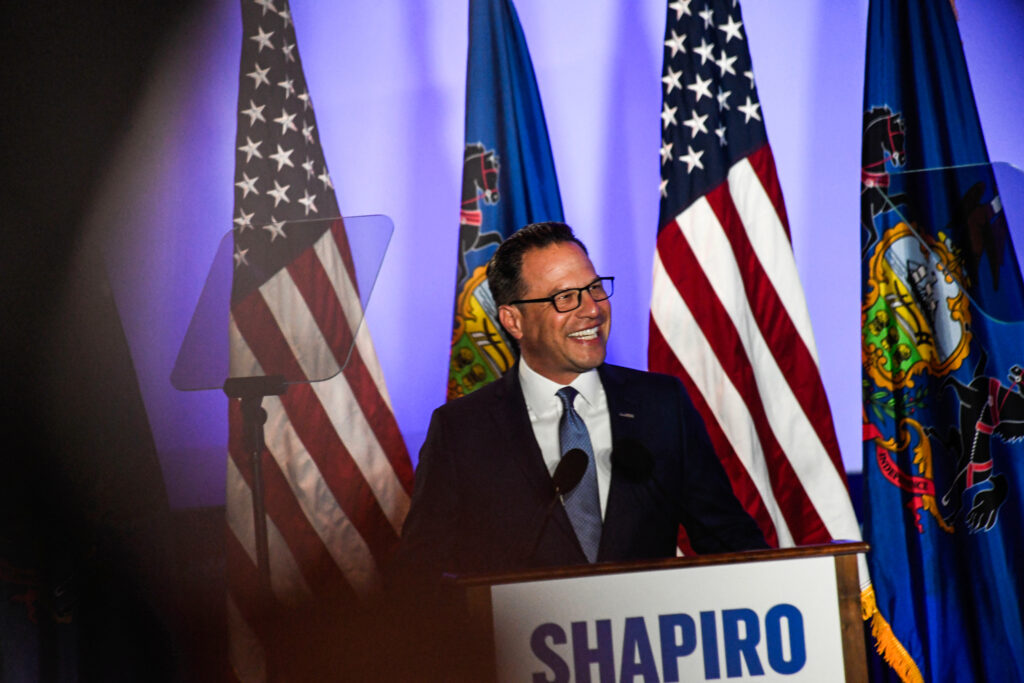
Pennsylvania Governor Josh Shapiro has presented a plan to mitigate rising energy costs by requiring AI data centers to manage their own energy needs. This initiative, coined “bring your own energy” (BYOE), aims to tackle the increasing household electricity rates that surged nearly 14% last year in a state pivotal to AI data center expansion.
The policy raises questions about its impact on consumer energy costs and Shapiro’s political standing in this year’s elections. Requiring data centers to provide their energy is a growing trend among political leaders. However, experts stress the importance of specific policy details.
John Quigley, former Secretary of Pennsylvania’s Department of Environmental Protection, emphasized that natural gas currently drives data center growth. However, due to demand for gas turbines and overseas gas shipments, he questions gas’s immediate viability for new electricity generation.
Elizabeth Marx, Executive Director of the Pennsylvania Utility Law Project, suggests an alternative policy: Bring Your Own New Clean Energy (BYONCE). The discussion on energy policies continues as stakeholders await developments from Shapiro, who is keen on attracting the AI data center industry to Pennsylvania.
In February, Shapiro introduced the “Governor’s Responsible Infrastructure Development (GRID) Standards” to address data center concerns, including ensuring that data centers provide their energy to receive state support. However, the extent of Shapiro’s ability to enforce compliance remains unclear.
The policy details released address public concerns about data center impacts on communities, the environment, and utility bills. Shapiro emphasized accountability in protecting consumers and strengthening communities.
The GRID standards focus on energy affordability, transparency, economic development, and environmental protection. Developers must create or purchase additional electric capacity and gradually shift to clean energy sources, like nuclear and solar, reaching 32% by 2035. Developers will also cover grid infrastructure upgrade costs.
Quigley acknowledges that while the BYOE and infrastructure cost provisions are significant steps, the divided Pennsylvania legislature poses challenges. The nonprofit Food & Water Watch criticized GRID as naive, relying largely on voluntary measures.
The Shapiro administration plans to work with legislative leaders to legislate the GRID Standards. Policy experts are closely observing the implementation. In light of climate impacts, Claire Lang-Ree of the NRDC advocates for policies like BYONCE to enhance renewable energy use. She highlights the importance of battery storage and renewable resources for clean energy targets.
Robert Routh of NRDC noted the significance of GRID standards in advancing clean energy affordability. Provisions like requiring solar-ready roofs for large data centers are steps forward. Elizabeth Marx emphasized the need to address transmission costs, which could lead to a second wave of cost increases if not managed.
Quigley noted the need for a comprehensive energy policy, including incorporating battery storage and modernizing the grid. Quigley and others stress the necessity of legislative action, as many agencies struggle with outdated regulations.
One potential model for BYOE in Pennsylvania is Three Mile Island, where Microsoft and Constellation Energy plan to restart a nuclear plant to power data centers. However, the plan’s effectiveness is unclear, as energy might be exported out of state.
Microsoft’s project faces challenges like transmission line construction delays, possibly postponing the nuclear plant’s restart until 2031, raising consumer cost concerns. An initial PJM analysis shows Constellation responsible for significant infrastructure costs.
Despite challenges, the GRID standards aim to balance hidden costs and climate considerations while ensuring data center development doesn’t burden consumers. The Pennsylvania Public Utility Commission issued a “model tariff” to safeguard consumer interests, aligning with Shapiro’s GRID standards.
With limited enforcement power, Shapiro’s administration relies on the Fast Track permitting program and potential legislative actions to ensure compliance. House Bill 1834, with BYOE and clean-energy provisions, remains stalled in the legislature. FERC and PJM, crucial regulatory bodies, remain beyond state control, complicating the implementation of comprehensive data center policies.
NRDC’s Lang-Ree points out PJM’s proposals for requiring new energy generation in data centers. However, state regulators must ensure compliance. Quigley emphasized the complexity of developing effective policies, highlighting the need for collaboration between various stakeholders to address energy challenges.
Original Story at insideclimatenews.org