Pakistan Unveils Comprehensive Auto Policy Emphasizing EVs and Affordability
The government of Pakistan has taken a significant step forward by introducing a new automotive policy aimed at making vehicles more affordable, with a particular focus on electric vehicles (EVs). This move is expected to bolster local manufacturing and exports while also addressing environmental concerns.
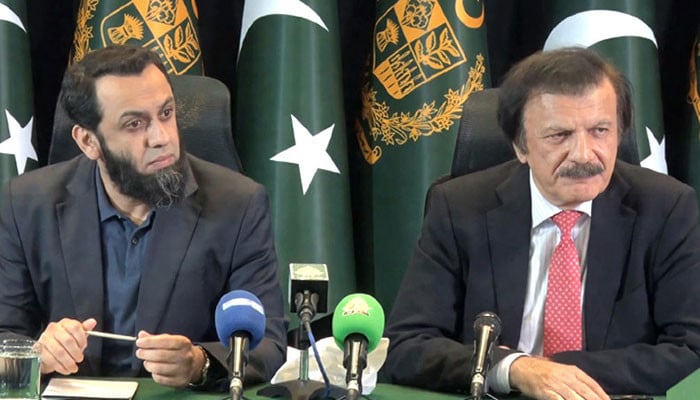
In a joint press conference held in Islamabad, Information Minister Attaullah Tarar and Adviser to the Prime Minister for Industries and Production Haroon Akhtar Khan unveiled the new policy. Highlighting the policy’s objectives, Tarar stated that the initiative seeks to enhance local vehicle production and exports, ensuring that consumers have access to affordable, high-quality, and eco-friendly options.
The policy, eagerly anticipated by industry stakeholders, was crafted through extensive consultations and analysis of international models. Tarar emphasized that despite previous high import duties intended to protect local manufacturers, the industry lagged in innovation and consumer offerings.
Prime Minister Shehbaz Sharif has directed efforts to accommodate the middle class in the auto sector, noting the rising use of electric scooters among women and girls. Tarar mentioned that promoting EVs is not only environmentally beneficial but also crucial for reducing Pakistan’s hefty oil import bill, which directly impacts the economically disadvantaged.
The new policy is touted as comprehensive, with incentives for EVs and a focus on local manufacturing. It maintains existing facilities for petrol-driven vehicles up to 800cc, considering environmental and economic factors. Measures like customs duty exemptions and reduced sales tax on charging stations support this clean energy shift.
Tarar encouraged manufacturers to establish plants in Pakistan, produce and export vehicles, thereby making quality vehicles more affordable for citizens. He also noted that the cost of petrol significantly affects household budgets and that reducing the oil import bill would alleviate inflationary pressures.
Haroon Akhtar outlined the policy’s six pillars: affordability, export enhancement, EV promotion, localization, safety improvements, and transparency. Reduced import duties aim to lower manufacturing costs, benefiting low-income consumers. Additionally, vehicle pricing below 1300cc is prioritized under the premier’s directives.
Akhtar also highlighted efforts to boost localization and export of automobiles, addressing past market monopolies that stifled innovation. The policy aims to increase competition, with the prime minister underscoring the benefits of new manufacturers entering the market.
In response to queries about non-custom-paid vehicles in Khyber Pakhtunkhwa, Tarar noted the establishment of a transparent system to ensure vehicle registration and compliance, addressing past security concerns related to unregistered vehicles.
Original Story at www.geo.tv