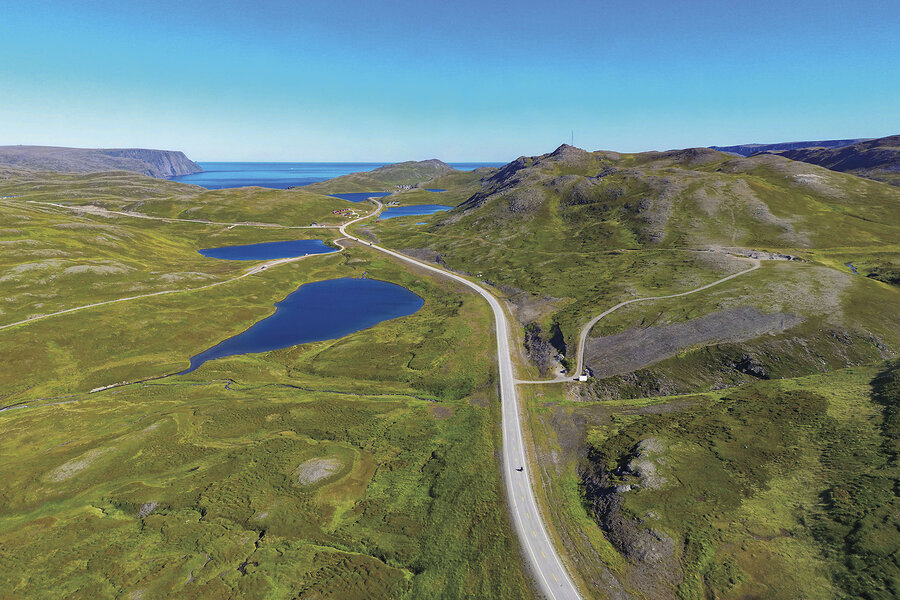
Amidst the scenic beauty of Norway’s fjords and forests, a pressing energy dilemma is unfolding, challenging the nation’s ability to maintain its green energy reputation. As Norway grapples with a growing energy deficit, the decisions made here could potentially serve as a model for global energy solutions.
Energy Demands on the Rise
In the industrial heartland of Porsgrunn, Norway, the allure of cheap, abundant hydropower has long attracted businesses. This area, characterized by both its natural beauty and industrial activity, is now at the center of a significant energy challenge. Google is investing $700 million into a new data center in nearby Skien, a move underscoring Norway’s appeal for data-intensive industries. However, the energy demands of such projects are immense, with hydropower resources no longer as bountiful as they once were.
Once thriving on energy surpluses, Norway is now facing deficits. Suggestions to expand wind power face significant opposition from voters, particularly in areas like Lannerheia near Porsgrunn.
The Wealth Factor
Norway’s vast oil reserves discovered in the 1970s led to the creation of the world’s largest sovereign wealth fund, now valued at $2.2 trillion. This financial cushion has facilitated the transition to electric vehicles, with 98% of new car sales being EVs. However, the reliance on wealth to sidestep hard energy choices may no longer be feasible.
Experts believe Norway’s path forward will test its ability to innovate and unite amid political divisions. The country needs to decide whether to leverage its wealth as a tool to foster new energy solutions or continue using it as a means to avoid difficult decisions.
EV Revolution in Norway
Norway’s transition to electric vehicles is an exemplary model of how economic incentives can drive sustainable choices. Tax exemptions and a robust charging infrastructure have made EVs more cost-effective than gasoline cars. As Erik Telle, a recent EV owner, describes, despite initial hesitation, the economic logic of owning an electric car is compelling.
Unni Berge from the Norwegian EV Association notes that the government initially funded charging stations, but commercial investments have since taken over, further boosting the EV market.
Norwegian auto buyers, like Dag Arne Ribe, recognize the economic benefits, with EVs like Tesla being more affordable than traditional brands. “There’s not a single argument that you’d rather have a fossil-fuel car than an electric,” he states.
Finding Energy Solutions
The challenge of growing energy demands is palpable in Skien, where Mayor Marius Roheim Aarvold faces pressure from businesses for more power. Despite seeing wind energy as a solution, voter opposition remains strong. The need for energy is critical, especially with the development of facilities like Google’s data center.
Norway’s reluctance to embrace wind power is rooted in preserving its landscapes. A study showed only 37% support for wind energy nationwide. Yet, former mayor Hedda Foss Five suggests that embracing industrial traditions could help reconcile the energy needs with environmental concerns.
Innovative Approaches
In Oslo, data centers are being integrated into the energy ecosystem as sources of heat. Ulven Energy Central utilizes heat from a neighboring data center to warm local neighborhoods, showcasing how excess heat can be repurposed effectively.
Meanwhile, in Skien, innovative ideas are being considered, such as using the data center’s heat for large-scale agriculture. However, the path forward requires collaboration and a willingness to explore new solutions while respecting Norway’s natural heritage.
Original Story at www.csmonitor.com