
In a surprising shift, new dietary guidelines emphasize increased consumption of meat and dairy, sparking debates over health and environmental impacts. This marks a significant move away from traditional recommendations that have advised limiting these foods for better health and environmental sustainability.
—
Recently, U.S. officials introduced revised dietary recommendations that prioritize greater intake of meat and dairy products, suggesting they are vital for protein needs. This new direction comes despite concerns about their environmental toll. Health Secretary Robert F. Kennedy Jr. and Department of Agriculture Secretary Brooke Rollins announced the revised food pyramid, which places meat and milk products alongside fruits and vegetables at the top. Kennedy emphasized, “Protein and healthy fats are essential and were wrongly discouraged in prior dietary guidelines,” signaling a shift from previous policies that viewed saturated fats and processed foods critically.

This dietary shift contrasts sharply with previous national and international guidelines that have traditionally advised reducing red and processed meat and high-fat dairy for health and environmental benefits.
The Shift in Dietary Guidelines
The original food pyramid introduced by the USDA in 1992 recommended a base of six to 11 servings of carbohydrates like bread and pasta, along with a balanced intake of vegetables, fruits, and limited meat and dairy. Over the years, these guidelines faced criticism for not differentiating between types of carbohydrates, among other issues, leading to the pyramid being replaced in 2011 with a plate format under the Obama administration.
However, the recent overhaul has brought back the pyramid with notable changes. Despite warnings from health experts about the risks of high sodium and saturated fat in red meat and full-fat dairy, the new guidelines advocate for increased protein intake without substantiated evidence of protein shortages in American diets. These guidelines also influence food choices in schools, federal cafeterias, and other government-supported meal programs.
Kennedy, who has criticized ultraprocessed foods, indicated this shift last year, challenging nutritionists with his views. He has often opposed expert advice, such as dismissing the benefits of seed oils and advocating for beef tallow as a healthier alternative.
Environmental Implications
The revised dietary advice has raised alarms among environmentalists due to the significant emissions from meat and dairy production. According to the UN, livestock supply chains contribute about 14.5% of global greenhouse gases, with beef and cattle milk being major contributors. Producing beef and lamb is especially taxing on the environment, requiring extensive land, water, and feed, and contributing to methane emissions, a potent greenhouse gas.
The World Resources Institute has highlighted the environmental footprint of different protein sources, noting that cow’s milk generates significantly more emissions compared to plant-based alternatives like pea and soy milk.
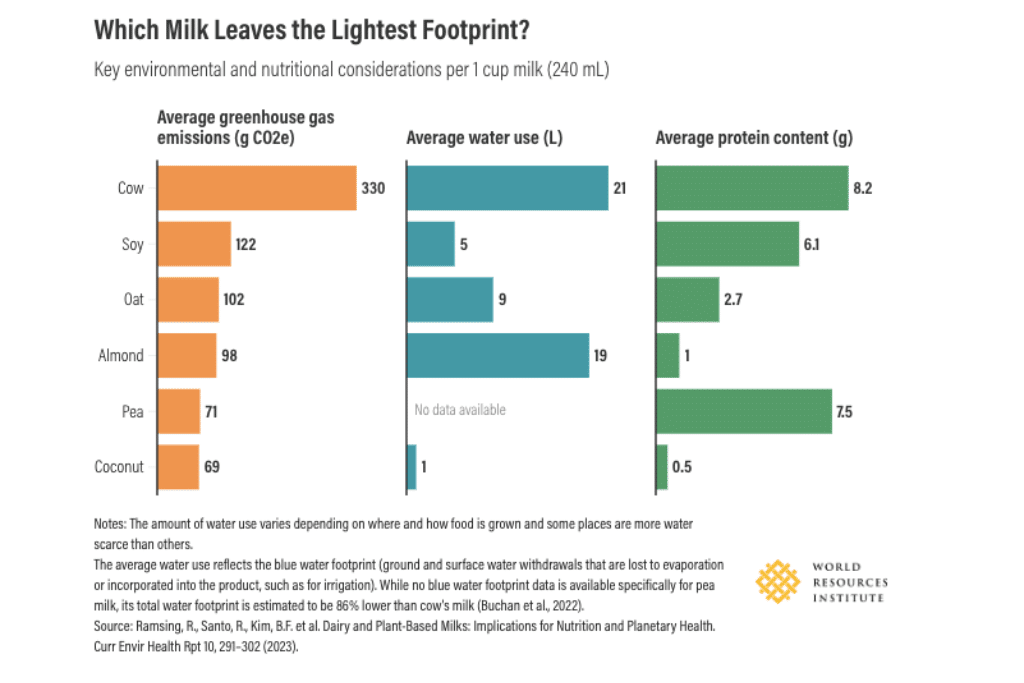
The new guidelines contradict the EAT-Lancet Commission’s recommendations, which focus on the ecological effects of food production. Their guidelines promote plant-based foods as primary protein sources, suggesting limited consumption of red meat, eggs, and dairy.
EAT-Lancet Commission Co-Chair Walter Willett noted the omission of plant protein sources in the new guidelines and questioned their sustainability. Environmental journalist Emily Atkin stressed the importance of ecological health in discussions of diet, emphasizing that environmental degradation undermines efforts to promote healthy eating.
Featured image: Gage Skidmore/Flickr.
You might also like: How Meat and Dairy Subsidies Are Driving Climate Change
Original Story at earth.org