
In a bid to alleviate the pressure on the Rio Grande, New Mexico water users pushed for the construction of the San Juan-Chama Project in 1962. The project aimed to channel water from the Colorado River Basin in southern Colorado into Northern New Mexico. However, recent years have exposed the vulnerabilities of this plan, as both the Rio Grande and the Colorado River have faced significant shortages.
The dual impact of drought conditions and increased human consumption has led to unprecedented low levels in the Colorado River’s tributaries, reducing the pipeline deliveries to the Rio Grande to minimal levels. This has left water managers along the Rio Grande with fewer resources to meet ecological and human demands.
For water users in New Mexico, particularly in cities like Santa Fe and Albuquerque, the situation has been challenging. They have received less than a third of their allocated water from the San Juan-Chama Project by 2025. This shortfall has been consistent since 2014, with water deliveries rarely meeting the full allocation since the project’s inception in 1971.
Federal authorities have had to establish new protocols for distributing San Juan-Chama water due to declared shortages, a process that has become routine over the past 12 years. Carolyn Donnelly, a water operations supervisor with the U.S. Bureau of Reclamation, noted that the project has only delivered full water allotments four times during this period.
As the Rio Grande struggles with legal and environmental challenges, New Mexico is also striving to maintain its share of Colorado Basin water. Failing to reach a multi-state agreement on water usage cuts, the state faces potential federal intervention and litigation.
Silvery minnow: ‘Last fish standing’
According to Paul Tashjian, director of freshwater conservation for Audubon Southwest, drying is a regular part of managing the Rio Grande. However, this year has been particularly severe, with over half the river experiencing prolonged dry spells, impacting vegetation, bird habitats, and fish populations. Efforts to reintroduce fish from hatcheries are planned for the fall.
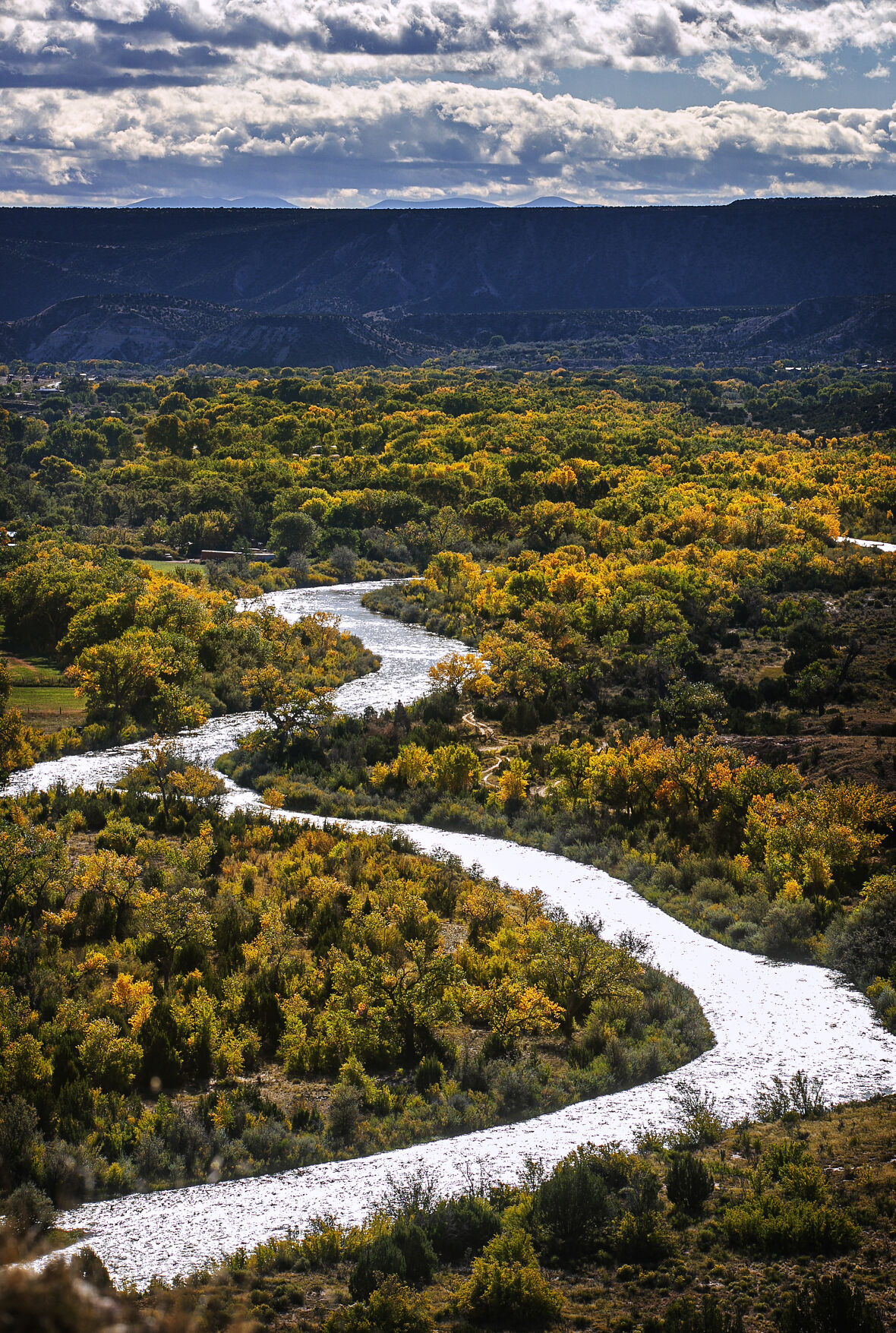
The San Juan-Chama Project’s low water allocation this year is not coincidental, Tashjian mentioned. Both the Rio Grande and the San Juan River’s tributaries begin as snowpack in Southern Colorado, impacted by historic drought and warming trends.
Cities spend millions more on water
Santa Fe and Albuquerque have invested heavily in infrastructure to access their San Juan-Chama water, but recent shortages have led them to spend even more or revert to previous practices. For Santa Fe, the shortages have depleted stored water reserves, forcing reliance on local reservoirs and aquifers.
A $20 to $30 million pipeline is being planned to improve water supply by transporting treated wastewater back to the Rio Grande. Jesse Roach, Santa Fe’s Water Division Director, stated that this “return flow pipeline” would effectively triple the city’s San Juan-Chama water supply.
In contrast, Albuquerque’s position along the Rio Grande limits its ability to utilize stored San Juan-Chama water, leading to increased groundwater usage. The Albuquerque Bernalillo County Water Utility Authority has been unable to access its full water allocation, resulting in reliance on groundwater, which it had previously aimed to avoid.

New Mexico caught between compacts
New Mexico’s water storage challenges are a combination of environmental and legal factors. Under the Rio Grande Compact, the state is currently unable to store Rio Grande water due to its “debit” status to Texas. This has necessitated a reevaluation of water usage practices to address the state’s water debt.
As New Mexico navigates complex water agreements, the interconnectedness of ecosystems, agriculture, and urban needs becomes apparent. Experts stress the importance of viewing water resources as a unified system rather than separate entities.
Original Story at www.santafenewmexican.com