In a move that could significantly impact the operations of data centers in Michigan, state Democrats have introduced a series of legislative bills. These bills aim to impose comprehensive regulations on data centers, focusing on areas such as energy procurement, water usage, and community engagement through legally binding agreements.
Data Centers and Community Benefit Agreements in Michigan
Michigan’s proposed bills require data center operators to enter into community benefit agreements before they can receive approval for construction or operation. These agreements are legally binding contracts with local governments and other stakeholders, ensuring that data centers contribute positively to their communities. The agreements must cover topics such as local hiring, water usage, and infrastructure costs, and they must address at least half of these stipulated areas. Without an approved community benefit plan, local governments cannot issue necessary permits, nor can the Public Service Commission (PSC) approve interconnections.
The Broader Context of Community Benefit Agreements
Michigan is not alone in this legislative endeavor. Similar requirements for community benefit agreements have been considered in six other states this year. Additionally, federal legislation, spearheaded by Representative Robert Bresnahan, proposes that large data centers must have such agreements to qualify for federal tax credits. These agreements address local hiring, infrastructure impacts, and tax liabilities.
Regulating Energy Use in Michigan’s Data Centers
Senate’s Take on Energy Legislation
In terms of energy regulation, the Michigan Senate has put forth a bill requiring data centers to secure minimum 20-year contracts with utilities and ensure that 90% of their energy comes from clean sources. This bill also includes a $100,000 application fee and mandates participation in demand response programs.
House’s Perspective on Energy and Decommissioning
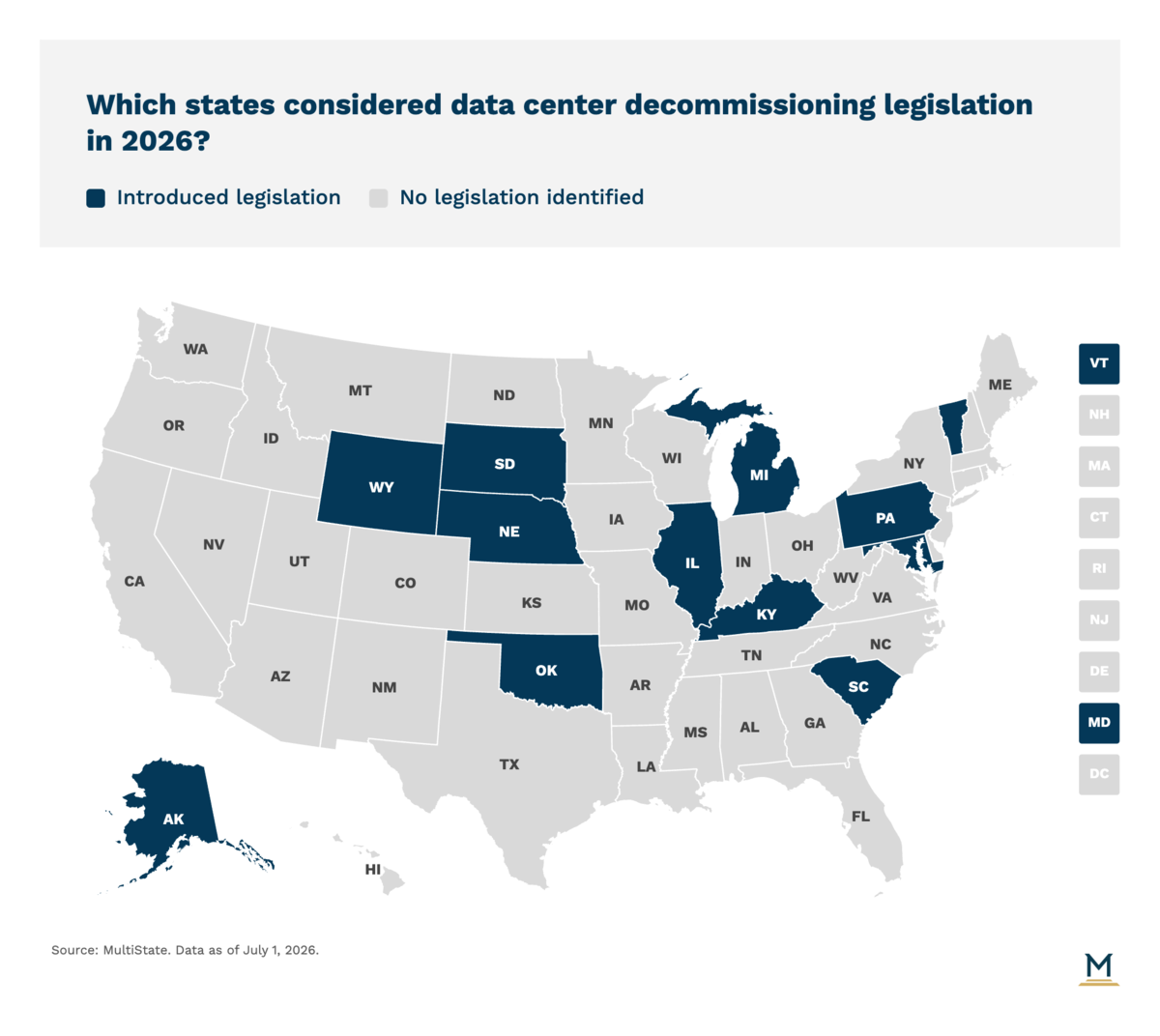
Contrasting the Senate’s approach, the House proposes a new rate class for large-load commercial users like data centers, with less stringent requirements. These include 15-year contracts without the clean energy procurement mandate. The House has also introduced a bill mandating decommissioning plans for data centers, which the PSC must review every three years.
Water Use Regulations for Data Centers
Senate Proposals for Water Use
Michigan’s Senate has proposed legislation requiring a new permit for entities using over 550,000 gallons of water daily, affecting data centers significantly. This permit would cap consumptive use at 2 million gallons per day and require public hearings before application approval.
House Stipulations on Cooling Systems
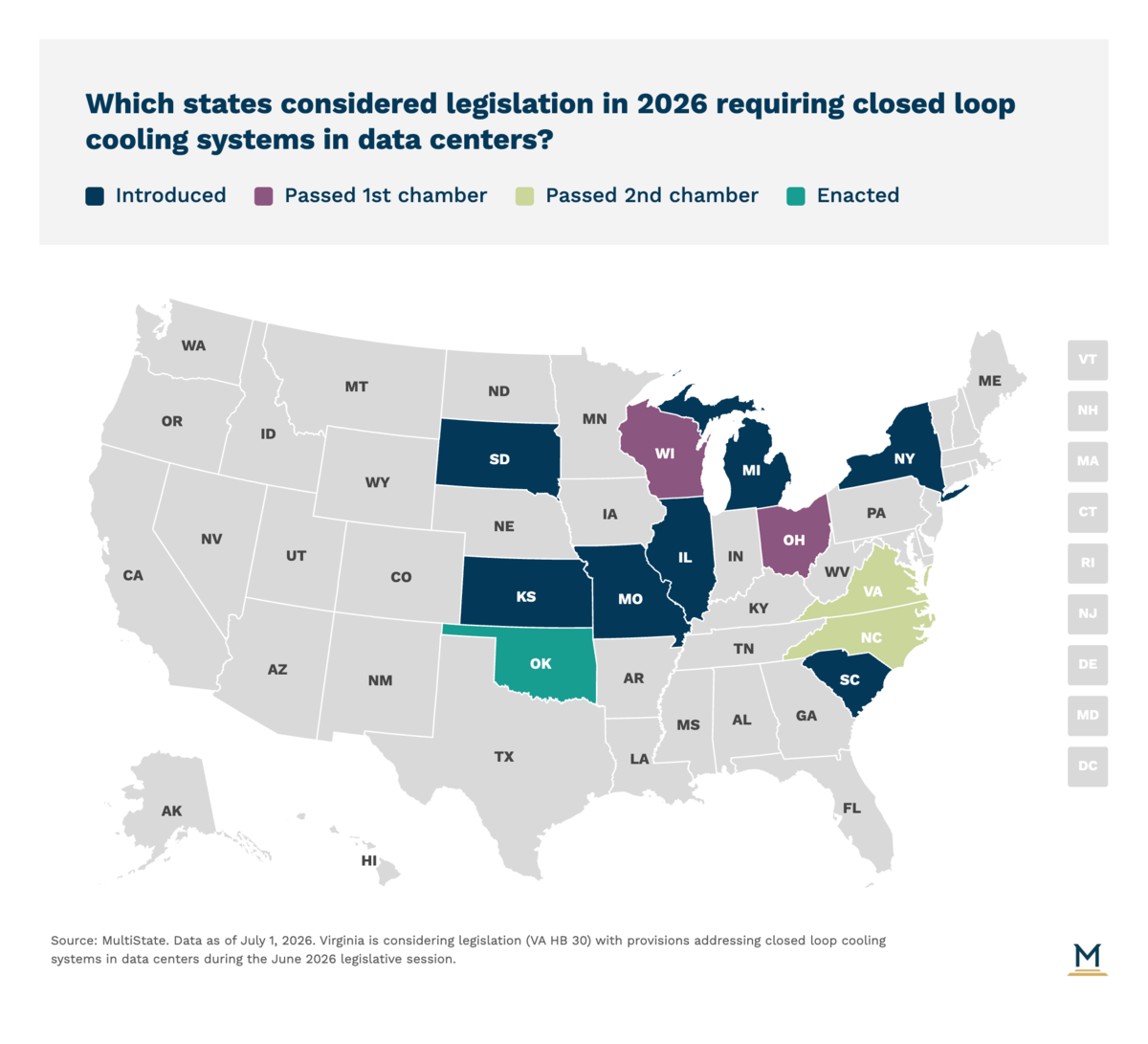
The House proposes that new data centers either implement closed loop cooling systems or source water from municipal systems. This recommendation aligns with trends in other states, as twelve have considered similar legislation this year to mitigate water usage.
Other Legislative Proposals Impacting Data Centers
Noise, NDAs, and Labor Standards
Additional legislative proposals include requirements for noise impact assessments, restrictions on nondisclosure agreements related to tax-incentivized projects, and mandates for labor agreements in construction and maintenance work. These bills aim to ensure transparency and uphold labor standards in data center projects.
Ongoing Discussions on Tax Incentives and Moratoriums
While the current legislative package does not address tax incentives or moratoriums directly, Michigan lawmakers have been considering separate bills that could impact tax structures for data centers, including repealing certain incentives and extending exemptions in specific zones.
Stay Informed on Data Center Policies
As data center legislation continues to evolve, stakeholders can subscribe to MultiState Policy Watch: Data Centers for comprehensive updates and analysis on trends and legislative actions. Sign up here.
Frequently Asked Questions
What do Michigan’s proposed community benefit agreements require data centers to do?
Michigan HB 6137 and SB 1050 require data center operators to enter into legally binding community benefit agreements before construction or operation, addressing local hiring, water use, and infrastructure costs.
What are the differences between Michigan’s Senate and House data center energy bills?
Michigan SB 1047 mandates 20-year contracts and clean energy procurement, while HB 6135 proposes a new rate class with less strict requirements.
Does Michigan’s proposed legislation ban data centers from using open loop cooling systems?
The House is considering a requirement for closed loop cooling systems or municipal water sources, aligning with trends in twelve other states.
Can Michigan data center operators sign NDAs with local officials under the proposed legislation?
Michigan HB 6140 and SB 1049 would prohibit NDAs for tax-incentivized projects, with exceptions for intellectual property.
What labor requirements would Michigan impose on data center construction and maintenance?
HB 6141 and SB 1048 would require labor agreements for construction and maintenance work, supported by the International Brotherhood of Electrical Workers for promoting good-paying jobs.
Original Story at www.multistate.us