
In a move that could alter the landscape of automotive taxation, Michigan is poised to implement some of the nation’s steepest registration fees for electric vehicle (EV) owners. Traditionally, infrastructure funding has come from gas taxes, but with more drivers opting for environmentally friendly options, states are exploring new ways to offset the lost revenue from reduced gasoline sales. Michigan’s solution includes imposing additional fees on EV registrations to compensate for the absence of gas tax contributions.
Currently, Michigan residents who own electric vehicles are subject to an annual EV surcharge of $160, with an extra $100 added for EVs and hybrids weighing over 8,000 pounds, on top of the regular registration fees. An impending hike will add another $100 to this surcharge, positioning Michigan alongside New Jersey as having the highest EV-related taxes in the country.
EV Owners Face Additional Costs with Rising Gas Taxes

Under Senate Bill 593, the fees for electric and plug-in hybrid vehicles would increase as fuel taxes rise. According to M Live News, “a plug-in hybrid vehicle’s annual fee would increase 94 cents for every cent the fuel tax increased above 19 cents per gallon. For EV, the increase would be $1.88 per 1 cent of fuel tax.” This shift could lead to scenarios where plug-in hybrid owners face higher taxes than those driving traditional gas-powered vehicles.
Critics argue that such measures could hinder the adoption of electric vehicles and send a negative message to Michigan-based automakers like Ford, General Motors, and Stellantis regarding the state’s commitment to electrification.
Ecocenter.org highlights that EV drivers already pay more in road funding taxes compared to their gas-powered counterparts. For instance, a Chevrolet Equinox EV driver pays $40 more annually than a gas Equinox driver, and the gap increases with heavier vehicles like the Chevrolet Silverado EV, which incurs $218 more in road maintenance costs than its gas equivalent.
Heavier EVs and Their Impact on Infrastructure
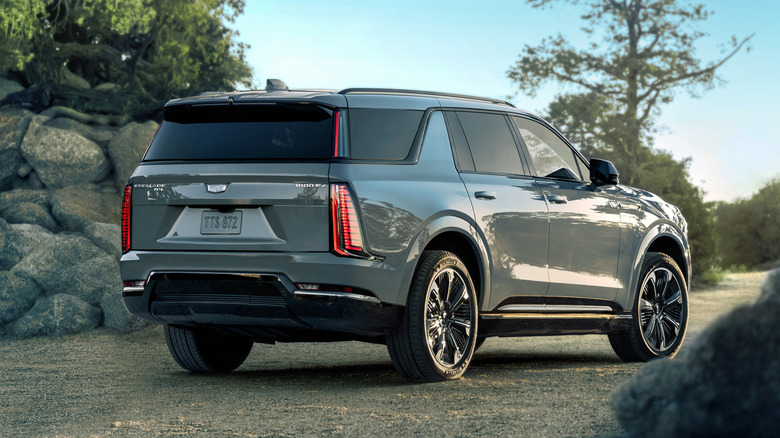
As fuel-efficient gas vehicles contribute to reduced tax revenues, Michigan faces challenges in maintaining its infrastructure. For instance, a 2024 Ford F-150 owner pays $45.15 less in gas taxes compared to a 2010 model, leading to significant revenue losses given the large number of F-150s sold annually in the state.
While electric vehicles are typically heavier than their gas counterparts, which can increase wear on roads, the current gas tax system does not vary rates based on vehicle weight. For example, a Miata pays the same gas tax rate as a much heavier Chevrolet Suburban. The question arises: should EV owners bear the brunt of higher taxes, or should the system be reevaluated to more fairly distribute the financial responsibilities?
Original Story at www.jalopnik.com