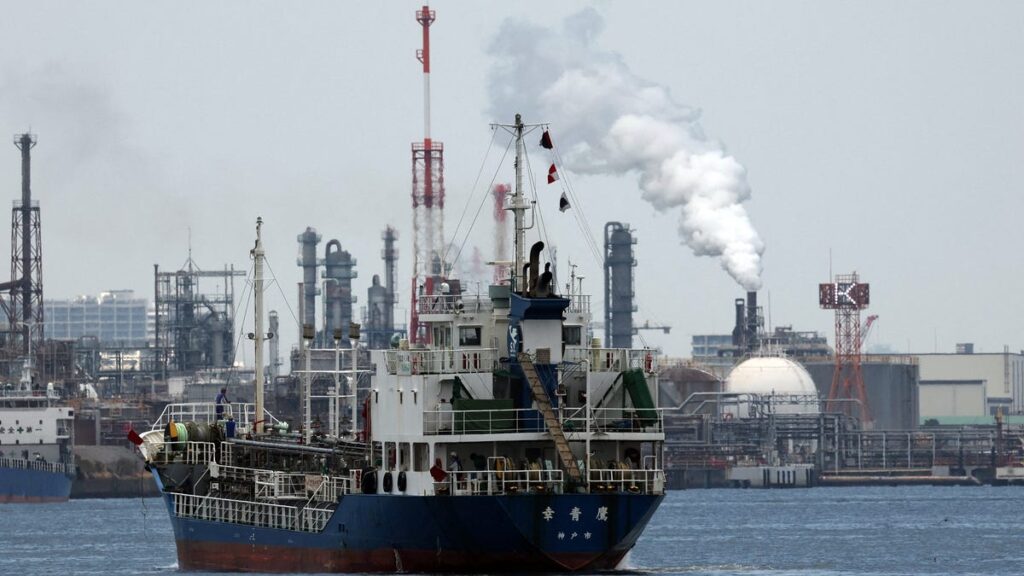
Impact of Renewable Fuel Standard on U.S. Refiners
Recent geopolitical tensions have highlighted vulnerabilities in the global oil supply chain. While international incidents, such as the massive fires at Tehran oil depots following Israeli strikes, capture headlines, domestic policies like the Renewable Fuel Standard (RFS) continue to shape the landscape for American consumers and refiners.
The RFS mandates that refineries blend corn ethanol into gasoline, which has resulted in significant costs for American refineries. These costs are ultimately passed down to consumers, contributing to higher gas prices. Critics argue that the RFS disproportionately benefits large agribusinesses, often referred to as “Big Corn,” which gain substantial financial rewards from this mandate.
In California, the effects of the RFS are starkly evident with job losses and increased fuel costs. The policy sends refining capacity overseas, challenging America’s quest for energy independence. For more details, visit E&E News.
Large oil companies, equipped to circumvent the RFS, are offshoring refining operations. This strategy allows them to bypass the RFS compliance costs, placing smaller domestic refiners at a disadvantage. According to R Street, oil giants can refine overseas and import finished products back to the U.S., avoiding steep compliance expenses.
Among these corporations, Shell and Valero demonstrate strategic global operations. Shell’s refineries span continents, including facilities in South Africa, China, and Germany. Valero, with its extensive network, operates in North America and Europe. For instance, Valero’s Pembroke refinery in the U.K. processes 270,000 barrels daily, supplying a portion to the U.S. market without RFS constraints. More about Valero’s facilities can be found here.
Such practices by multinational corporations highlight the challenges faced by independent American refiners, which are unable to compete with the cost-avoidance strategies employed by their larger counterparts. This situation has led to industry consolidation, bankruptcies, and job losses among smaller players.
With the RFS imposing significant burdens, the call for reform grows louder. Current policies inadvertently incentivize offshoring and place independent refiners at a disadvantage. There’s a pressing need for legislative changes to support domestic refiners and stabilize gas prices, ensuring that American laws protect rather than hinder U.S. interests.
For further insights into global oil dynamics, see the Detroit News.
Robert Romano, President of Americans for Limited Government, advocates for RFS reform to help domestic refiners and American consumers.
Original Story at www.detroitnews.com