Lucid Motors Denies Bankruptcy Rumors Amidst Stock Turmoil
In a dramatic turn of events, Lucid Motors has been embroiled in speculation about its financial health, leading to a significant drop in its stock value. The company has refuted claims of impending bankruptcy, assuring stakeholders of its financial stability by highlighting its available free cash flow.
Despite this reassurance, the rumors had a ripple effect across the electric vehicle (EV) industry, affecting the stock performance of competitors like Rivian and Polestar. Concerns over the sustainability of EV-centric firms have been exacerbated by fluctuating consumer interest and unpredictable policy changes.
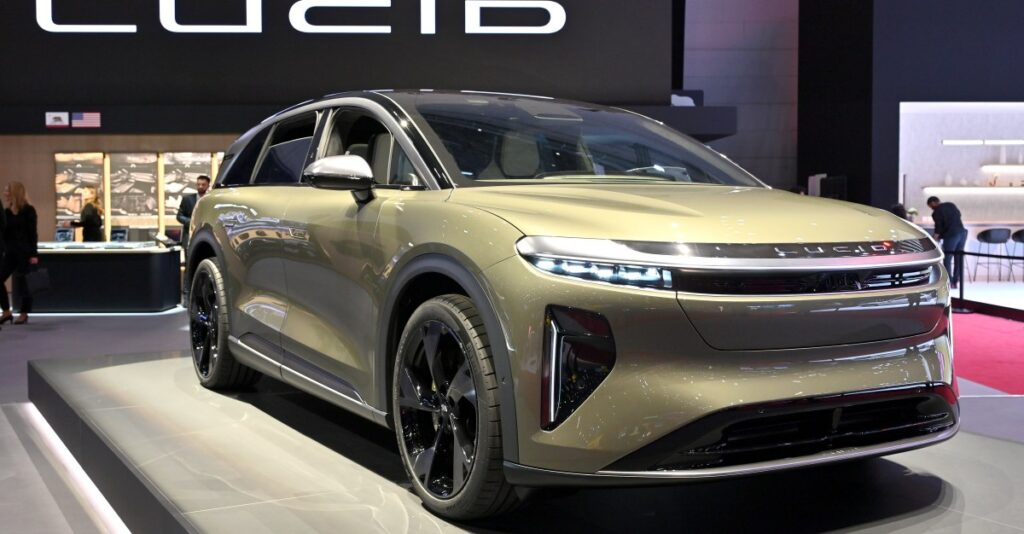
The situation escalated following a report by EV trade publication EV, which suggested that consultancy AlixPartners advised Lucid’s board on potential bankruptcy or privatization options. This report also mentioned recommendations to streamline operations in the U.S. and Europe with a focus on the Gravity SUV. However, Lucid has categorically denied these claims, with no other media outlets supporting the original report.
Lucid did confirm its collaboration with AlixPartners, but clarified that the firm’s role is centered on enhancing operational efficiency and maximizing the potential of Lucid’s offerings. “Improving execution, strengthening operations and positioning Lucid to realize the full potential of its technology, products and innovation,” said Lucid’s chief communications officer, Nick Twork, on AlixPartners’ role.
To counteract the report’s impact, Lucid has taken legal action by issuing a cease and desist order against EV, attributing the stock’s sharp decline to the publication’s article. Lucid’s chief legal officer, Brian Tomkiel, expressed in a letter that the report had caused significant harm to investors and the company itself.
The timing of these events comes at a challenging period for Lucid, as the company has reported substantial financial losses. In the first quarter of the year, Lucid reported losses exceeding $1 billion and conducted workforce reductions, including laying off 12% of its staff in February and an additional 18% in June. Production at its Arizona facility has also been scaled back to manage inventory levels and reduce costs. Compounding these issues, the departure of COO Marc Winterhoff has led to structural changes within the company.
The market’s reaction to the rumors saw Lucid’s stock plummet by 50% in a single day, one of the steepest declines in its history. This downturn has been mirrored in the performance of other EV manufacturers, with Wall Street’s confidence shaken by ongoing earnings challenges. While EV sales are stabilizing, the path to recovery remains uncertain, and the transition to an all-electric future appears more distant.
The uncertainty surrounding Lucid’s financial future is indicative of broader challenges facing the EV industry. With companies like Polestar facing geopolitical hurdles and Rivian navigating its mass-market ambitions, the dependence on major investors such as Saudi Arabia’s Public Investment Fund, Geely, and Volkswagen becomes increasingly critical for these EV pioneers. Any hesitation from these stakeholders could significantly alter the industry’s landscape.
Original Story at www.theverge.com