
Integrating Solar Energy and Electric Vehicles: A Step Forward in Sustainable Transport
Aligning strategies for solar energy and e-mobility could be a powerful part of the strategy to decarbonize the transportation industry, strengthen grids, and accelerate national sustainability goals in the GCC. That is according to a new PwC report that delves into how the two sustainable developments should be better coupled in order to scale up together.
The transition to cleaner energy sources and transportation methods is gaining momentum globally. In the Gulf Cooperation Council (GCC) countries, solar energy holds significant promise given their abundant sunlight and existing energy infrastructure. The region is also witnessing a surge in electric vehicle (EV) adoption, reflecting global trends where EV sales are expected to exceed twenty million units in 2025.
Source: PwC
Yet, a significant issue remains: the environmental benefits of EVs are compromised if the electricity used for charging them is derived from fossil fuels. The next stride in sustainability involves integrating solar power with electric mobility to ensure truly clean energy for transportation.
Solar Power and Electric Vehicles: An Untapped Synergy
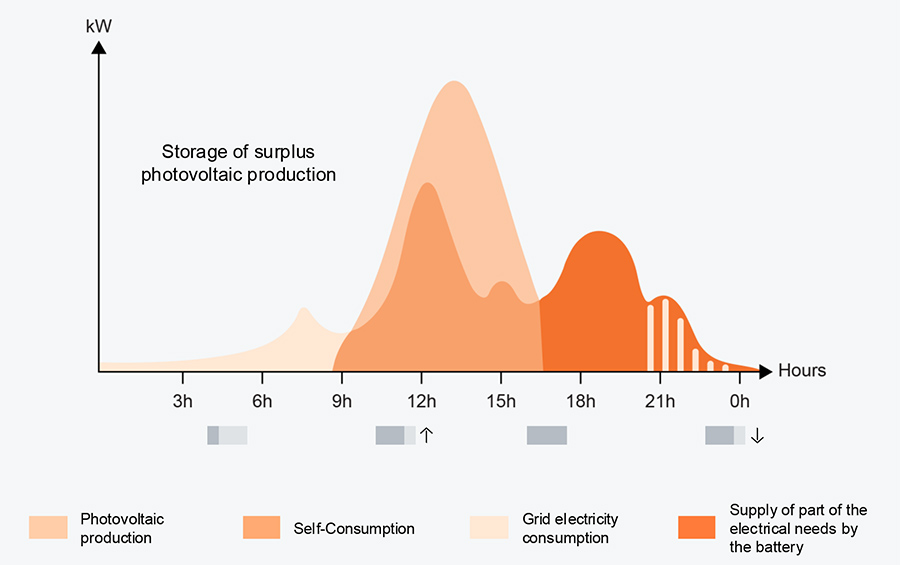
Currently, a major inefficiency exists because electric vehicles often charge in the evening when solar output is at its lowest, increasing reliance on conventional energy sources and placing stress on the power grid.
This disconnect between solar energy availability and vehicle charging schedules represents a missed opportunity. Vehicles are parked approximately ninety-five percent of the time, suggesting that aligning charging times with peak solar generation could enhance clean energy use and ease grid pressure.
Source: PwC
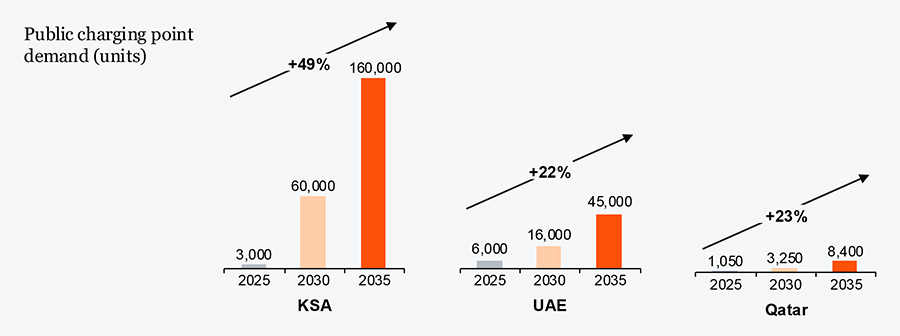
This concept is gaining traction, especially in sun-rich regions with ambitious renewable energy targets, such as the GCC. Saudi Arabia is aiming for half its electricity production to come from renewables by 2030, with plans to develop nearly fifty-nine gigawatts of solar capacity. The UAE is also advancing its solar agenda with a $6 billion project to build one of the world’s largest integrated solar-storage systems.
The focus on renewable energy is mirrored by the rapid uptake of electric vehicles in the region. The UAE saw EV sales jump by over 260% in 2024, while Saudi Arabia is investing $39 billion to foster a domestic EV manufacturing industry.
Source: PwC
Advancing Solar Charging Technologies
The technological framework for this coupling is now maturing – at its core, the solution involves aligning vehicle charging with the sun’s schedule. This is accomplished through smart charging systems, which use digital platforms to automatically time charging sessions to coincide with daytime solar output, especially useful at homes and offices where cars are parked for extended periods.
An advanced step in this integration is bi-directional charging or Vehicle-to-Grid (V2G) technology. This allows EVs to act as mobile energy storage units, capable of supplying excess energy back to buildings or the grid during peak demand.
This model is already being piloted in places like Germany, where a federal grant incentivizes homeowners to install solar panels, battery storage, and bi-directional chargers as a single integrated system.
Despite these advancements, the path to full integration faces hurdles. Current power grids and charging solutions are not designed to support the dynamic needs of combined solar-EV systems, and the high initial investment for these hybrid systems remains a barrier for many.
The ultimate success of this integration relies on overcoming these challenges through strategic alignment across sectors. Leaders in the GCC must ensure policies, infrastructure, and consumer behavior all move toward a future where solar power fuels every electric vehicle.
“Coupling solar power and e-mobility isn’t just about cutting emissions – it’s about building a new energy economy for the GCC,” said Heiko Seitz, Middle East eMobility leader at PwC. “Clean mobility can become a catalyst for investment, jobs and innovation across the energy value chain, while strengthening grid resilience for decades to come.”
Original Story at www.consultancy-me.com