Carbon Storage Project Sparks Debate in Indiana’s Heartland
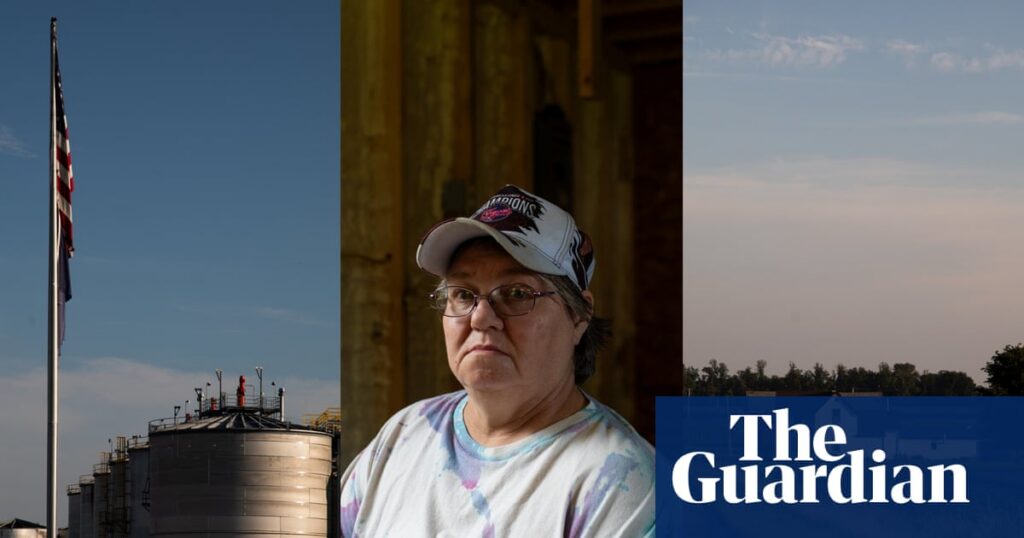
Deep in the rural expanse of Indiana, a novel endeavor is stirring both hope and controversy. The plan to bury carbon beneath farmland in Clymers, Indiana, is touted as a significant step toward combating climate change, funded generously by U.S. tax dollars. However, for residents like Melissa Harrison, the initiative raises fears about the future of their community.
Harrison, a long-time resident of Clymers, voices her concerns: “This is our place,” she says. Here, she nurtures her grandchildren in a town woven with family history and framed by cornfields and industrial agriculture. The local ethanol plant, a key player in the carbon storage scheme, seeks to bury carbon beneath the geological layers beneath the town.
The project benefits from substantial government subsidies aimed at reducing global warming, spurring a surge of similar proposals nationwide. Yet, not everyone is convinced of its merits. Residents of Clymers and other areas have begun to organize opposition, reflecting a broader national debate over these projects.
While carbon sequestration is considered a potential tool for mitigating climate change, experts emphasize the importance of prioritizing substantial reductions in fossil fuel consumption. Environmental groups express skepticism, arguing that such projects could delay a necessary shift to clean energy and pose risks to local communities.
Harrison points to existing challenges in Clymers, from industrial pollution to inadequate infrastructure, as reasons for concern. Once a bustling heartland town, Clymers now struggles with economic and environmental challenges. Residents, like Harrison, have received letters about the carbon storage plan, with some offered $150 annually for permission to store carbon beneath their properties.
Despite assurances from the project’s proponent, the Andersons Renewables, that the technology is safe and thoroughly vetted, many locals remain wary. The company, partly owned by a Marathon Oil subsidiary, stresses its commitment to community engagement and transparency.
The carbon sequestration initiative is part of a broader wave of projects anticipated to gain regulatory approval in the U.S. These endeavors capture and store industrial CO2 emissions underground, a process supported by both Democratic and Republican administrations as a climate mitigation strategy.
The Biden administration has incentivized such projects through a tax credit program under the Inflation Reduction Act, continuing a policy from the Trump era. This financial boon has sparked what some describe as a “carbon-capture gold rush,” as companies stand to earn substantial profits from storing carbon emissions.
However, environmental advocates and experts raise concerns about the risks associated with carbon storage, including potential leaks and groundwater contamination. Past incidents, such as leakage in Illinois and a pipeline rupture in Mississippi, underscore the potential dangers.
Despite these risks, proponents argue that the industry is learning from past setbacks and taking steps to ensure safety. Yet, for residents like Dennis Crume, a local farmer, skepticism remains. Crume declined an offer to accept the carbon storage plan, citing worries about water pollution and long-term environmental impacts.
As the debate continues, Clymers stands at the forefront of a national conversation on the future of carbon storage and its role in addressing climate change. The outcome could shape the trajectory of similar projects across the country, as communities weigh economic benefits against environmental and social concerns.
Original Story at www.theguardian.com