Electric vehicles (EVs) have long been waiting for a breakthrough in battery technology that could revolutionize performance and range. Solid-state batteries (SSBs) have been hailed as that revolutionary step, offering faster charging times, extended range, and improved lifespan compared to traditional lithium-ion batteries. After years of anticipation and theoretical potential, Honda is taking a significant step forward by moving this innovation from the drawing board to a pilot production line.
Honda’s Solid-State Battery Initiative
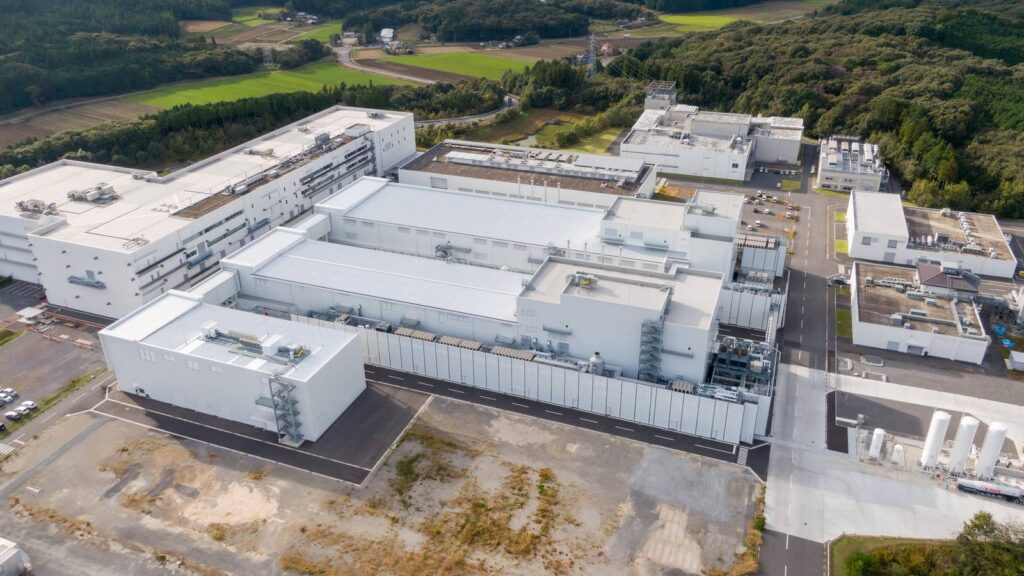
Honda has commenced operations at a pilot production line dedicated to solid-state battery prototypes at its Sakura plant in Japan. Far from being an experimental lab, this facility serves as a manufacturing validation site, meant to test and refine the production processes required for future commercial applications. With an investment of approximately 43 billion yen, or $287 million, Honda positions itself ahead of competitors still mired in research phases.
Staying Ahead of Competitors
While Honda progresses with physical battery cells, many automakers remain in the planning or prototyping stages. Brands like Toyota, Ford, BMW, and Volkswagen are engaged in partnerships with battery startups but have yet to reach the production milestones achieved by Honda. By spearheading its own development and manufacturing in-house, Honda is better equipped to overcome challenges such as electrolyte stability and cell durability, paving the way for smoother mass production in the future.
Challenges in Solid-State Battery Development
The promise of SSBs has often been overshadowed by the difficulty of moving from theoretical advancements to real-world applications. Many automakers have relied heavily on lab-based results, which, while promising, do not always translate to scalable production. This is where Honda’s approach stands out; by focusing on manufacturing validation, the company aims to tackle engineering hurdles early in the process.
Addressing Dendrite Formation and Electrolyte Contact
A major challenge in SSB production is ensuring consistent contact between solid electrolytes and electrode materials. Honda is addressing this through a proprietary roll-pressing process, designed to improve contact across the cell structure, enhancing energy transfer and reducing performance loss. Additionally, Honda is incorporating polymer-based separators to mitigate the risk of lithium dendrites, which can cause internal short circuits.
The Journey Toward Fully Solid-State EVs
While full commercialization of solid-state batteries is still on the horizon, Honda’s advancements suggest a promising trajectory. Some current EVs utilize semi-solid-state batteries, which combine solid electrolytes with liquid components, but these are not yet the complete solution that SSBs promise. Honda aims to integrate its solid-state technology into EV models by the late 2020s, aligning with timelines from other major automakers like Toyota.
For more information, visit Solid-state batteries and electric vehicle.
Original Story at www.topspeed.com