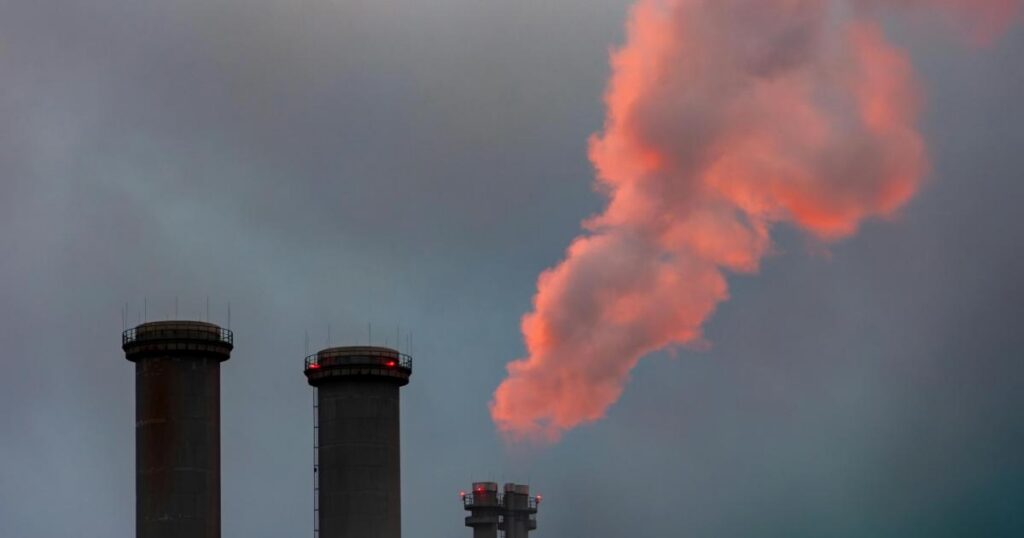
Controversy Surrounds Extension of Orlando’s Aging Coal Plant
In a significant move, environmental advocacy groups are contesting a U.S. Department of Energy decision that mandates the continued operation of a decades-old coal plant in Orlando. The Environmental Defense Fund, Sierra Club, and Earthjustice, representing Florida Rising, argue that the decision to keep Stanton Unit 1 operational is unlawful and unnecessary.
Economic Concerns: Rising Energy Costs
The Stanton coal plant, which has been operating for 39 years, incurs a hefty operational cost of over $6 million monthly. These expenses are likely to be transferred to local consumers, potentially increasing monthly electricity bills for families and businesses across Central Florida. The Orlando Utilities Commission (OUC) had initially planned to transition from coal to more cost-effective and environmentally friendly energy sources like natural gas and solar.
Planned Energy Transition Stalled
A request for rehearing was filed following the DOE’s order on June 4, which blocked the scheduled retirement of Unit 1. This decision forces the plant to remain operational for an additional 90 days, with a possibility of further extensions. The DOE’s previous actions have similarly affected other coal plants.
Impact on Community and Health
OUC’s financial records indicate that coal remains the most expensive energy source per megawatt hour, surpassing both natural gas and solar. Running the Stanton plant is estimated to add over $20 to monthly electricity bills if costs are borne solely by OUC customers. Additionally, the plant’s operations have severe health implications, reportedly causing 45 premature deaths each year due to toxic air pollution.
Reliability and Future Energy Plans
Despite the DOE’s claims of the necessity for grid reliability, OUC’s planning documents suggest sufficient power capacity is assured through 2034. The North American Electric Reliability Corporation supports this, rating Florida’s electric system as highly reliable for both the upcoming summer and long-term.
Adam Kurland, an attorney for U.S. Clean Energy at the Environmental Defense Fund, stated, “Forcing this coal plant to stay open delivers a rate hike to Central Florida families and businesses, right as they are already struggling with sky-high electricity bills.” He further emphasized that more affordable and reliable energy options have made the coal plant obsolete.
Brooke Alexander-Goss from Sierra Club Florida echoed this sentiment, highlighting the lack of justification for keeping the coal plant operational. “There is no good reason to keep this aging coal plant in operation. OUC customers could be forced to pay higher monthly bills to burn one of the utility’s most expensive fuels, despite the availability of cleaner, more affordable energy resources that can already meet our electricity needs,” she remarked.
Bradley Marshall of Earthjustice, representing Florida Rising, added, “Florida Rising has been pushing for energy justice throughout Florida by fighting against excessive utility profits and for a just transition that puts frontline communities at the center of energy policy.” He pointed out that the decision to keep the uneconomic plant online could further increase electric bills, exacerbating the financial burden on residents.
Original Story at www.edf.org