Greenpeace is drawing attention to the environmental impact of Energy Transfer amid legal battles in North Dakota. A court recently awarded Energy Transfer a $345 million judgment against the nonprofit. Greenpeace’s new report cites numerous environmental concerns related to Energy Transfer’s pipeline network, including oil spills and gas releases.
Energy Transfer, headquartered in Texas, was highlighted in the report for a higher rate of incidents in that state compared to others. The report follows a March 2025 jury verdict against Greenpeace USA for damages during Dakota Access pipeline protests. Greenpeace labels the case a strategic lawsuit against public participation, or SLAPP, intended to quiet dissent.
Tim Donaghy, Greenpeace USA’s research director, stated, “Greenpeace has always aimed to expose air and water pollution and its impacts on ecosystems.” Energy Transfer refutes claims of stifling free speech, describing the verdict as a victory for law-abiding citizens.
According to Greenpeace, more than 300 spills occurred from 2018 to 2025 across Energy Transfer’s pipelines, with nearly two-thirds in Texas. The report does not compare Energy Transfer to other companies but highlights its significant market impact, transporting roughly 30% of U.S. natural gas and 40% of crude oil.
Over the past three decades, Energy Transfer has faced fines exceeding $100 million from various regulators. The report argues these penalties are seen as business expenses given the company’s reported $80 billion revenue in 2024.
Energy Transfer criticized the report for misrepresenting data and falsely attributing issues to them, despite passive ownership roles in some pipelines. Greenpeace detailed its methodology, incorporating incidents from joint ventures and subsidiaries where Energy Transfer is involved.
Greenpeace’s Legal Challenges
In 2017, Energy Transfer sued Greenpeace, alleging defamation and property damage support during protests. A jury found Greenpeace liable for $667 million in damages, later reduced to $345 million. Greenpeace plans to seek a new trial and, if needed, appeal to the North Dakota Supreme Court.
Greenpeace compiled its report using public databases and records, reviewed by lawyers and fact-checkers, and shared it with Energy Transfer before publication.
Energy Transfer operates extensive pipeline networks for oil and natural gas, with offshore operations in the Gulf of Mexico. Greenpeace’s report, based on Pipeline and Hazardous Materials Safety Administration (PHMSA) data, documented 300 spills between 2018 and 2025, primarily involving oil.
During the same period, 126 natural gas releases were reported, with over 5,000 MMcf of gas released. According to Energy Transfer’s 2024 Corporate Responsibility report, there was a reduction in hazardous liquid accidents compared to previous years.
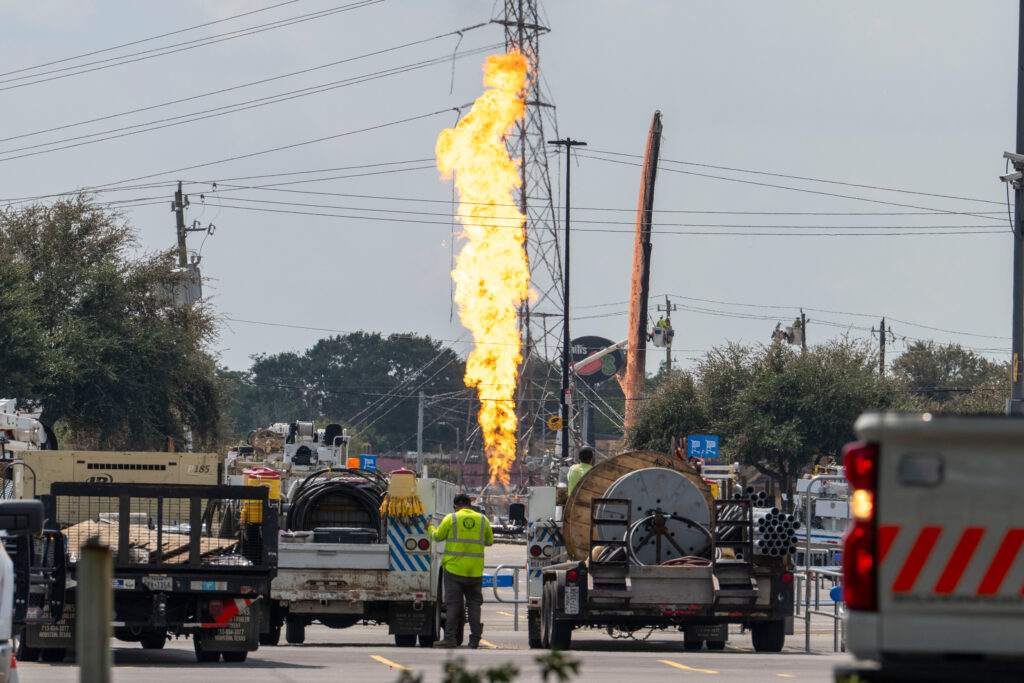
Significant gas releases occurred in the Gulf of Mexico, and a notable explosion in Deer Park, Texas, marked the largest liquid release since 2018. The incident resulted in fatalities, injuries, and a shelter-in-place order for nearby residents.
The Railroad Commission of Texas found no safety violations in the aftermath of the Deer Park explosion. Energy Transfer installed concrete barricades post-incident for increased protection.
In May 2025, a major crude oil spill occurred in Arlington, Texas, impacting local waterways and leading to extensive cleanup efforts. The Greenpeace report also addresses worker safety violations and legal challenges Energy Transfer has initiated against pipeline safety regulations.
Donaghy stated, “While we can’t say if Energy Transfer is worse than others, their operations unquestionably impact communities.”
Original Story at insideclimatenews.org