The Future of Extended-Range Electric Vehicles: Bridging the Gap Between EVs and Combustion Engines
The evolution of electric vehicles (EVs) has been significant, with improvements in range and charging speeds. However, two primary challenges remain: the public charging infrastructure and the impact of towing on range. To address these issues, automakers are turning to extended-range electric vehicles (EREVs), which combine the benefits of EVs with the convenience of traditional combustion engines.
Understanding Extended-Range Electric Vehicles (EREVs)
EREVs feature a combustion engine used solely to generate electricity for the electric drivetrain. Unlike plug-in hybrids, this engine never directly powers the wheels. This design aims to combine the long-range and refueling advantages of combustion engines with the environmental benefits of electric drivetrains.
2026 Jeep Grand Wagoneer REEV
Jeep’s Grand Wagoneer will be the first EREV in the U.S. since the BMW i3. With a 92-kWh battery providing an estimated 150 miles of electric range, the vehicle also includes a 3.6-liter V6 engine and a 20-gallon fuel tank, extending the total range to 500 miles. This allows for local trips on electric power alone while offering extended travel capabilities with gasoline.
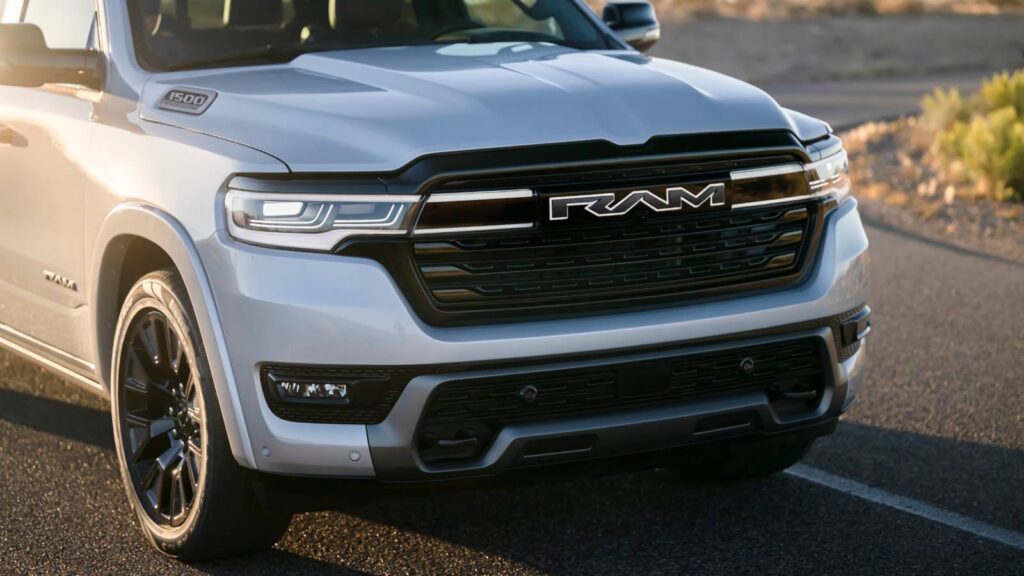
2026 Ram 1500 REV
The Ram 1500 REV follows closely with similar specs to the Jeep, featuring a 92-kWh battery and dual electric motors. However, it has a larger 29-gallon fuel tank, achieving a total range of 690 miles. The vehicle boasts a towing capacity of 14,000 lbs and a payload capacity of 2,625 lbs, with 145 miles of electric-only range.
2028 Scout Traveler and Terra Harvester
Scout’s Traveler and Terra models, available as SUVs and pickup trucks, offer both pure electric and EREV options. With a total range of 500 miles, the EREVs utilize a rear-mounted four-cylinder generator. Despite their lower towing capacity compared to the EV versions, the EREVs are expected to perform better for long-distance towing.
Ford F-150 Lightning
The upcoming Ford F-150 Lightning is shrouded in mystery. Transitioning from a fully electric model, it promises 700 miles of range and a sub-5-second 0–60 mph time. However, specific engine details and production timelines remain undisclosed.
Honorable Mention: 2027 Nissan Rogue E-Power
The Nissan Rogue E-Power, although not a traditional EREV, uses a combustion engine solely to generate electricity. Featuring dual electric motors and a three-cylinder engine, the Rogue targets a combined fuel economy of 39–41 mpg, positioning it against hybrids like the RAV4 and CR-V. A plug-in version remains unplanned, with sales expected to begin soon.
Original Story at carbuzz.com