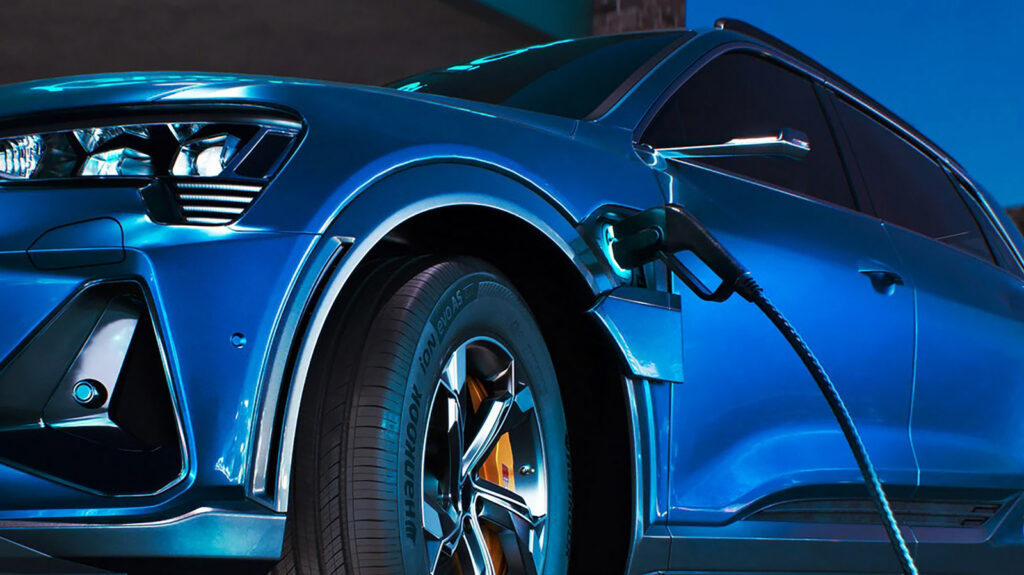
Electric Cars: Savings at the Pump, Costs on the Road
Electric vehicles promise lower maintenance due to fewer moving parts compared to traditional vehicles. However, while oil changes are unnecessary and brakes last longer thanks to regenerative technology, tires present a different story. Designed specifically for EVs, these tires wear out faster and are more expensive than traditional options because of factors such as weight, torque, and specific manufacturing needs.
As home charging becomes commonplace and range anxiety diminishes, owning an EV becomes more appealing. Yet, according to Michelin, tires on electric vehicles wear out 20% faster than those on internal combustion engine (ICE) vehicles. Once an EV hits between 12,000 to 25,000 miles (20,000 to 40,000 km), owners might face challenges with tire replacement.
Replacing a set of EV tires can set owners back between $1,000 and $2,500, depending on specifications and size. This is noticeably higher than the cost of tires for similarly sized combustion engine vehicles.
The Impact of Weight and Torque
EV tires face unique design challenges. Electric vehicles are heavier than their combustion counterparts due to batteries, necessitating reinforced tires. Moreover, the constant torque from electric motors subjects these tires to intense rotational forces. Tire manufacturers are also striving to find compounds and designs that reduce rolling resistance, as seen with Michelin’s EV tire that promises a 10% range increase.
Additionally, the use of sound-absorbing materials to reduce road noise—a more prominent issue in quieter EVs—adds complexity and cost. Unique tire designs, like those for the BMW i3, which feature tall and narrow tires, also contribute to higher replacement costs due to low production volumes and specialized manufacturing.
Future Trends in EV Tire Pricing
While EV tires are gradually becoming more affordable, they are unlikely to match the prices of standard ICE vehicle tires. The ongoing production ramp-up is reducing manufacturing costs through economies of scale. As EV sales increase across Europe, tire manufacturers like Michelin, Goodyear, Continental, and Pirelli are expanding their options and outputs.
Mid-tier and budget brands are also entering the EV tire market, fostering competition. Despite these developments, the higher material costs for EV tire reinforcements mean that they will continue to be pricier than regular tires. The hope is that stable prices for materials such as natural rubber and petroleum compounds will help prevent further increases, easing the financial burden for all car owners.
Original Story at www.carscoops.com