The European Commission is considering pausing parts of its upcoming methane regulation, set to start in January, amid political pressure and rising energy prices.
This consideration follows a letter from French President Emmanuel Macron on September 18, urging a delay in new methane reporting requirements due to increased costs exacerbated by the Iran war.
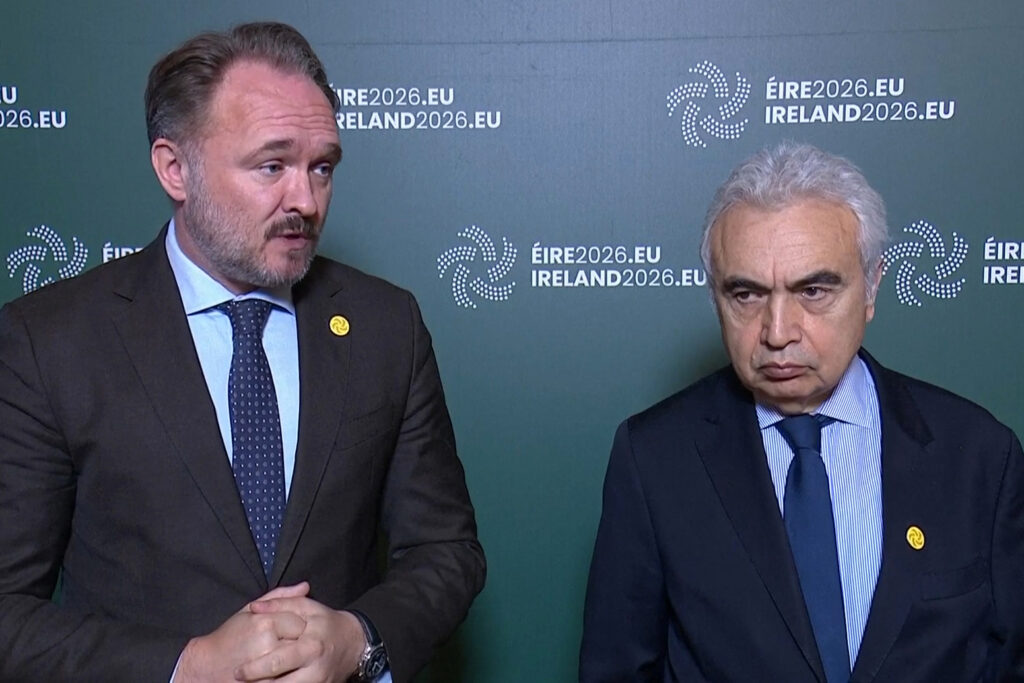
The European Union has spent an additional 100 billion euros on energy this year because of rising costs, according to Dan Jørgensen, European Commissioner for Energy and Housing.
At a meeting of EU energy ministers in Dublin, Jørgensen proposed delaying parts of the methane regulation related to energy imports for one year.
The current methane regulation requires oil, gas, and coal companies importing into the EU to monitor, report, and verify methane emissions starting January 1.
Companies expressed concerns about compliance with EU laws due to lack of information from suppliers. Bloomberg reported that the U.S. warned it might redirect LNG supplies if the regulation is not eased.
This requirement is part of broader rules to reduce methane emissions from energy imports. Methane intensity requirements will take effect in 2030. Methane is a major contributor to global warming after carbon dioxide.
Jørgensen assured that any pause would be “targeted and temporary,” not hindering emission reduction goals.
He highlighted that approximately 50 million people in Europe struggle to heat their homes adequately during a typical winter.
Europe faced soaring energy prices in 2022 following Russia’s invasion of Ukraine.
Fatih Birol, International Energy Agency’s executive director, backed the proposed pause, citing a major energy security risk.
A spokesperson for the European Commission stated that work is underway to formally propose postponing part of the methane regulation.
In July, the Commission recommended a three-year pause on penalties for certain requirements, including methane emissions reporting by importers. Member countries set their own penalties, though monitoring and reporting should begin in January.
Maas Goote, a former EU climate negotiator, observed no evidence that the methane regulations would cause price spikes or reduce supply if maintained.
Globally, the gas wasted through flaring or methane emissions annually is twice the volume shipped through the Strait of Hormuz. Shipping through the Strait halted with the Iran war, significantly affecting oil and gas prices.
Goote emphasized the significant energy waste involved with methane emissions, beyond climate concerns.
Rob Jennings, from the American Petroleum Institute, appreciated the Commission’s efforts to address implementation concerns and seeks long-term certainty for the industry.
Michael Button, from the Institutional Investors Group on Climate Change, argued another postponement would create uncertainty, potentially disadvantaging compliant companies. He suggested addressing challenges with clear guidance and practical compliance solutions instead of delays.
Original Story at insideclimatenews.org