Electric Vehicles Surge Across Africa: A New Era on the Horizon
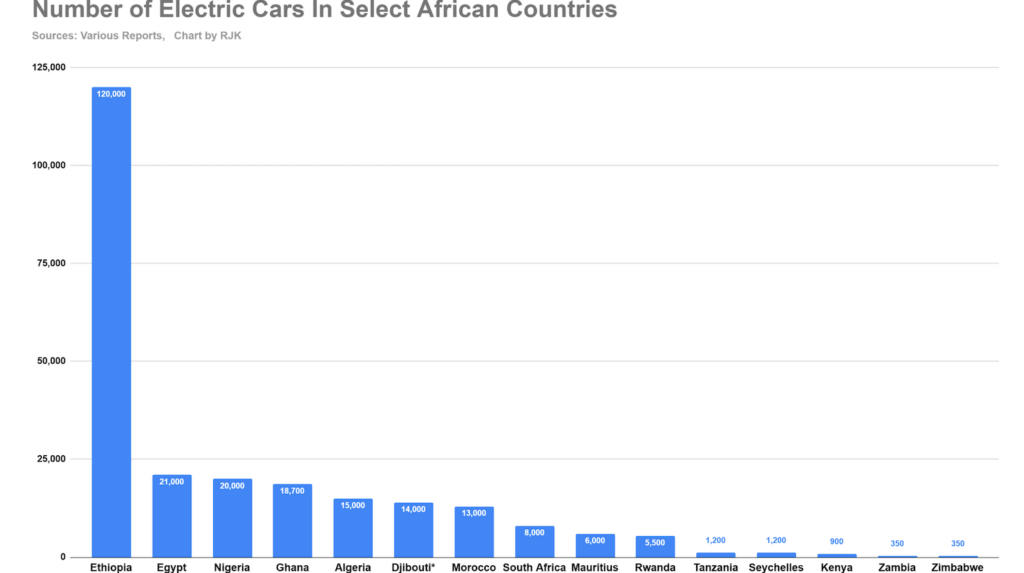
As the global shift towards electric vehicles (EVs) gains momentum, several African countries are making noteworthy strides in embracing this change. Ethiopia has emerged as a frontrunner, implementing stringent import restrictions on internal combustion engine (ICE) vehicles and offering incentives for EVs. This policy shift has catalyzed a dramatic rise in electric car imports, primarily from China, with numbers soaring from 7,000 in 2022 to an impressive 115,000 by 2025, according to Ethiopia’s Transport Ministry.
Egypt is also experiencing a rapid increase in electric car adoption, with 11,500 EVs sold in 2025. Sales are expected to double in 2026, further solidifying the country’s commitment to green transportation.
China has played a significant role in this transition, with its Commerce Ministry reporting a jump in electric car exports to Africa from just over 19,000 in 2024 to over 44,000 in 2025. These numbers are projected to rise further due to escalating fuel prices linked to Middle East conflicts.
While some countries like Rwanda have embraced progressive policies to foster EV adoption, Kenya lags behind. Despite being a hub for innovation and new technology in Africa, Kenya’s focus has primarily been on electric motorcycles, which now account for over 15% of new motorcycle sales. In contrast, the market for electric cars remains underdeveloped, with fewer than 1,000 electric cars compared to Rwanda’s 5,500.
The disparity between Kenya and other African nations can be attributed to differing governmental policies. For instance, Rwanda offers extensive fiscal incentives, including capped electricity tariffs for charging stations, duty exemptions for EVs and related equipment, and zero-rated VAT products. Non-fiscal incentives also support the EV ecosystem, such as rent-free land for charging stations and preferential treatment for government-hired EVs.
Recently, Kenya announced plans to waive import duties for 100,000 EVs, which, if implemented, could mark the largest fiscal commitment to e-mobility in the nation’s history. The Electric Mobility Association of Kenya (EMAK) advocates for a comprehensive approach, urging that this initiative should cover all vehicle types to accelerate adoption.
Despite Kenya’s large market for new and used vehicles—with 13,500 brand new and over 90,000 used vehicles sold annually—the country has five times fewer electric cars than Rwanda and a hundred times fewer than Ethiopia. The need for policy alignment and robust incentives remains a critical factor for Kenya to keep pace with the electric vehicle revolution sweeping the continent.
Original Story at cleantechnica.com