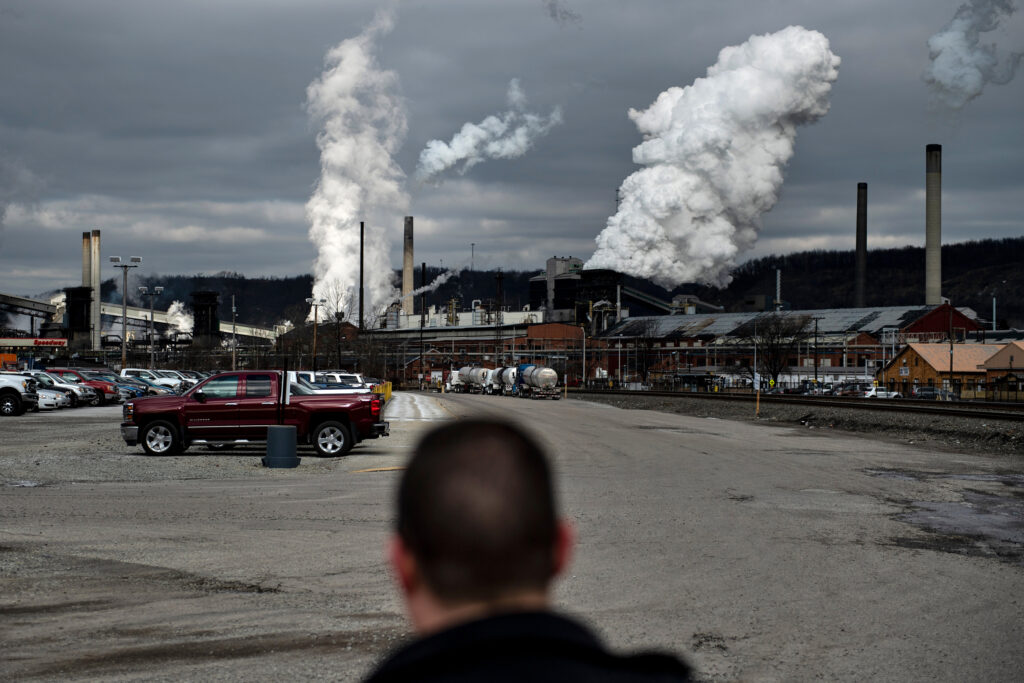
The U.S. Environmental Protection Agency (EPA) initially planned to delay steel companies’ requirement to monitor air quality at the perimeters of 11 coke plants nationwide by two years. Public health advocates opposed the delay, leading two groups to sue the EPA.
The EPA has since reversed its decision. The Biden administration had set the original deadline for fenceline monitoring of benzene, chromium, and other toxic emissions for July 2025. However, the Trump administration extended this deadline to July 2027, citing insufficient time to gather and respond to public comments, which could force some companies into non-compliance.
On Friday, the EPA announced in a notice that it was withdrawing the delay, asserting that the policy would not create compliance issues for the industry. “EPA does not believe that the currently available information supports a conclusion that regulated parties would face significant immediate compliance challenges,” the agency stated after the Environmental Integrity Project and Earthjustice filed lawsuits.
The lawsuit argued that the rule deprived nearby communities of protection from toxic air pollution. The environmental groups claimed that the EPA’s findings indicated that coke ovens could comply with the rule, meaning the delay was unnecessary. Adrienne Lee, a senior attorney with Earthjustice, remarked, “We’re glad that EPA recognizes the harm coke oven plants cause to communities and that it is more than reasonable for these facilities to meet emissions standards now.”
An August report from the Environmental Integrity Project highlighted initial testing required by the Biden administration. The testing revealed that benzene emissions from U.S. Steel’s Clairton Coke Works were up to eight times higher than a California standard. At the Gary, Indiana plant, chromium emissions were twice the California benchmark.
Additionally, an explosion at the Clairton plant in August resulted in two deaths and ten injuries. The facility has been fined over $10 million by the EPA for environmental violations in the past three years, the highest among 20 surveyed plants.
U.S. Steel criticized the EPA’s decision to withdraw the compliance deadline, stating, “U.S. Steel is committed to working with the EPA and supports regulations grounded in law, based on sound science, available and proven technology, and that consider costs and other non-air quality impacts. Unfortunately, the 2024 coke rules do not meet these criteria, and we are evaluating next steps.”
Original Story at insideclimatenews.org