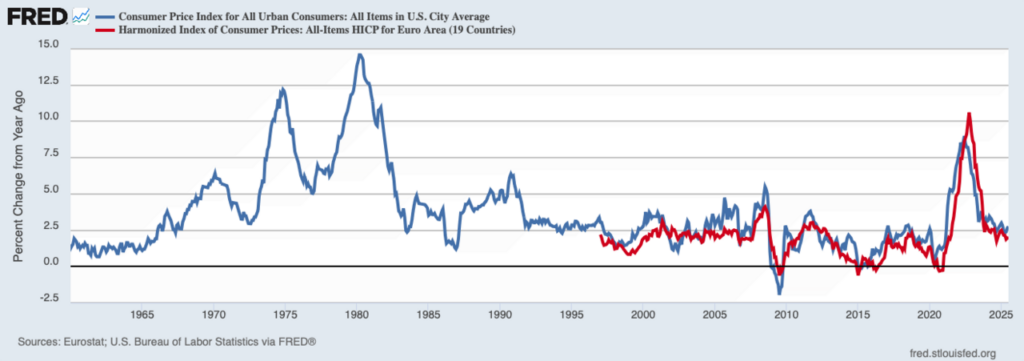
When the cost of everyday life rises sharply, it doesn’t just strain household budgets — it shapes how Americans engage with their democracy. A new inflation report showing a 3.7% surge, driven largely by spikes in energy prices, is landing in the middle of a midterm election season already defined by economic anxiety and questions about who voters hold responsible.
The inflation figure, reported by Virginia Mercury, reflects pressures that economists and voters alike have been watching closely throughout 2026. Energy costs — gasoline, home heating, electricity — have climbed faster than most other categories, pulling the overall inflation rate upward and squeezing the finances of working families across the country.
For many voters, that economic squeeze is not just a kitchen-table issue — it’s a political one. Reporting from the midterm election trail shows that voters are increasingly pointing to Trump’s tariffs as a culprit for rising costs, connecting federal trade policy directly to the prices they pay at the pump and on their utility bills.
Inflation at the Ballot Box
Economic conditions have long been one of the most reliable predictors of voter behavior. When prices rise — especially for necessities like energy and water — public frustration tends to translate into electoral consequences. The 3.7% inflation rate reported in October 2026 arrives just weeks before midterm elections, giving voters a sharp data point to weigh as they decide which candidates and parties to hold accountable.
Cost-of-living pressures don’t affect all voters equally, and that inequality has real implications for civic participation. Lower-income households, which spend a higher share of their budgets on energy and utilities, often face the greatest financial strain when prices spike. That strain — covering higher electricity bills, filling gas tanks, managing rising water costs — can crowd out the time, transportation, and resources that make it easier to participate in elections.
Water bills, meanwhile, have been rising even faster than groceries and overall inflation, according to a separate report tracking Americans’ utility costs. That finding underscores that the inflationary pressure hitting families in 2026 is broad-based — not limited to gasoline or groceries, but spreading into the basic infrastructure costs of daily life.
Policy, Accountability, and Public Trust
In a healthy democracy, economic conditions are one of the primary ways voters hold their elected officials accountable. The ability to make that judgment — and to act on it at the ballot box — depends on voters having access to accurate information, a functioning election system, and the opportunity to participate without undue burden.
That backdrop makes the current political climate particularly significant. Congress has been debating responses to both inflation and the international tensions that have contributed to energy price volatility. A recent Senate vote on an Iran war resolution fell short, even as Democrats gained four Republican votes — a sign that the geopolitical factors driving energy prices remain deeply contested in Washington.
For voters trying to make sense of why energy prices have surged, the policy picture is genuinely complicated. Global oil markets, trade tariffs, international conflict, and domestic energy production decisions all play a role. What is clear is that the 3.7% inflation rate represents a real and measurable impact on American households — and that voters are paying attention.
Virginia voters looking to weigh in this election season can register to vote, find their polling place, or look up who represents them in the General Assembly. Understanding the economic decisions made by elected officials — and having the opportunity to respond at the polls — is one of the most direct ways citizens can exercise their voice on issues like energy prices and the cost of living.
The full details of the inflation report were published by Virginia Mercury and are available under the outlet’s republishing guidelines. Reporting by Tim Henderson, who covers demographics for Stateline, contributed to the underlying data and context used in this story.