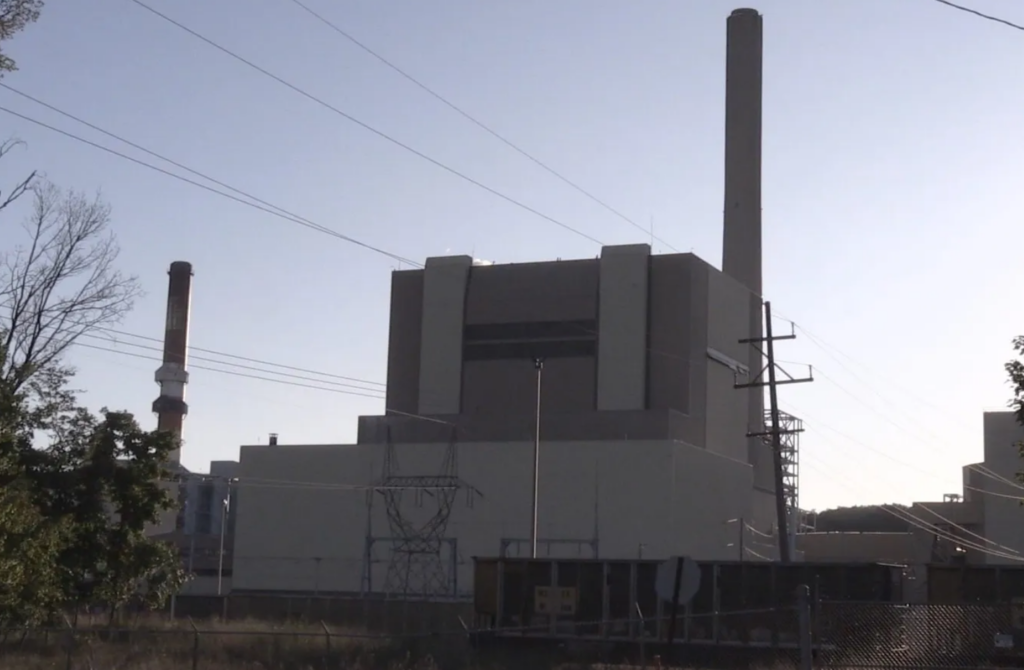
Ongoing Operation of J.H. Campbell Plant Amidst Legal and Environmental Disputes
The J.H. Campbell coal-fired plant in Port Sheldon Township remains operational under a seventh consecutive 90-day emergency order from the U.S. Department of Energy (DOE), despite a federal appeals court ruling against the original directive. This decision underscores the complex interplay between energy policy, legal challenges, and environmental concerns.
The DOE’s recent directive, effective from November 15 through February 12, 2027, mandates the Midcontinent Independent System Operator (MISO) and Consumers Energy to ensure the plant’s readiness for emergency grid demands. This order aims to prevent winter blackouts while managing costs through economic dispatch. Operating since 1962, the J.H. Campbell plant was initially slated for closure by May 31, 2025, under a clean energy transition plan that promised ratepayer savings of approximately $600 million by 2040.
Federal intervention just days before the planned shutdown initiated a series of mandates that have resulted in significant financial implications. The continued operation of the aging facility has incurred daily costs ranging from $640,000 to $1 million, culminating in additional expenses between $259 million and $295 million by September 2026, as reflected in federal court filings.
U.S. Energy Secretary Chris Wright emphasized the necessity of maintaining coal generation to avert power outages, asserting, “President Trump and the Energy Department remain committed to doing everything in our power to stop power outages for American families and businesses.”
Local Dynamics and Environmental Advocacy
Locally, the plant’s future has been a contentious issue, with debates taking place within the Ottawa County Board of Commissioners. Earlier in 2025, far-right commissioners proposed legal action to prevent the plant’s closure, reflecting a divide between community members concerned about environmental impacts and those prioritizing grid reliability. Despite rejecting a lawsuit, the board passed a resolution urging a review of grid conditions.
Public demonstrations have highlighted environmental concerns, with rallies organized by groups like the Michigan League of Conservation Voters and the Sierra Club Michigan Chapter. Participants, including state Rep. Stephen Wooden, criticized the plant’s continued operation due to health risks associated with emissions.
Legal and Regulatory Challenges
The DOE’s actions have faced legal hurdles, notably a unanimous ruling by the U.S. Court of Appeals for the D.C. Circuit that the DOE exceeded its authority. The court argued that the agency’s emergency powers under Section 202(c) of the Federal Power Act should be invoked only under immediate threats to electricity supply, not for ongoing resource planning issues.
Despite the ruling, the DOE has petitioned for a rehearing and continues to enforce its emergency authority. Critics argue that these orders unlawfully override state planning and contribute to environmental degradation along Lake Michigan.
Utility and Ratepayer Impact
Consumers Energy, which did not request the emergency orders, has sought to distribute the financial burden across MISO’s 15-state grid. The utility reported over $135 million in net excess operational costs, which are ultimately borne by ratepayers. Consumers Energy has pledged to follow the law while ensuring fair cost distribution.
As the situation continues, the decommissioning and site remediation process is expected to take about five years once federal mandates conclude.
Original Story at michiganadvance.com