The Challenges and Opportunities in Transitioning to Electric Vehicles in the UK
As the UK continues its journey toward a greener future, the transition to electric vehicles (EVs) remains a critical topic. Despite the apparent progress, there are significant hurdles that need to be addressed to make this shift equitable and effective.
Lack of Infrastructure
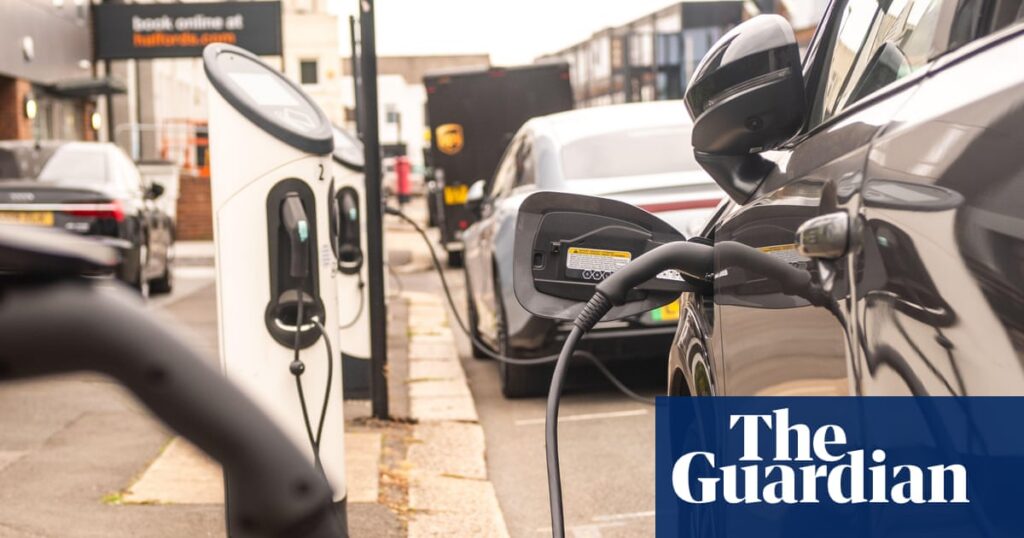
One of the main obstacles to widespread EV adoption in the UK is the lack of accessible charging infrastructure. It is estimated that 40% of UK households lack off-street parking, a figure that rises to approximately 60% in urban areas. This makes economical home charging an unattainable dream for many residents. Although the government has lifted the requirement for planning permission for cross-pavement charging channels, more than 20 councils still oppose them, leaving residents in limbo.
Lessons from China
While the UK struggles with a fragmented approach, China’s cohesive strategy has set a benchmark. By combining purchase-tax exemptions, license-plate privileges, and discounts on parking and charging, China has effectively incentivized EV adoption. The UK could benefit from a similar unified strategy, including cheaper parking and VAT-free public charging for EVs, along with higher charges for the most polluting vehicles.
Consumer Hesitancy
Despite the availability of over 180 electric vehicle models, consumer adoption remains hesitant. Less than 30% of new car buyers in the UK are expected to opt for a pure electric car this year. Reasons for this include the high initial costs and the current inadequacies in charging infrastructure. As Mike Hawes, Chief Executive of the Society of Motor Manufacturers and Traders, points out, “Rather than western carmakers not being ready, perhaps it’s the consumer?”
Environmental Considerations
The urgency of the climate crisis demands that zero-emission vehicle targets remain firm. The debate over relaxing these targets risks sending the wrong signal at a time when climate action needs acceleration. The UK’s largest source of greenhouse gas emissions is transport, and electrifying cars and vans is crucial for reducing these emissions.
Social Equity
As George Monbiot suggests, those on limited incomes face additional challenges in transitioning to EVs. High costs and inadequate public transport options further complicate matters for these individuals. Anne Maclennan from Cuguen, France, highlights the struggles faced by rural residents, where public transport is sparse and impractical for daily needs.
In conclusion, while the transition to electric vehicles is essential for a sustainable future, it requires a concerted effort from both government and industry to address the current challenges and make EVs accessible to all segments of society.
Original Story at www.theguardian.com