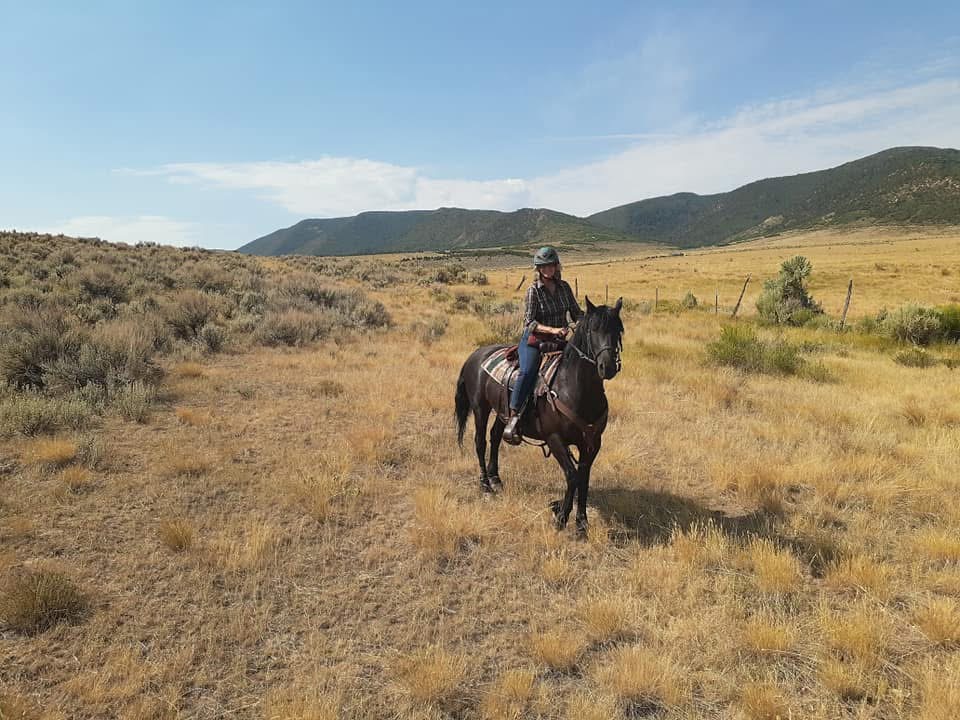
In the heart of Rio Blanco County, Kathleen Sullivan Kelley faces a harsh reality. Every three days, she makes a trip to Meeker to fill a 500-gallon tank for her ranch, a necessity after her horses lost access to the ponds they once drank from. The Kelleys, who have already sold off their cattle, fear that the worsening drought could sever their access to city water entirely.
The challenges of climate change are not new to the Kelleys. Just a year ago, the Lee Fire ravaged their land, sparing their concrete home but leveling trees, fences, and multiple structures, remnants of a historical homesteading community. “Our (weather) conditions have changed so much during my lifetime,” Kelley remarked, highlighting how fire season now dominates three-quarters of the year and the constant need for fire mitigation.
Legal Battles Reach the Supreme Court
In response to these challenges, Kelley and six other ranchers have thrown their support behind a lawsuit initiated by the city of Boulder and Boulder County against Suncor Energy and Exxon Mobil. The lawsuit demands compensation for the damages caused by climate change, from wildfires to infrastructure repair, without aiming to regulate emissions.
This legal action, represented by EarthRights International, has reached the U.S. Supreme Court. The pivotal question is whether state law claims can seek relief for injuries attributed to greenhouse gas emissions and if federal law precludes such claims. Boulder Mayor Aaron Brockett stated, “Proposed federal efforts attempt to shield fossil fuel companies from accountability, leaving local communities and taxpayers to shoulder the financial burden alone. That is a dangerous precedent.”
Ranchers Advocate for Accountability
Deirdre Macnab, a fellow rancher from Rio Blanco County, learned of the case through a local article and was dismayed by the county’s financial support for the fossil fuel companies. In response, she rallied other ranchers to support Boulder’s cause, emphasizing that they seek accountability, not new regulations. “It’s the responsibility of fossil fuel companies to support these impacted communities,” Macnab asserted.
Ranchers like Kathryn Bedell, who practices regenerative agriculture, face dire consequences from the changing climate. Bedell may have to sell her herd due to dry pastures, a sentiment echoed by Jay Fetcher near Steamboat Springs, who experienced early snowmelt and unprecedented heat. Their support, along with other ranchers, is bolstered by pro bono legal aid from Richman Law and Policy.
Colorado Counties and Support for Fossil Fuel Companies
Some counties, benefiting from oil and gas revenue, back Suncor and Exxon. Mesa County Commissioner Cody Davis warned that Boulder’s lawsuit might drive companies out of Colorado, citing economic dependencies. Mesa County alone contributed $15,000 to support the companies’ legal defense.
The Role of the Colorado Attorney General
Colorado Attorney General Phil Weiser, alongside a coalition of attorneys general, filed a brief defending the right of state courts to assess the case. “It would be an overreach and improper for the Supreme Court to prevent Colorado courts from considering the merits of this litigation,” Weiser stated in a statement.
While acknowledging the historical role of fossil fuels, Macnab stressed the need for a sustainable future. “It’s important that people understand we have to protect our food production, and food producers, and local agriculture,” she said, emphasizing the stakes for both livelihoods and food security.
Original Story at coloradonewsline.com