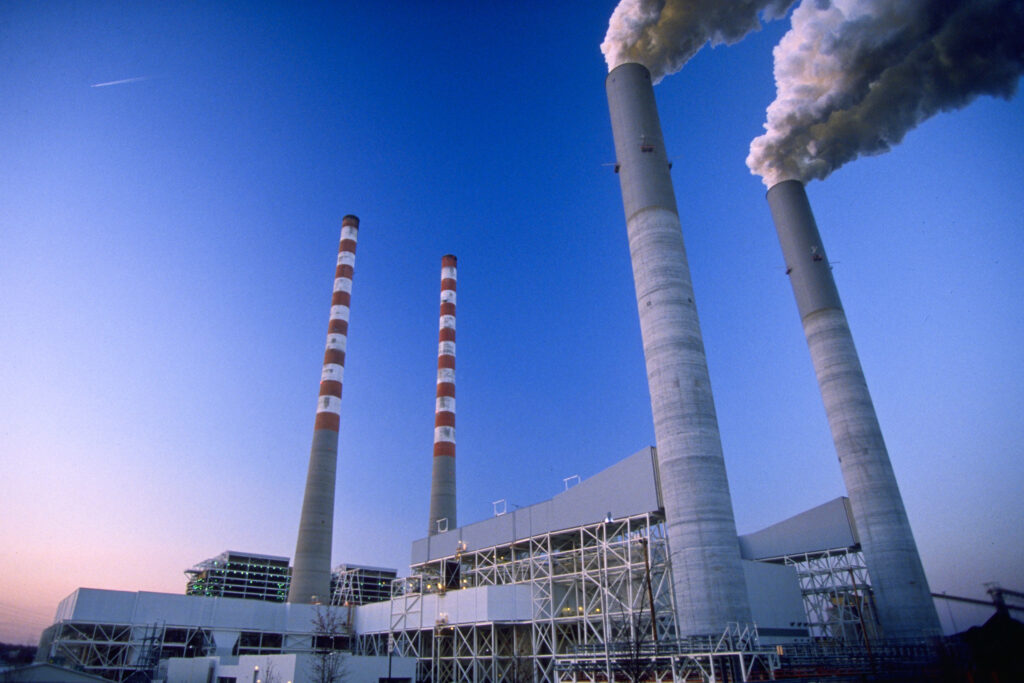
In 2023, the Cumberland Fossil Plant in Tennessee faced closure after years of pollution, equipment failures, and health concerns. This coal-fired plant was part of a multibillion-dollar settlement in 2011 due to the Tennessee Valley Authority’s (TVA) failure to install pollution control technology. Regulators cited it for air-pollution violations in 2017 and 2023.
TVA announced plans to shut down Cumberland’s units by 2026 and 2028, but the Trump administration replaced four TVA board members, prompting a reversal. TVA secured $46 million in federal funding to extend Cumberland’s operation, aligning with Trump’s push to preserve older coal plants. This decision is part of a larger initiative to keep aging coal operations active, despite their environmental violations.
Cumberland is among three plants receiving Department of Energy grants despite repeated Clean Air and Water Acts violations. The others include Oklahoma’s Grand River Energy Center and North Carolina’s Roxboro Steam Electric Plant, both cited for releasing wastewater with excess pollutants.
Local organizer Angie Mummaw, who lives near Cumberland, said the grant was “a slap in the face,” emphasizing the need for investing in clean energy. Maggie Shober, Southern Alliance for Clean Energy’s research director, warned that continuing coal operations could exacerbate climate change.
Multiple studies have linked coal-plant pollution to early deaths, with impacts reaching far beyond plant locations. A study estimates that Cumberland’s toxic fine particles caused 1,000 deaths in areas as distant as New York and Massachusetts between 1999 and 2020.
The Trump administration relaxed environmental regulations, leading to potential long-term public health effects. An Energy Department spokesperson stated the investments aim to ensure power supply reliability and grid resilience, especially during high demand or severe weather events.
Courtney Bernhardt, from the Environmental Integrity Project, noted that funding plants with poor compliance records aligns with Trump’s second-term policies. Bernhardt expressed concern that the administration overlooks compliance issues and weakens permitting requirements.
Repeated Violations
TVA spokesman Scott Fiedler cited “increasing power demand” and regulatory changes as reasons for not closing Cumberland. He emphasized TVA’s commitment to reliable, affordable, and resilient energy. However, the Southern Environmental Law Center criticized the decision, noting a lack of public input on the change.
Repeated violations at coal plants like Cumberland, Roxboro, and Grand River suggest systemic issues. Environmental history professor Christopher Sellers highlighted ongoing health risks at these plants, noting unresolved compliance problems.
In April, Oklahoma fined the Grand River plant operator $8,100 for not testing particulate matter, despite the $76.5 million project funded partly by a $28.5 million federal grant. The Grand River Dam Authority acknowledged the grant’s role in modernizing the facility but did not address the violations. Sellers noted that such infractions indicate deeper issues with the plants.
Roxboro received $28.4 million for a $72.7 million project. Duke Energy, Roxboro’s operator, received multiple violation notices in the past decade for reporting issues and exceeding wastewater limits. A 2019 settlement required Duke Energy to excavate coal ash after groundwater contamination. Despite assurances, Roxboro had an outstanding violation for unreported wastewater discharges, according to a federal compliance dashboard.
Most wastewater infractions at Roxboro were minor, but violations for unreported discharges hinder regulatory oversight, noted Hope Taylor, Clean Water for North Carolina’s executive director. Taylor criticized the grants, fearing they prioritize profits over emission reductions.
Redefining “Cost-Effective”
Recently, the Grand River Dam Authority, which previously deemed its coal plant “uninsurable,” decided to pursue renewable energy. However, it accepted the Energy Department grant for upgrades, extending the plant’s life. Dan Sullivan, the authority’s CEO, stated that this extension was more cost-effective than new generation alternatives.
Duke Energy plans to retire Roxboro’s units by 2034 but argues that the grant supports reliability and cost management as it shifts to future projects. TVA’s earlier plans to phase out the 50-year-old Cumberland plant cited environmental and economic risks, but the utility reversed course following the Trump administration’s board changes.
Tom Rice, TVA’s chief financial officer, praised “clean coal” in a board meeting, aligning with Trump’s energy stance. Some, like Shober from the Southern Alliance for Clean Energy, criticized the move as prioritizing political interests over environmental and public health.
Internal documents reviewed by Inside Climate News indicated that maintaining the Cumberland plant to current standards requires a $738 million investment, significantly more than the federal grant announcement. Southern Environmental Law Center’s Delaney King expressed concerns about the financial burden on TVA customers.
Environmental historian Sellers warned of long-term consequences, stating the administration’s actions could exacerbate pollution issues, with neighboring communities facing the most severe impacts.
Original Story at insideclimatenews.org