The survival of plant species under the duress of climate change may hinge less on their mobility and more on the availability of suitable habitats. A recent ecological study conducted by the University of California, Davis, underscores the pressing issue of habitat loss, projecting that a significant portion of global plant species may face extinction by the end of the century.
The research, detailed in the journal Science, suggests that between 7% and 16% of the planet’s plant species could lose over 90% of their suitable habitat by 2100. The study attributes this alarming trend primarily to the impacts of climate change, rather than the plants’ ability to relocate to new areas.
Lead researcher Xiaoli Dong, an associate professor at UC Davis, emphasizes the critical role of habitat preservation. “We found that what causes extinction is not that plants aren’t moving fast enough,” Dong states. “It is that a large amount of suitable habitat by the end of the century is going to be gone. If our priority is reducing the extinction rate of plant species, aggressively cutting our emissions will be much more important than other actions.”
Insights into Species Movement
The study drew on a comprehensive database of nearly 68,000 plant species, representing 18% of global flora, to project future distributions and assess extinction risks. This analysis offers a nuanced understanding of the factors driving plant extinctions, highlighting habitat loss over the speed of range shifts as the primary threat under current climate scenarios.
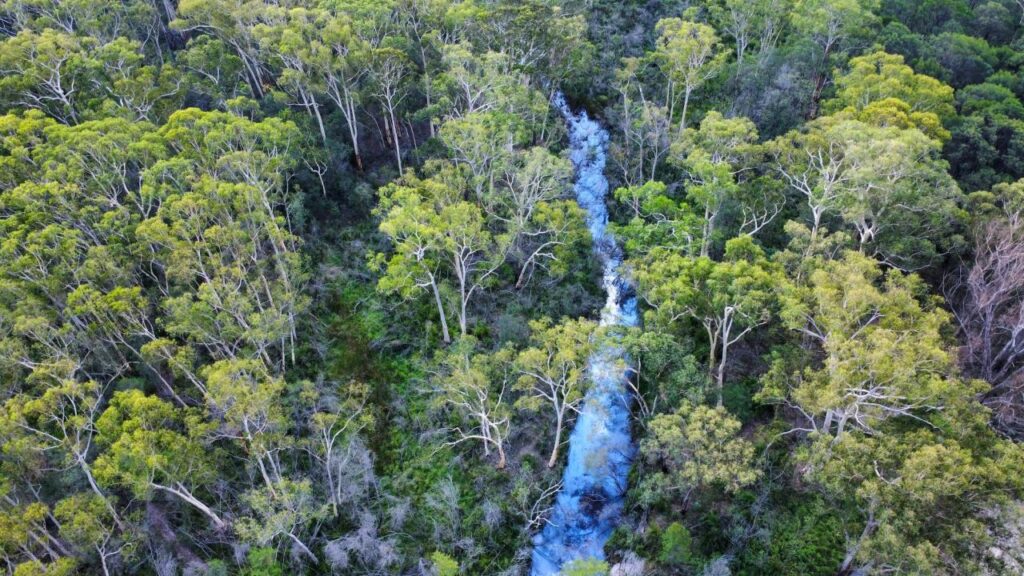
Regions such as southern Europe, the western United States, and southern Australia are expected to experience high extinction rates, affecting both ancient and economically significant plant species. For example, the spikemoss in California and eucalyptus in Australia face existential threats, impacting biodiversity and local industries.
Shifts in Biodiversity
Despite these challenges, the study also identifies potential increases in local species richness in certain areas. Approximately 28% of the Earth’s surface could see a rise in plant diversity as species migrate in response to climate changes. “Areas likely to gain species richness are mostly in wet regions or those projected to become wetter such as the eastern United States, India, Southeast Asia and southern South America,” explains first author Junna Wang, now a postdoctoral researcher at Yale University.
Conversely, regions like the western United States, Europe, and Australia might lose biodiversity as plant habitats diminish.
Adapting Conservation Strategies
This global reorganization of plant species necessitates a reevaluation of conservation approaches. “Things are going to change, and we have to adapt,” Dong notes. “Some of these species will be meeting together for the first time. We will see novel interactions. The outcome of that is hard to predict. Things will be different from what we remember 40 to 50 years ago.”
The study underscores the importance of seed banks, botanical gardens, and climate refugia in preserving the genetic, medicinal, and cultural value of endangered plant species. These efforts, coupled with ecosystem stewardship, are vital for providing habitats for migrating species.
This research received funding from the National Science Foundation and includes contributions from Brunno Oliveira, Frances Moore, Daniel Kozar, and Yongshuo Fu, alongside UC Davis and international collaborators.
Original Story at www.ucdavis.edu